A missing bicycle connection becomes a ribbon over the harbour.
A bicycle route should not unravel at the last awkward connection. Copenhagen’s Cykelslangen carries riders above the waterfront on a continuous curve—and the city’s figures show it became an everyday route.
 DK Denmark
In practice. A built 230-metre cycle bridge. Copenhagen’s 2022 bicycle account records approximately 17,700 cyclists per day.
What to keep in view
The cited daily use is a 2022 count, not a live counter. A dedicated bridge is not automatically the right investment where surrounding routes or demand are different.
Follow the curve
Designed by Dissing+Weitling, the 230-metre cycle bridge connects Dybbølsbro with Bryggebroen. Its elevated route negotiates the change in level while leaving space for pedestrians beneath. The architect describes the bridge as both a connection for cyclists and a way to remove the need for people below to yield to passing bikes.
The photograph makes the arrangement easy to read. Riders follow one continuous strip; the waterfront remains a different space underneath. Instead of asking everyone to negotiate the same narrow ground-level route, the design gives the movements separate paths.
A landmark with a daily workload
Copenhagen’s Bicycle Account 2022 lists 17,700 bicycle passages per day for Cykelslangen in its overview of the city’s bridges, on printed pages 22–23. It identifies the bridge as cycle-only and dates its opening to 2014. This is a figure published in that report, not a live count or a count of distinct riders.
The number adds something the award photographs cannot: evidence of substantial use. It does not tell us how many trips replaced a car journey, or isolate the bridge’s effect from the surrounding network. It does show why this small piece of infrastructure deserves to be read as part of daily transport, rather than only as a scenic destination.
Design the gap as carefully as the destination
Our reading: the valuable move is to make an ordinary connection feel deliberate. The bridge’s distinctive form serves a route that already has places to go at both ends. For another city, the transferable question is where people currently have to stop, detour or negotiate conflicting movements—and whether that gap deserves a better design.
Sources (2)
- Dissing+Weitling · Route, dimensions and separation of movements
- City of Copenhagen · Bicycle Account 2022, pp. 22–23
The bridge overview lists 17,700 bicycle passages per day. This is a published historical figure, not live traffic data.
Read next.
A commute above the water.
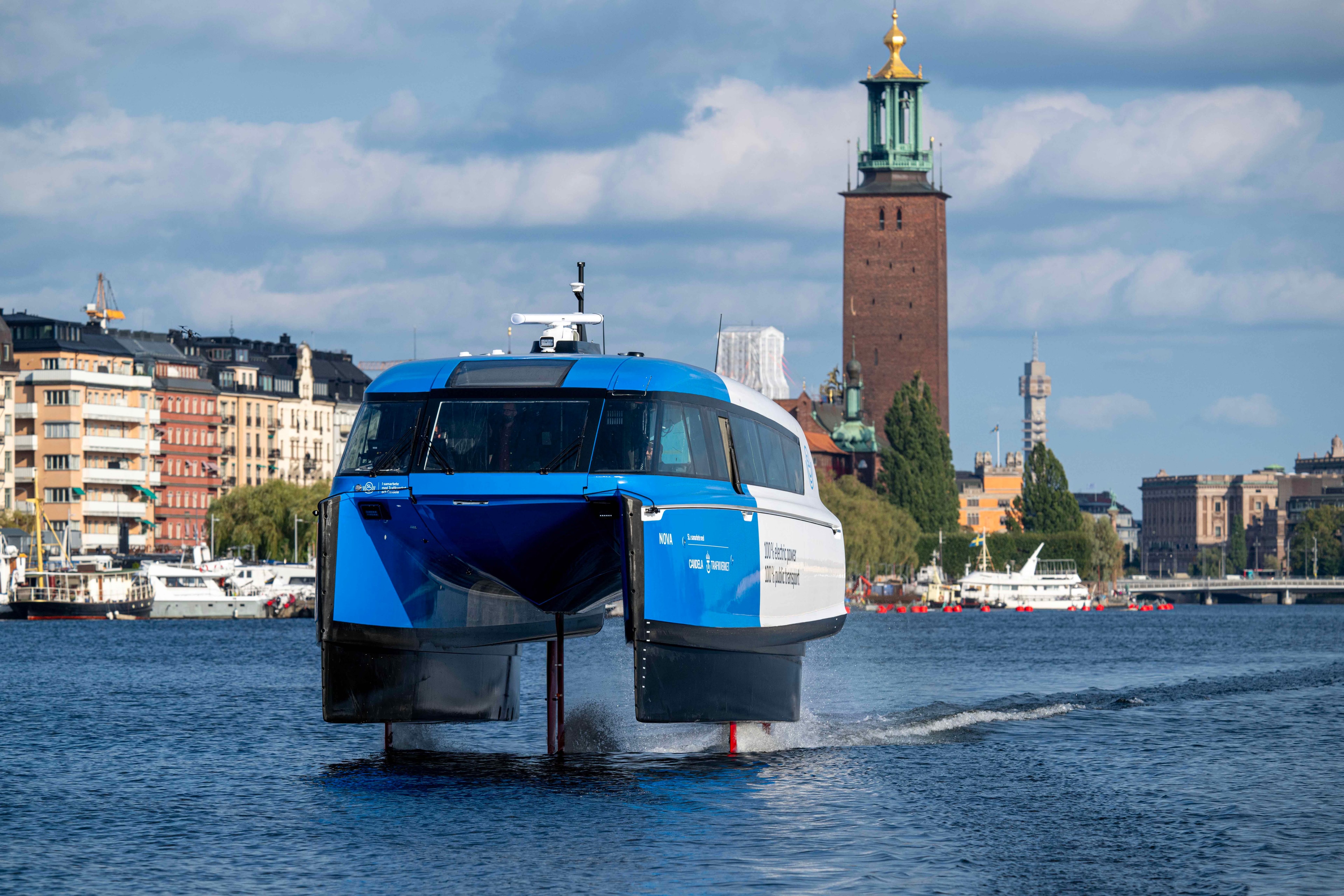
Both rethink a route around the waterfront: one separates cycling from pedestrians, the other turns water into a public transport link.
Old blades. A new crossing.
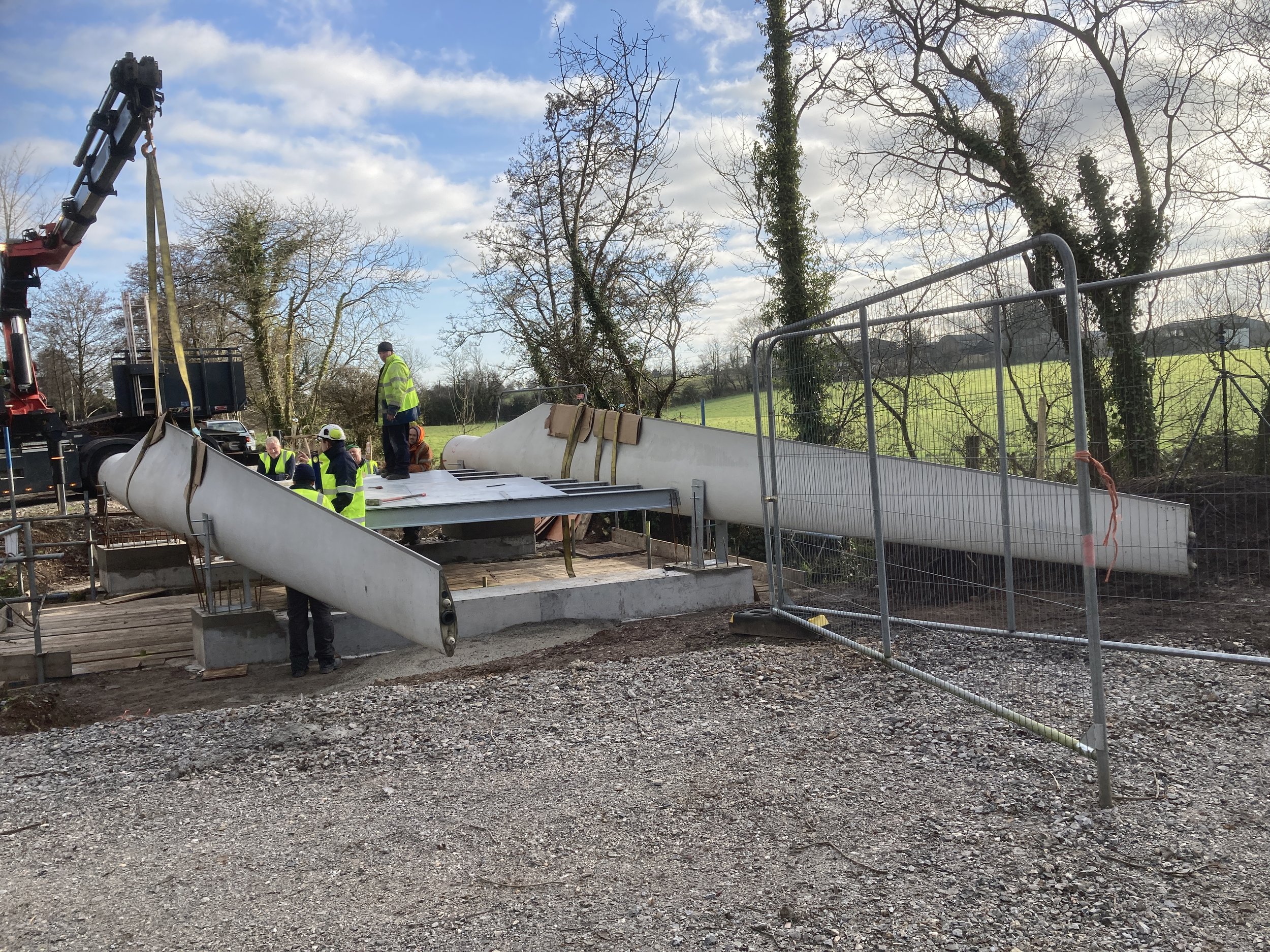
Two bridges, two design questions: improve an awkward journey, or retain the structural value of a retired component.