Could flexibility unlock wave energy?
SWEL’s Waveline Magnet follows the changing surface of the sea with a flexible chain of floating sections. Its research story is about how that movement might be captured—and what testing still needs to establish.
 CY Cyprus
In practice. A wave-energy development with tank and sea trials documented by SWEL. The cited material does not establish a continuously operating commercial power plant.
What to keep in view
Trial descriptions and projections are developer-reported. They do not establish independently verified full-scale output, survivability or levelised electricity cost.
Follow the surface rather than resist it
The Waveline Magnet spreads linked floating sections along the water surface. Instead of holding one large rigid body against a wave, the device is designed to move with the changing profile and extract energy through that interaction. SWEL presents modular construction and relatively low material mass as part of its approach.
The company’s research timeline describes several different models. It reports a 2016 deployment in Larnaca Bay that ran for three months and powered an onboard battery and lighting. Later entries describe tank work in Cyprus and tests at Centrale Nantes in September 2020. These are distinct steps in a development programme, not interchangeable examples of commercial generation.
Keep the scale of the evidence visible
Tank tests help a team compare wave conditions and refine a model. An offshore trial adds exposure to a real sea environment. Neither, on its own, proves the output, maintenance burden or lifetime economics of a much larger installation.
SWEL also publishes large-scale power and cost projections. The public sources used here come from the developer; they do not provide an independently verified commercial operating record. Keeping that distinction visible is more informative than repeating the largest projected number.
Our reading: the interesting design question is how a converter meets the wave. The next evidential question is whether that interaction remains useful, maintainable and economical at the proposed scale.
Developer-reported sea trial · 2016 trial, described in the developer’s research timeline
A three-month trial in Larnaca Bay
SWEL’s timeline describes its 2016 model powering an onboard battery and lighting during a three-month sea deployment.
What this tells us. A prototype trial is not an independently verified commercial generation record. Output and cost projections at larger scale remain separate claims.
Read next.
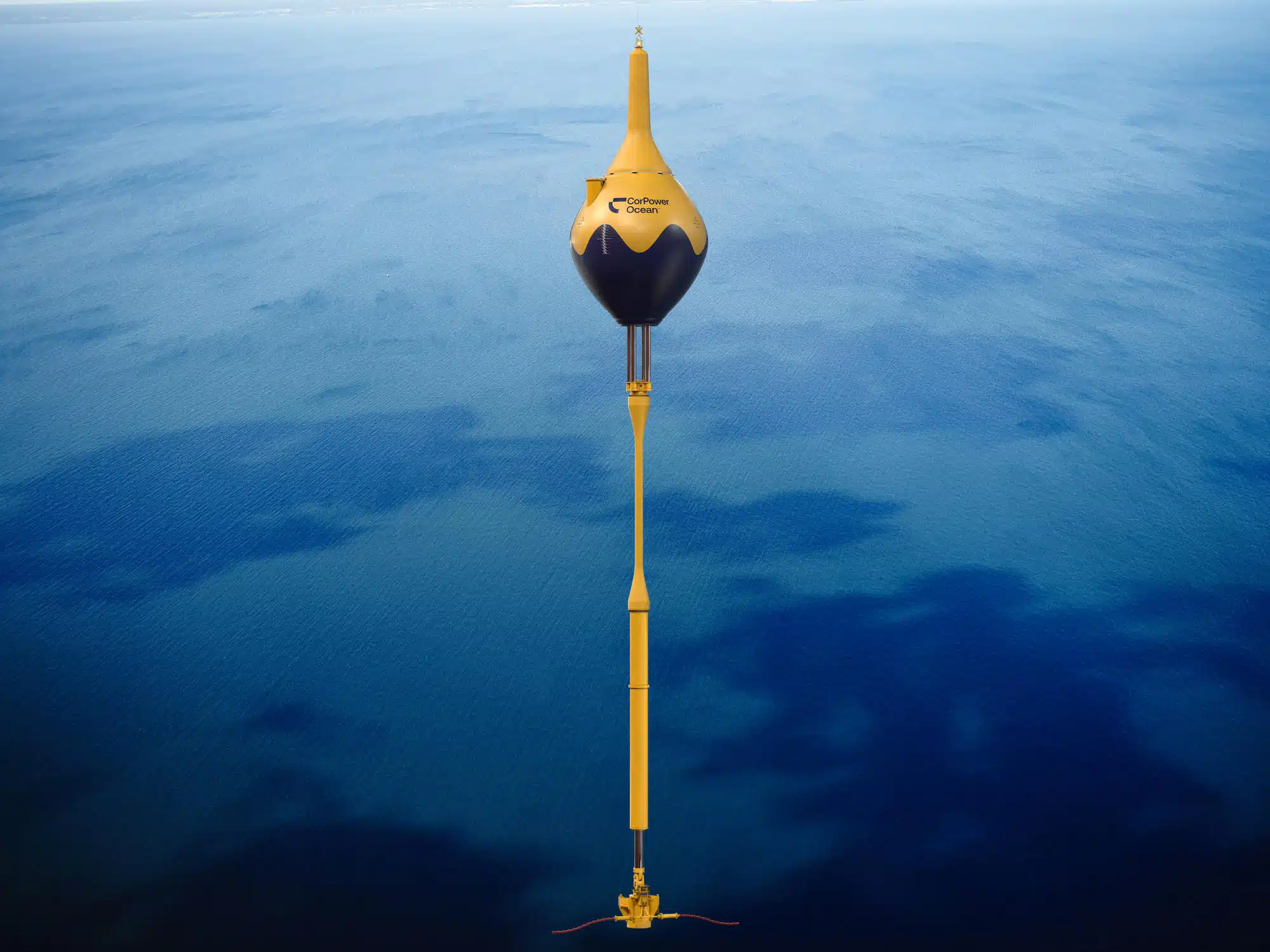
A wave machine with two responses.
Two approaches to gathering wave energy. Compare the physical mechanism, test setting and evidence without treating different trial stages as equivalent.
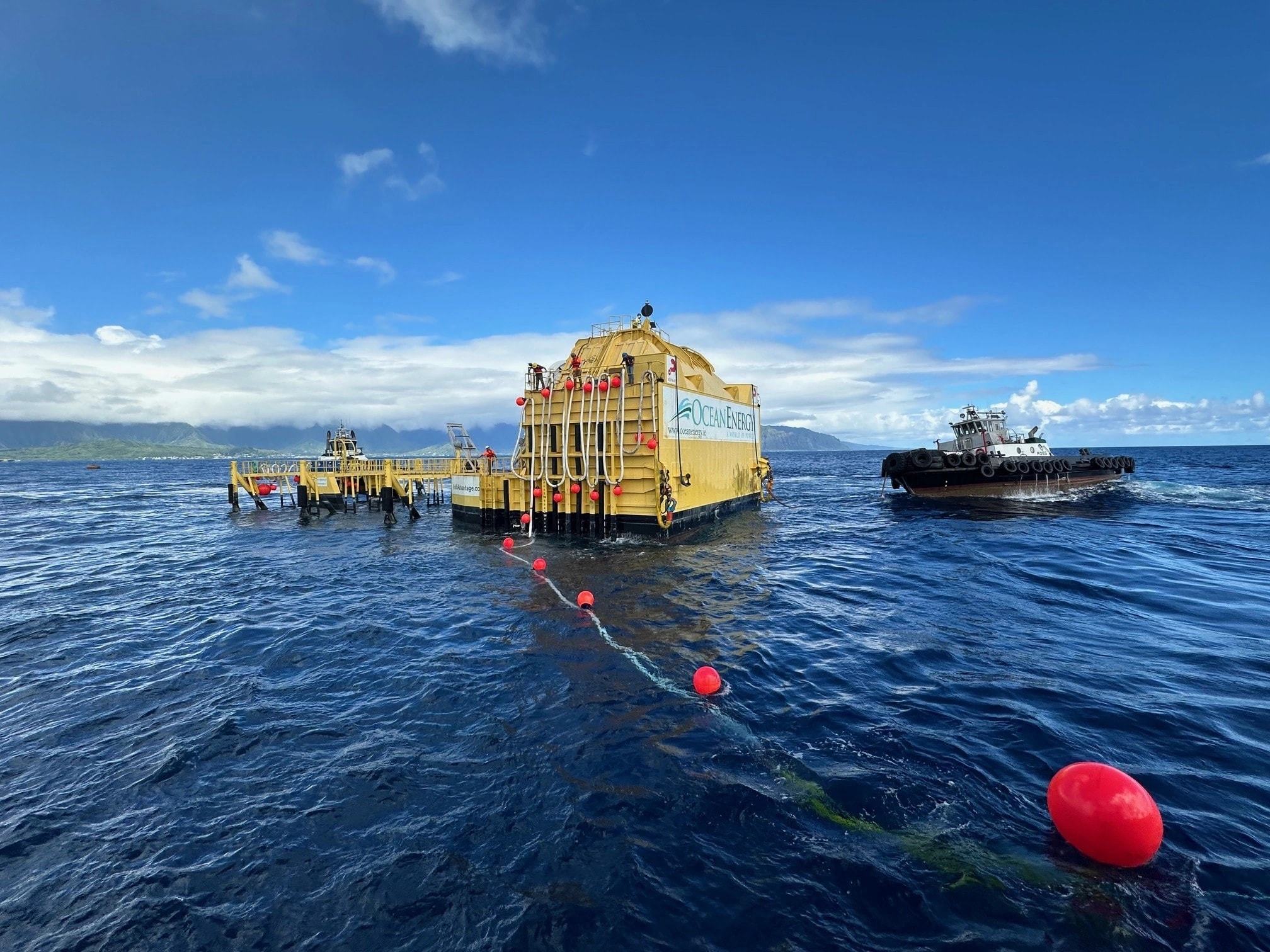
Let a moving water column push the air.
Both have been tested at sea, but one follows the water’s movement and the other drives air through a turbine. A sea trial is a step towards deployment, not proof of commercial economics.