A different way to move a city.
The ferry rises, but its wings stay underwater. Candela’s Nova pilot paired that engineering change with a practical question: could a water crossing become a better everyday commute?
 SE Sweden
In practice. Nova entered a public transport pilot in Stockholm in October 2024. This story follows the documented 2024–2025 trial.
What to keep in view
This story covers the documented 2024–2025 pilot. It does not claim that the same service is operating today. Winter conditions, capacity, charging and route economics require separate assessment.
The hull moves out of the way
A conventional fast ferry pushes its hull through the water. On the P-12, computer-controlled submerged wings lift the hull above the surface. Less hull in contact with the water means less resistance to overcome; the foils and propulsion system still work below it.
This is why the wings matter to an electric ferry. Reducing the energy needed for a journey changes what a battery-powered vessel can do. It is a different design question from simply fitting a larger battery to the same hull.
A CLOSER LOOKWhy the hull rises
Lift the hull. Reduce the resistance.
A crossing becomes a commute
Nova began its Stockholm public-transport pilot on 29 October 2024. Candela’s launch account describes a 15-kilometre trip from Tappström to City Hall taking about half an hour. The journey time depended on this route and its permission to travel faster because of the vessel’s low wake.
The documented 2024–2025 trial made the technology part of a timetable. That brings less spectacular questions into view: boarding, capacity, charging, winter conditions and the connection at either end. This account describes the pilot, not a promise that the same service is running today.
Judge the whole journey
Our reading: the opportunity is to make an existing waterway more useful, rather than build an entirely new route. But speed on the water is only one part of a passenger’s trip. A city would need to compare door-to-door time, reliability and operating costs on its own network.
A lower-resistance vessel offers a starting point for that assessment. It does not establish that every water crossing should become a ferry service, or that a successful pilot automatically becomes a permanent one.
Public-authority trial result · Autumn 2024 · reported April 2025
80% average occupancy in the autumn trial
Region Stockholm reported an average occupancy of 80% per departure for Nova during the autumn 2024 trial.
What this tells us. This describes passenger use on one pilot route. It is not a measure of energy savings or evidence of permanent service.
Read next.
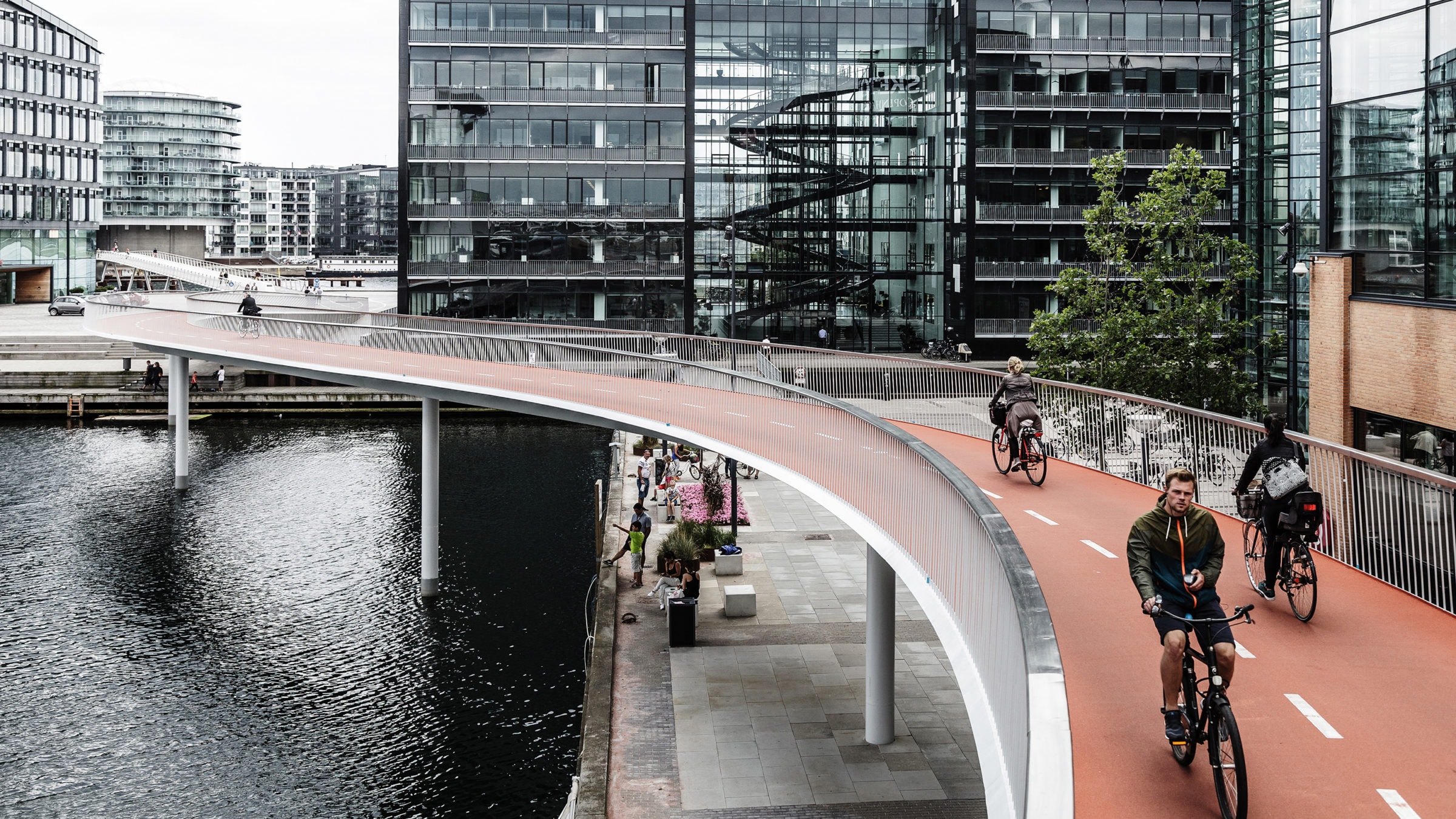
A smoother way across Copenhagen.
Both rethink a route around the waterfront: one separates cycling from pedestrians, the other turns water into a public transport link.
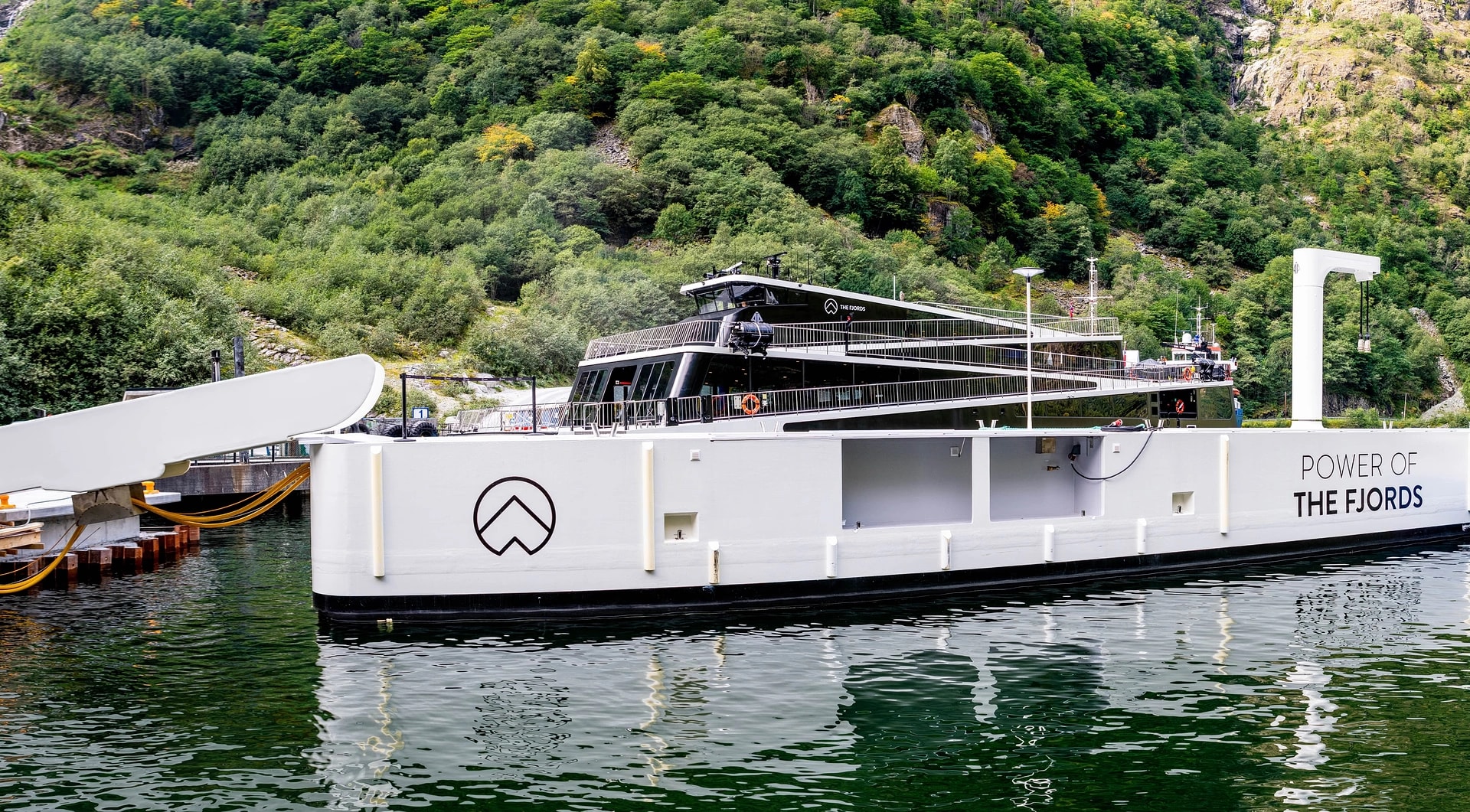
The dock becomes an energy buffer.
Both consider electric travel on water. Compare a dock that buffers charging demand with a hull system designed to reduce the energy needed in motion.