Give tree bark a route into existing moulding equipment.
Tree bark becomes an ingredient in packaging feedstock designed for familiar moulding equipment.
 RS Serbia
In practice. A developing packaging technology with a Serbian R&D and production connection; partnership and factory plans are distinct from widespread deployment.
What to keep in view
Retail partnerships and factory plans are not verified widespread deployment. Conflicting shelf-life claims are excluded. Do not say 100% bark or assume every grade is home-compostable.
A compound, not bark alone
Bpacks develops a moulding feedstock incorporating processed tree bark into a bio-based compound. Its Serbian development and production activity sits within an international business. The material is designed to enter established packaging-manufacturing equipment. Bark is one constituent, not the entirety of a finished pack. Partnership announcements and factory plans are not evidence that every proposed application is already deployed.
Bpacks combines processed bark with other bio-based constituents to make mouldable material. Its attraction is compatibility with manufacturing equipment, not bark acting alone.
Meet the factory at its existing interface
Our reading: a low-value by-product becomes interesting when it can enter an established manufacturing process. The question is not only which feedstock is used, but whether the compound can meet the application's processing and use requirements.
A new material has a clearer adoption route when it meets an existing production interface.
Sources (3)
- bpacks.eco · Bpacks
- bpacks.eco · Bpacks raises €1M for eco-friendly packaging that extends shelf life and reduces food waste - My Framer Site
- bpacks.eco · Sustainable packaging startup Bpacks unveils bioplastics from bark: ‘It’s a massively underutilized natural resource’ - My Framer Site
Read next.
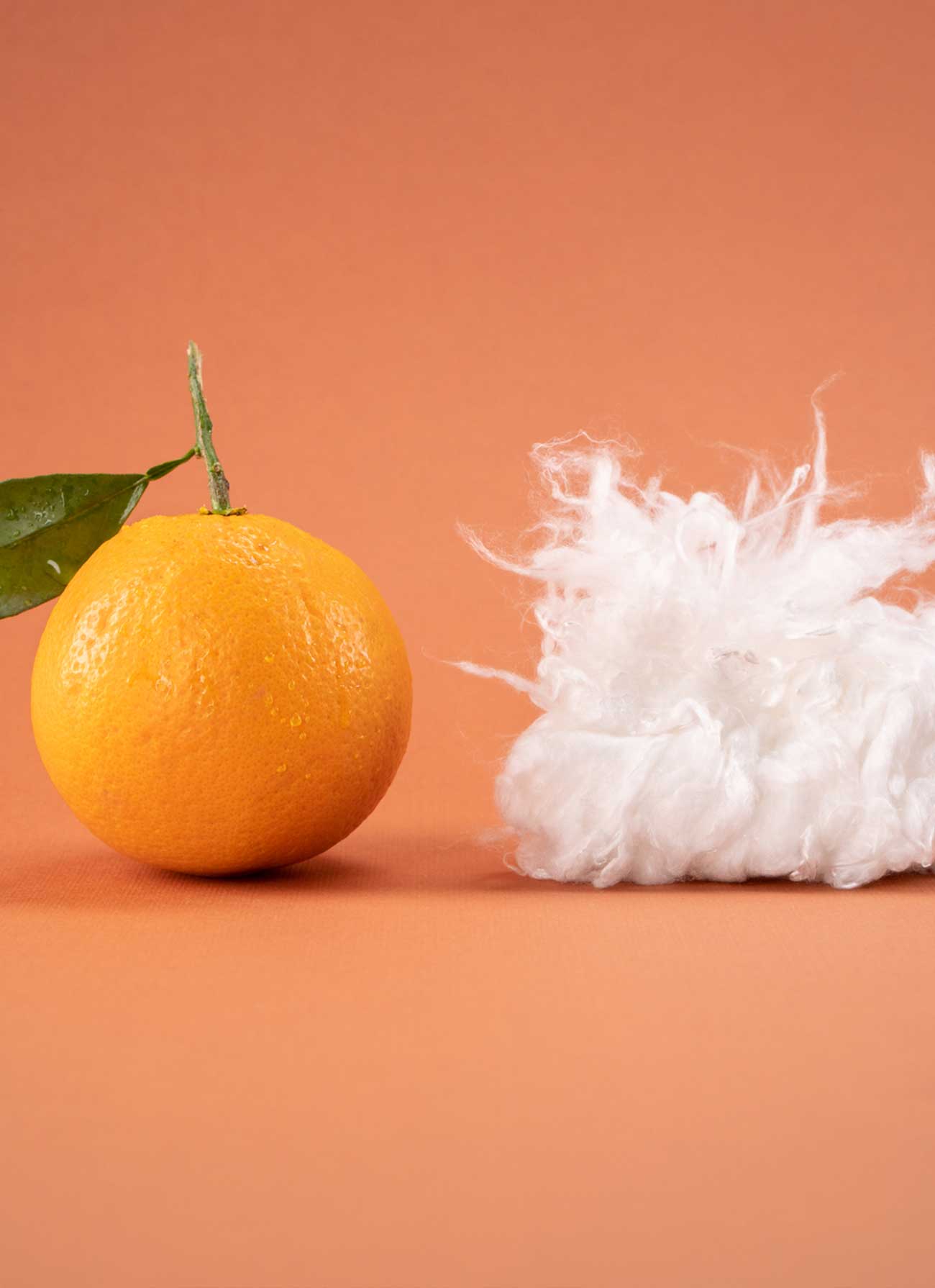
Citrus residues enter the fibre supply.
Both give a biological by-product a route into manufacturing. Processing and other ingredients are essential, so neither finished material is simply the original waste.
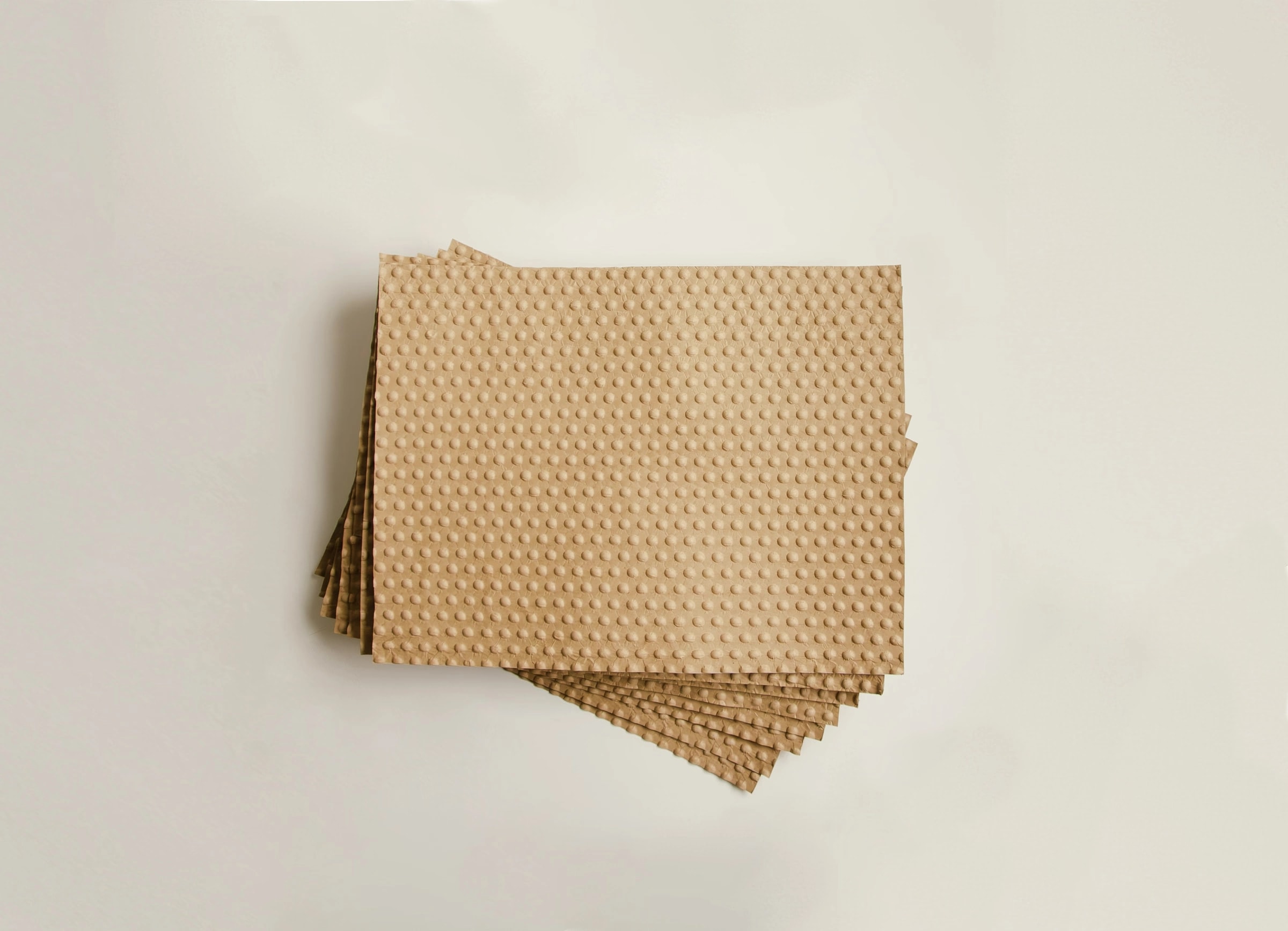
Paper cushioning shaped for the journey.
Two packaging approaches meet the factory differently: a new moulding feedstock and a new geometry for paper. The finished package must still protect its contents.