After the juice, a possible thread.
Orange Fiber looks inside a residue left by another industry. The aim is to recover cellulose from citrus by-products and turn that material into part of a textile supply chain.
 IT Italy
In practice. A documented material-development programme and 2021 collaboration. Lenzing reported 20% wood-pulp substitution at pilot scale.
What to keep in view
The cited substitution figure is a 2021 pilot result. It does not establish current commercial scale, an entirely citrus-based textile or a universal environmental advantage.
Find the fibre upstream
The Italian company developed a pulp-production process for citrus residues. In July 2021, Lenzing announced a lyocell collaboration combining orange-derived pulp with wood sources.
Lenzing’s sustainability report describes 20% substitution at pilot scale. That is a bounded process result, not a claim that a finished garment is made entirely from oranges.
Follow the material through the process
Our reading: the interesting step happens before weaving or fashion design. A different feedstock becomes usable only when it works within the requirements of fibre production.
The same Lenzing report notes the further research needed for industrial viability of alternative cellulose sources. Keeping that qualification makes the achievement more understandable.
Read next.
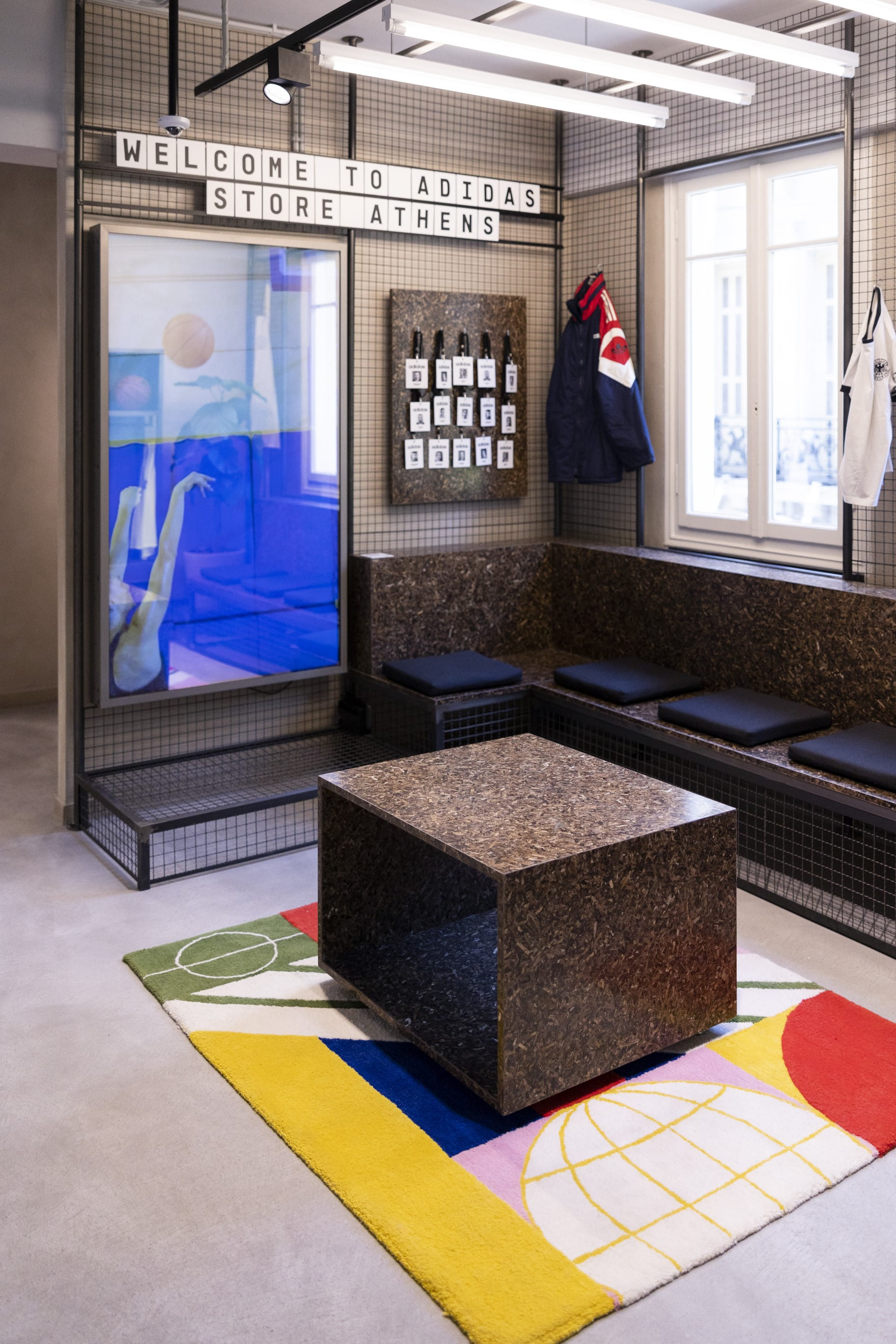
Seagrass, visible in the surface.
One keeps its feedstock visible in a rigid surface; the other extracts cellulose for fibre production. Different processes create different material possibilities.
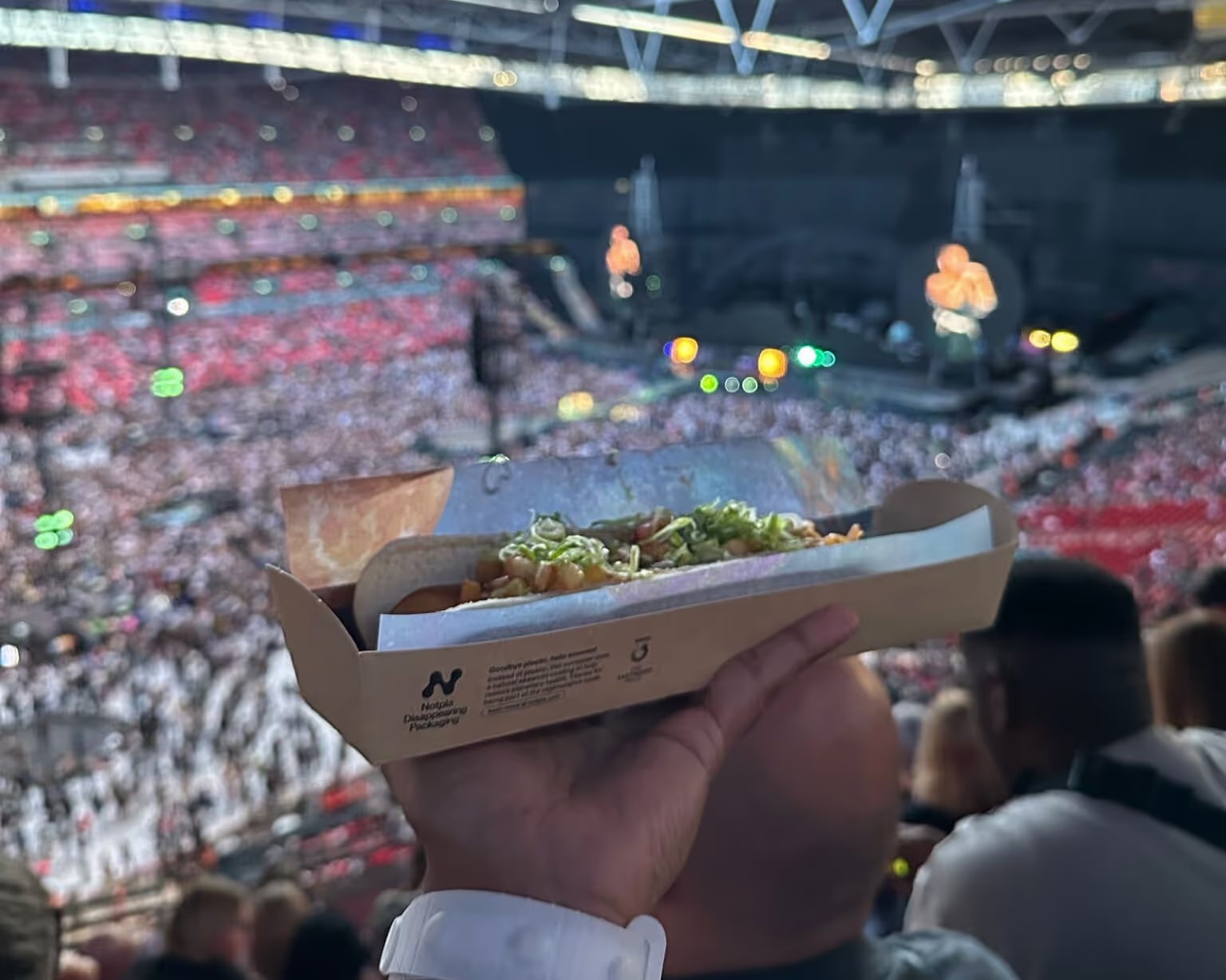
A new material. A real crowd.
Both investigate biological inputs for familiar products. The useful comparison is the processing and end use, not a blanket claim that natural means sustainable.