A factory can be part of the walk.
A factory trip need not end at a fence. At The Plus, paths, outdoor furniture and a planted roof make the surroundings part of the visit.
 NO Norway
In practice. Vestre operates The Plus furniture factory in Magnor and describes its Forest Camp as a publicly accessible outdoor area.
What to keep in view
Factory tours and indoor access require separate arrangements. Check seasonal and roof-access conditions; no factory-wide carbon or biodiversity claim is made here.
Make the edge welcoming
The outdoor programme includes walking routes, places to sit and installations in the forest. A visitor can encounter the project through a walk rather than a formal introduction to manufacturing.
The factory’s roof adds another perspective on the building and landscape. The relationship between production and public space is unusually visible: the factory does not need to disappear behind a conventional industrial perimeter.
Distinguish a walk from a factory tour
Public outdoor space and access to working production areas are different offers. That distinction lets the site welcome casual visitors while retaining the conditions a workplace needs.
The useful idea is to ask what a productive building can contribute to its surroundings in addition to the things it makes. A route, a seat or a view can make that contribution tangible.
Read next.
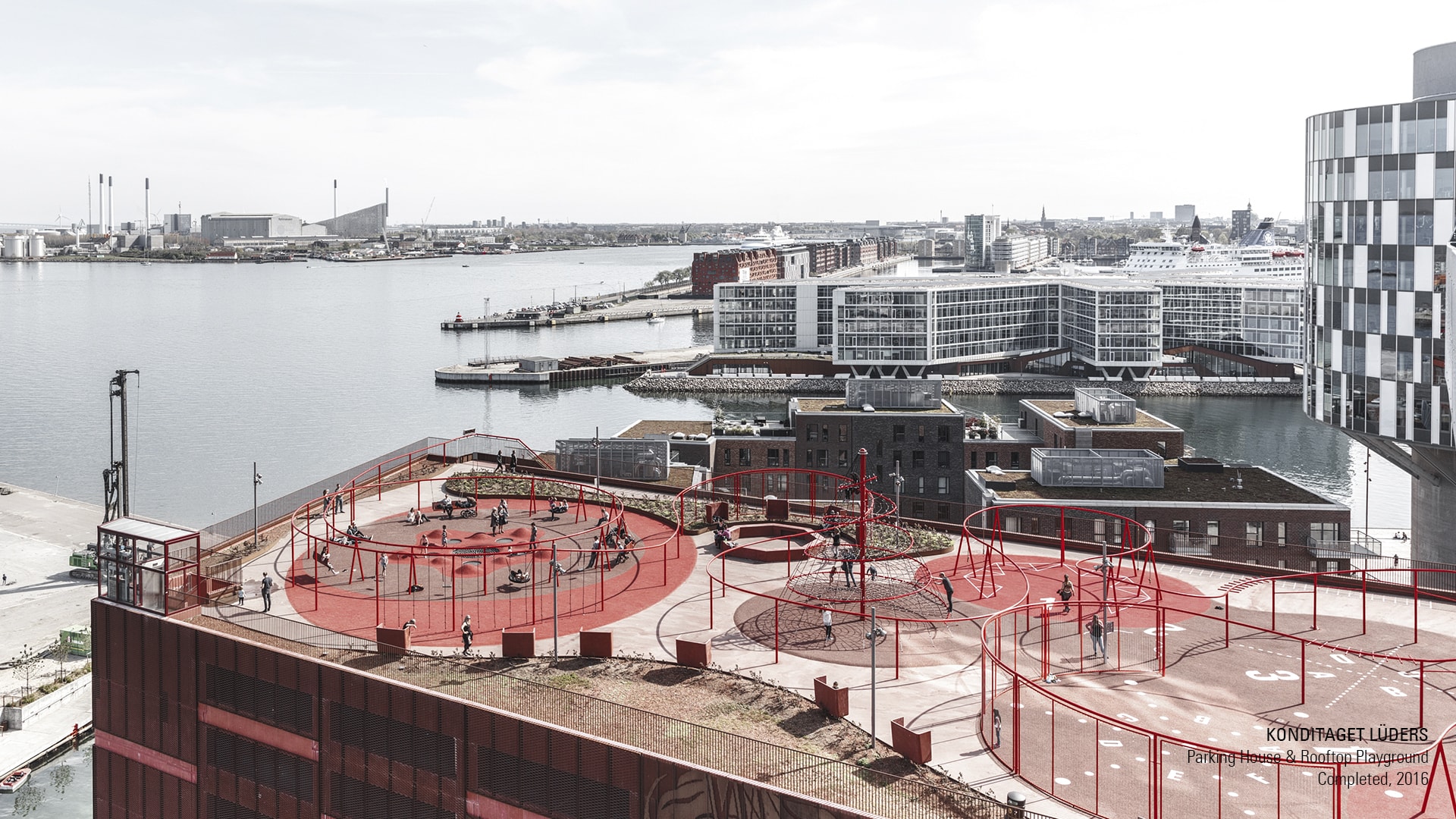
The playground is on the roof.
Both add a public destination to a working building. Compare play above a car park with a forest landscape around a factory.
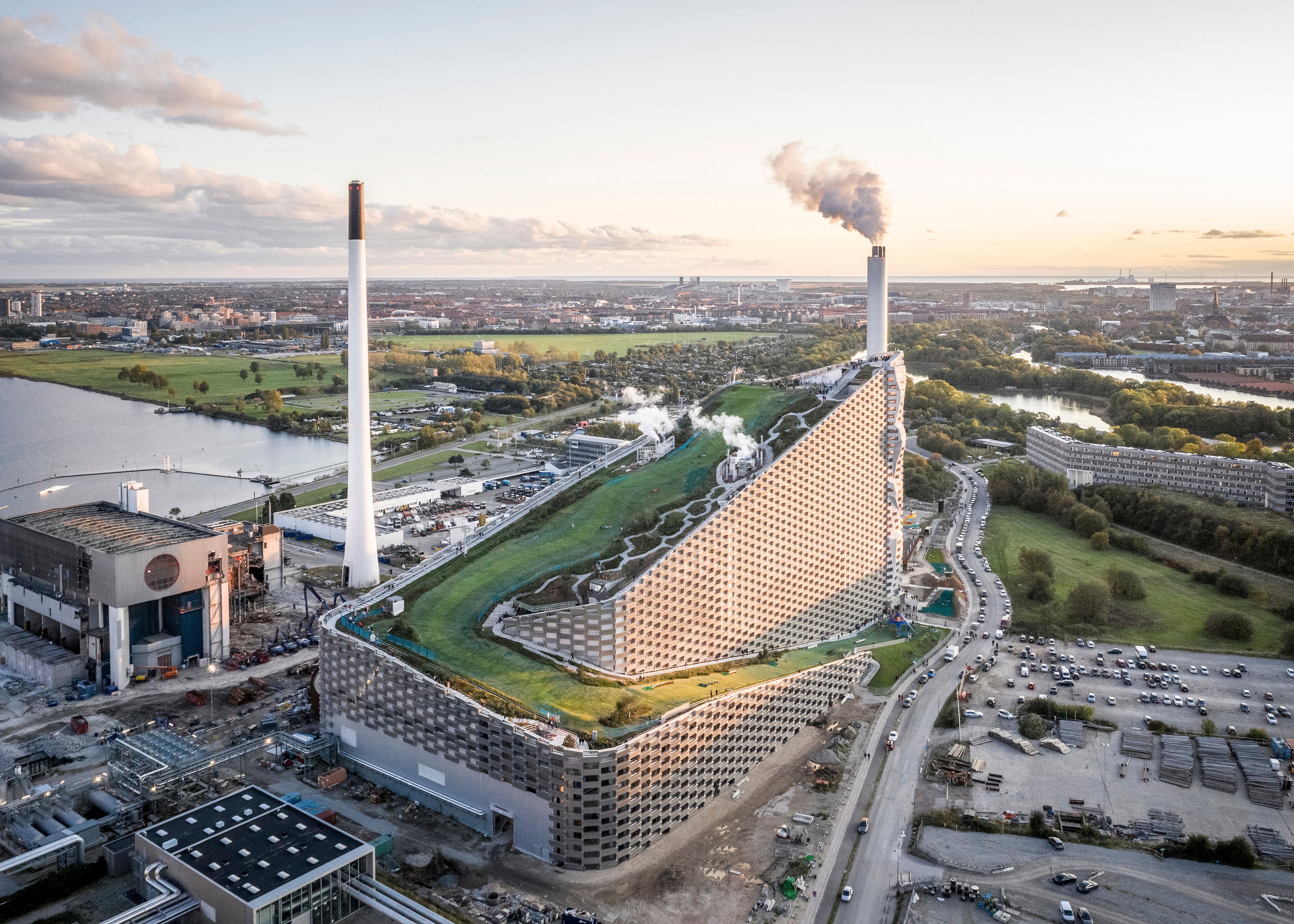
Ski on the city’s infrastructure.
Another productive building gives its roof a recreational role. Look at how visitors and industrial work coexist.