Design the package for what happens after the snack.
A paper pouch still has to seal and protect what is inside. This collaboration tackles those requirements before asking where the material can go after use.
 SM San Marino
In practice. Koehler supplies the specialist paper, SIT Group in San Marino prints and converts it, and Loacker uses it for selected wafer products. The partners document a subsequent paper-recycling route.
What to keep in view
This concerns selected products, not all Loacker packaging. Recyclability testing is not a guarantee of collection, recycling or a lower footprint in every market.
Solve protection and recovery together
The project uses Koehler NexPlus Seal Pure MOB, a heat-sealable paper with mineral-oil barrier properties. SIT brings printing and conversion expertise to turn the sheet material into stand-up pouches for selected Loacker products.
The collaboration matters because a packaging change must work through several factories and processes. Paper properties, print, seals and the food producer’s requirements have to align. The supplier reports recyclability testing using the CEPI method.
Follow the fibre beyond its first identity
Koehler illustrates a route from used packaging into recycled paper at Greiz, including black paper for premium boxes. It is a documented material pathway rather than evidence that every individual pouch returns to that particular mill.
The useful lesson from San Marino is the converter’s role between a material invention and a finished product. That often overlooked stage determines whether an idea survives real production. Collection and local recycling infrastructure still decide what happens after the customer finishes the wafers.
Read next.
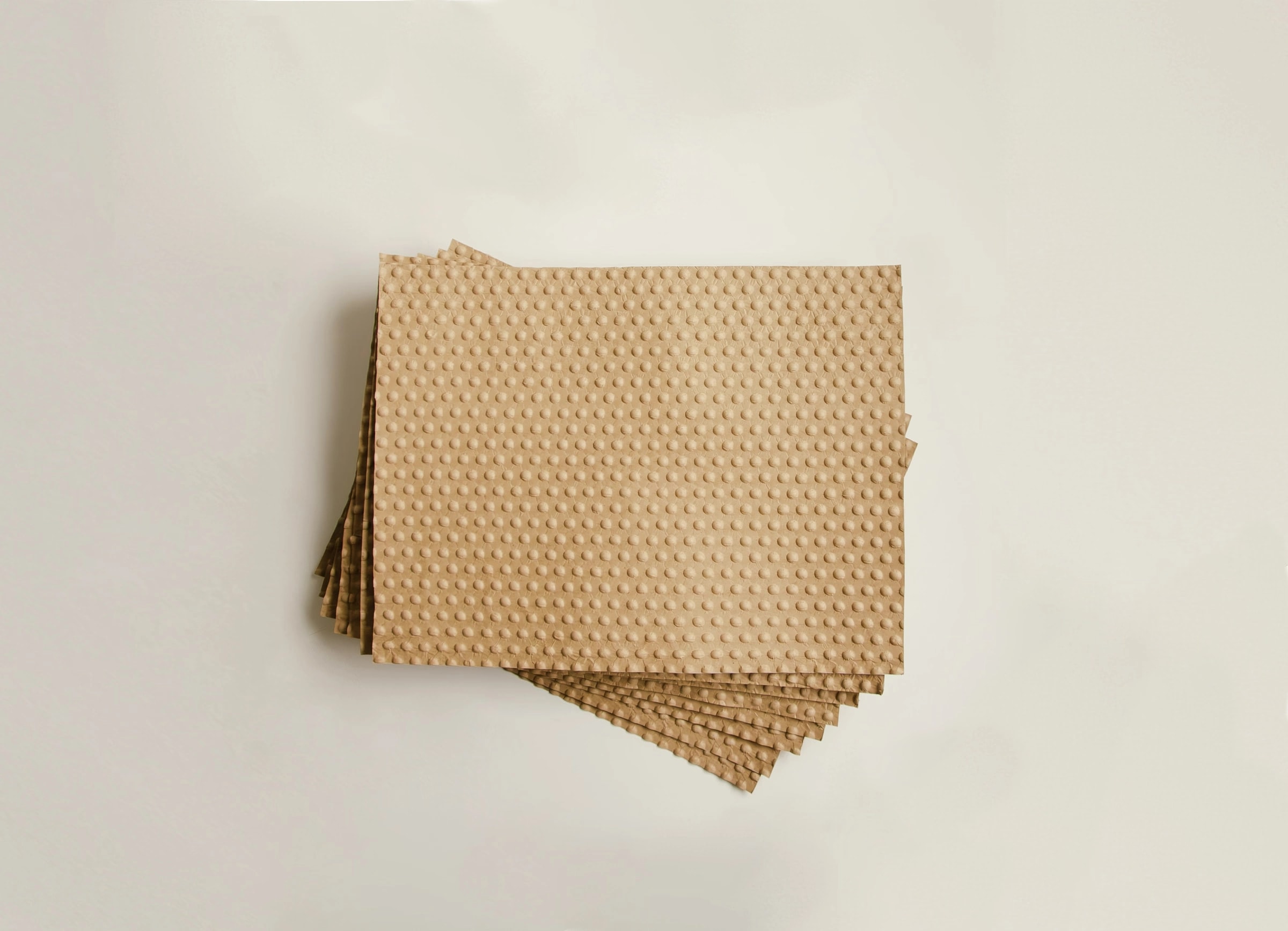
Paper cushioning shaped for the journey.
Both ask paper to perform a demanding packaging job. Compare protection through shape with protection through barrier properties and seals.
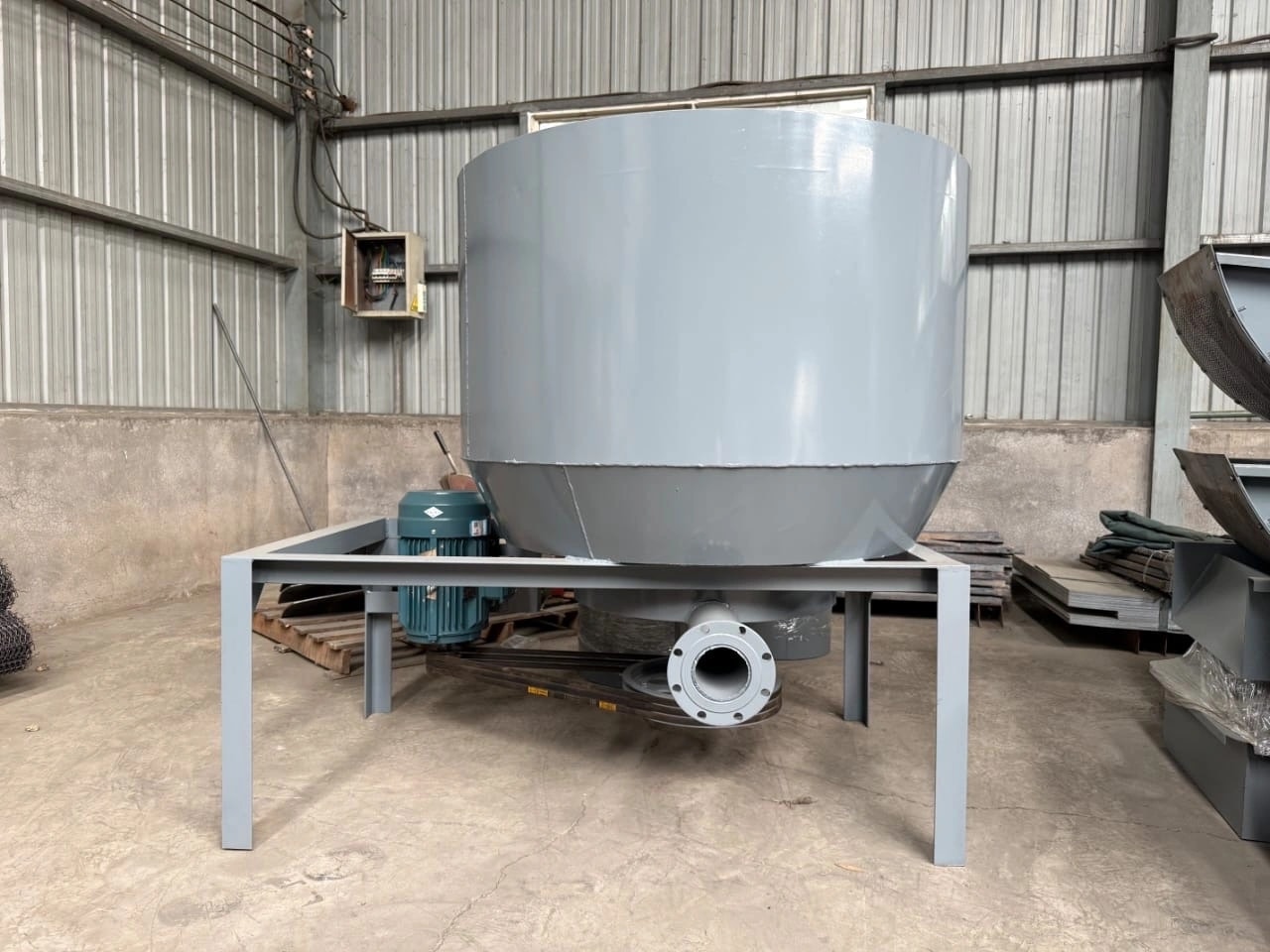
Turn local paper waste into local packaging.
Both depend on the relationship between fibre processing and a useful object. Recovery infrastructure remains part of the story after manufacture.