Arrange factory leftovers as a library of possibilities.
Factory offcuts are arranged like a library of possibilities, giving schools materials to explore rather than instructions to follow.
 IT Italy
In practice. An educational resource centre founded in Reggio Emilia in 1996, with organised collection, selection and distribution.
What to keep in view
Operator and educational-institution accounts establish the service. They do not prove a quantified learning gain or net environmental saving for every material. Eligibility, suitability, safe handling and local waste arrangements must be checked. This is not permission to give arbitrary industrial waste to children.
Curation between factory and classroom
REMIDA was founded in Reggio Emilia in 1996 within the city’s early-childhood educational culture. The centre collects industrial leftovers through a local network and a logistics arrangement with Iren. Staff sort and present the materials to suggest uses and combinations. Eligible schools and nonprofit organisations obtain materials through a membership and collection service. Research, training and public activities accompany distribution.
Industrial surplus becomes a curated resource for open-ended learning, supported by an actual collection and distribution service.
Materials without one prescribed answer
Our reading: a heap of offcuts and an inviting material collection are not the same thing. REMIDA’s added value is the care between the two: selecting, arranging and helping people notice possibilities. The industrial irregularity can be useful precisely because it has not already been designed into a toy with one correct use.
Design the curation and support around surplus, not only its collection. Agree what can be accepted, who it suits and how recipients learn to explore it safely.
Read next.
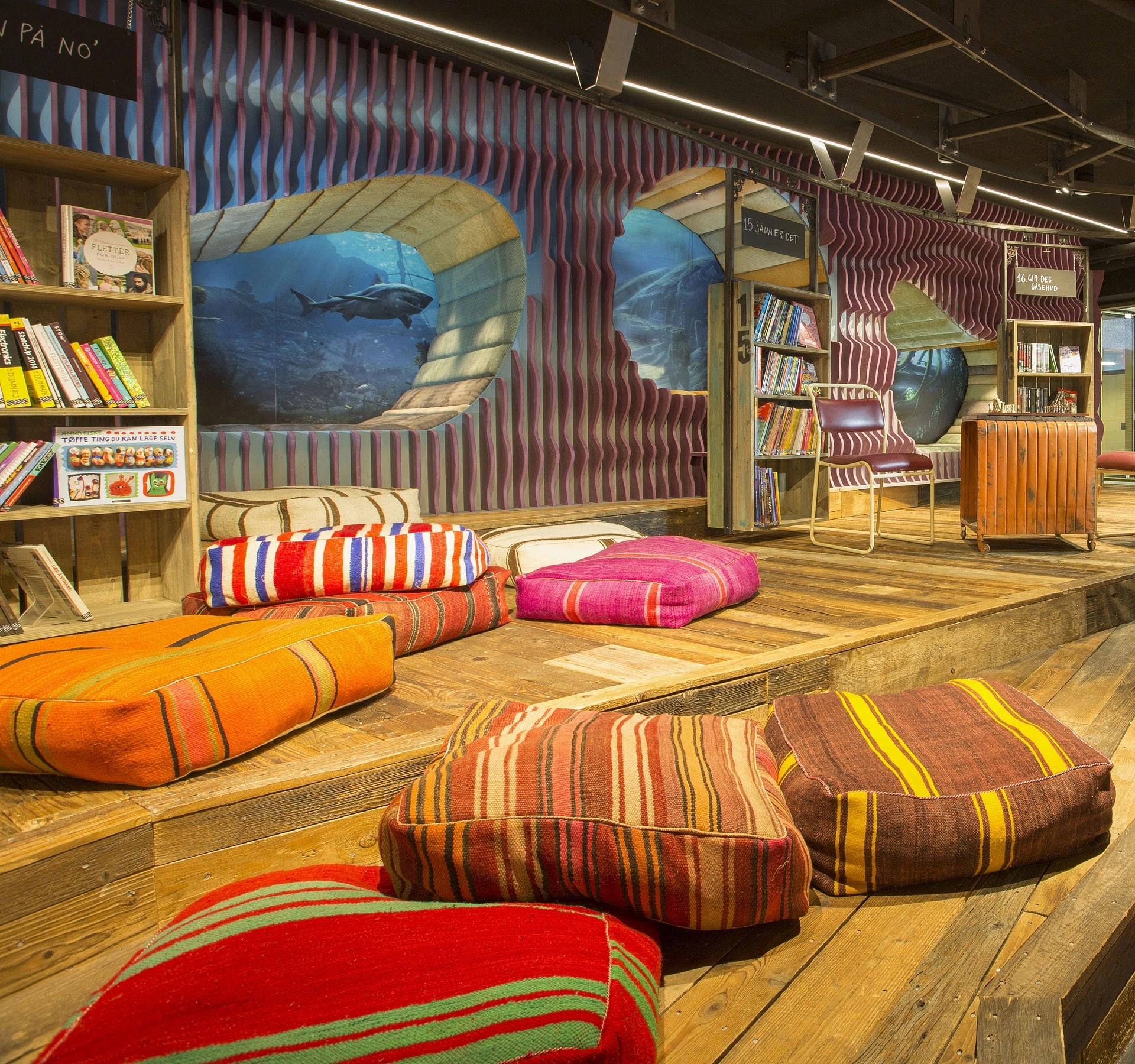
Young readers set the terms.
Both create a setting for open-ended exploration. One reorganises the library around an age group; the other curates materials for educators and learners.
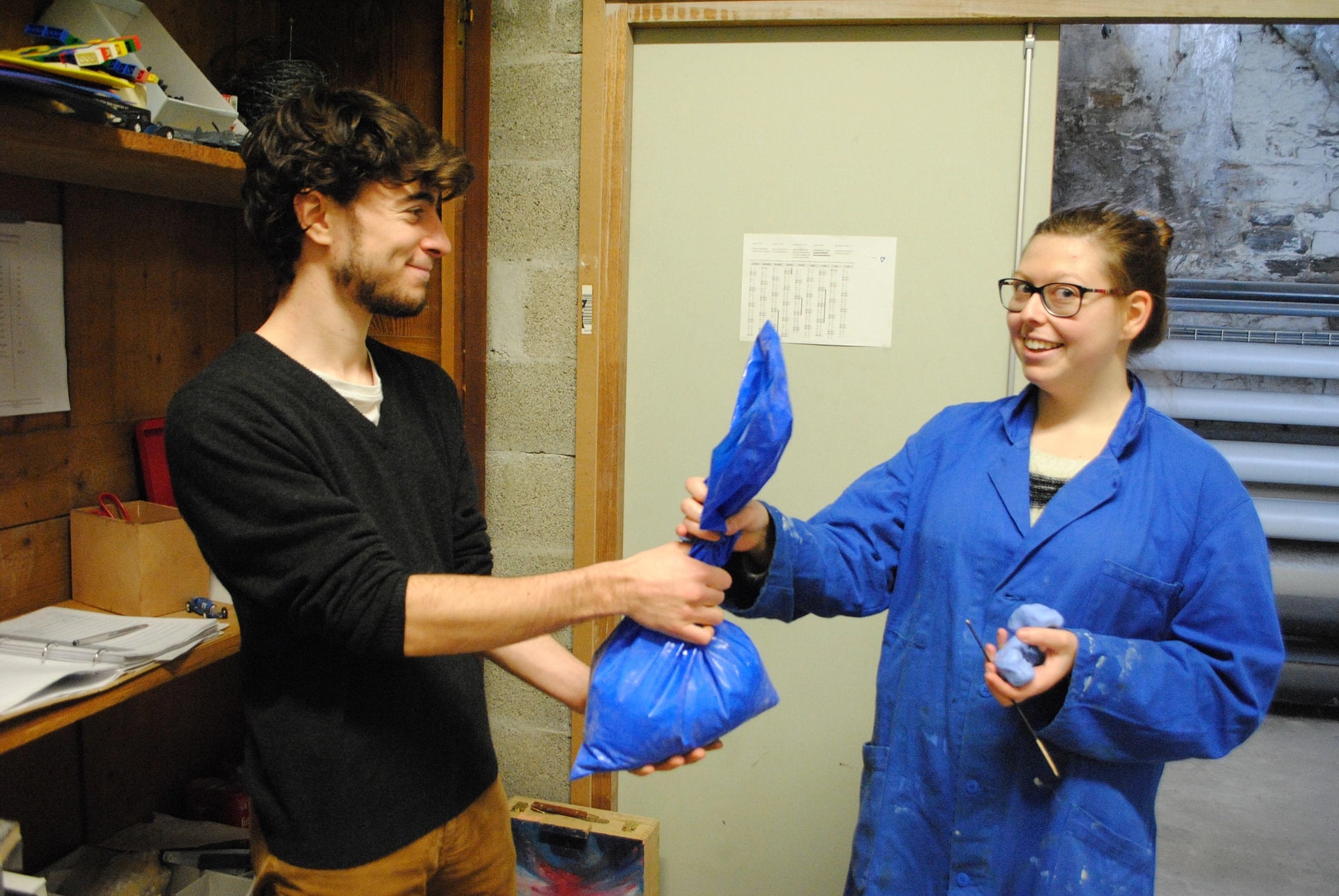
A materials store with its own currency.
Both turn surplus into usable learning materials. Compare a student exchange currency with a curated collection and distribution service.