A screen with room to think.
A digital device can compete through what it leaves out. reMarkable’s paper tablets make a deliberately narrow promise: a place to work with notes and documents, without the usual stream of interruptions.
 NO Norway
In practice. Commercial paper tablets: the original launched in 2017 and the pictured reMarkable 2 in 2020.
What to keep in view
The pictured reMarkable 2 is an earlier model. The design’s intention to support focus is not a guarantee of better concentration, creativity or productivity for every user.
An idea from the notebook
Founded in 2013 and headquartered in Oslo, reMarkable developed its first paper tablet for writing, sketching and reading. The original device arrived in 2017; reMarkable 2, pictured here, followed in 2020.
The company’s origin story starts with a familiar tension. Paper gives thoughts a physical place, but handwritten work can be awkward to organise and share. A digital notebook tries to preserve the directness of a pen while adding ways to keep that work together.
Restraint as a product decision
reMarkable describes its approach as distraction-free by design, without the notification alerts, advertising and pop-ups common to general-purpose screens. The tactile writing surface and simplified software support that narrower role.
This is a useful design question beyond tablets: which interruptions does a tool need to permit? Adding another feature may make a product more capable while making the task harder to stay with. A deliberately limited device makes that trade-off visible to the person choosing it.
A case in focused tools
Our reading: the lasting interest is the product boundary, not a claim that everyone should replace a notebook or laptop. A focused writing device can be valuable when its limitations fit the work. It can be unnecessary when an existing tool already serves that work well.
The product family has continued to develop since reMarkable 2. This case uses the earlier model to examine a design approach, not to present it as the latest release. Current features, subscriptions and supported workflows should be checked against the model being considered.
Read next.
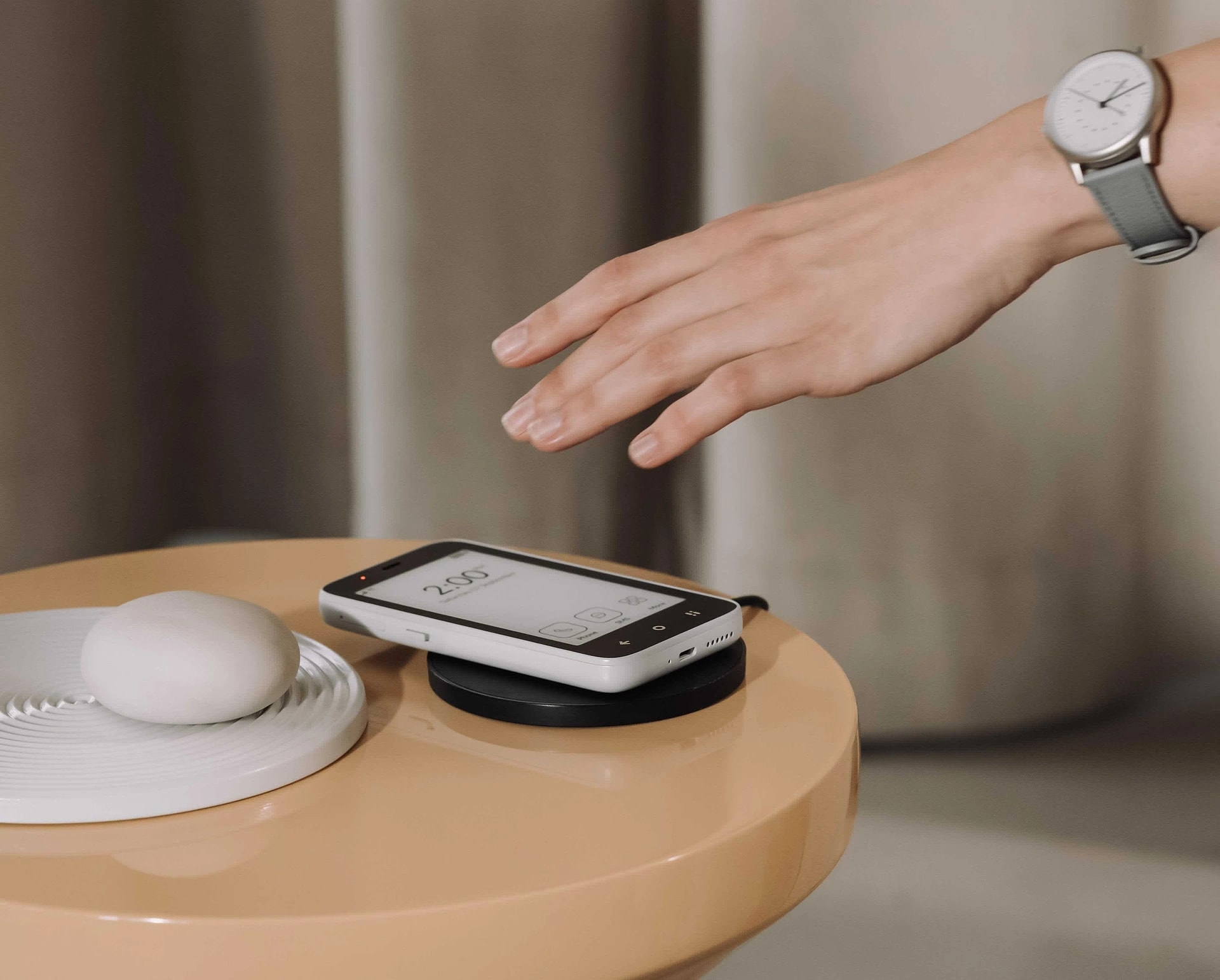
A phone with a deliberate offline state.
Both deliberately limit a digital device’s role. The useful question is which functions remain essential for the person using it.
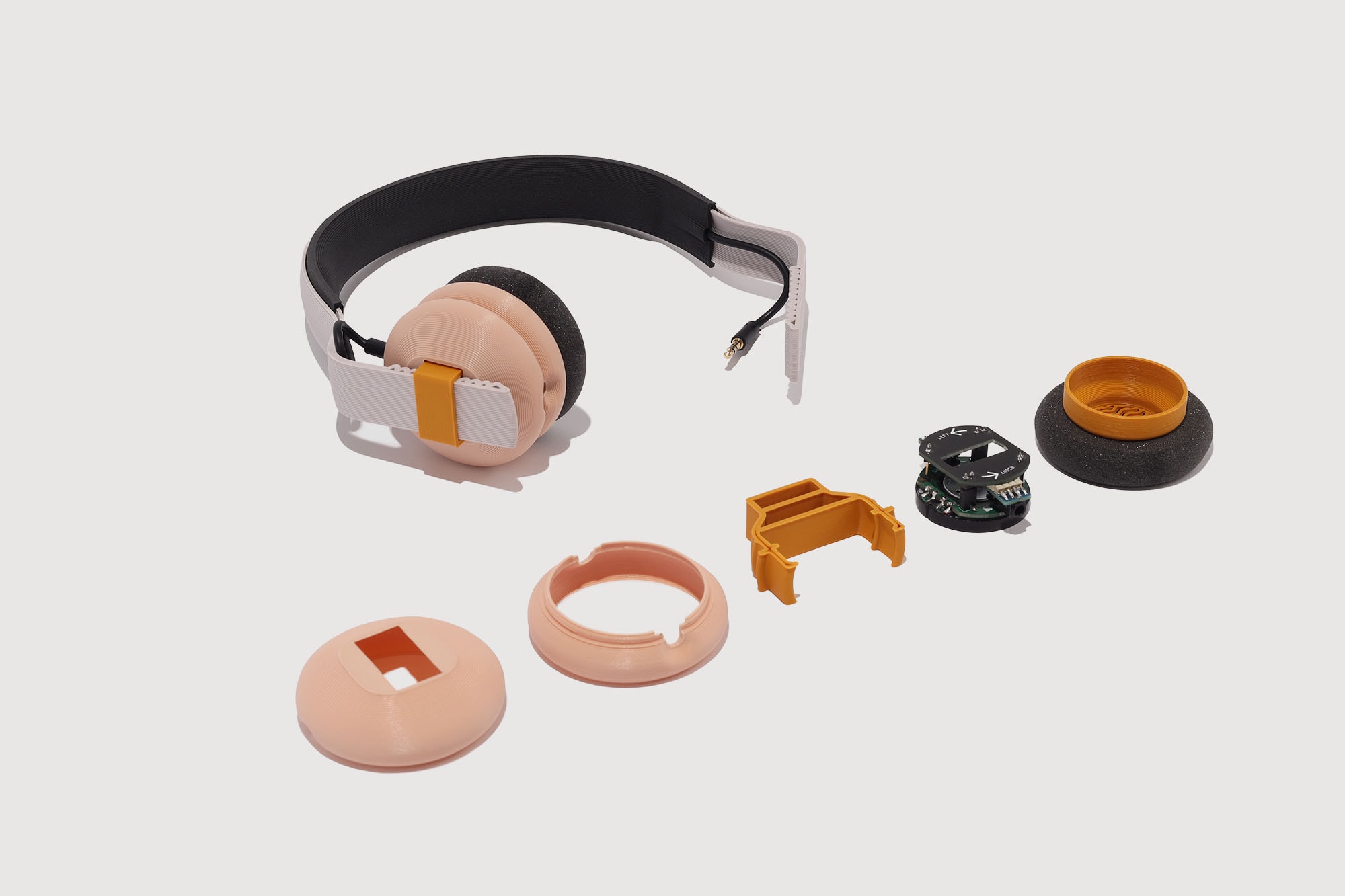
Headphones children assemble and repair.
Both question how a personal device should be designed around use. Compare restricting distractions with making components accessible for repair.