Meet the parts before anything breaks.
Taking headphones apart is usually the beginning of a problem. Kibu makes it part of the product. Children assemble the parts they will later be able to replace, turning repairability into something visible and familiar.
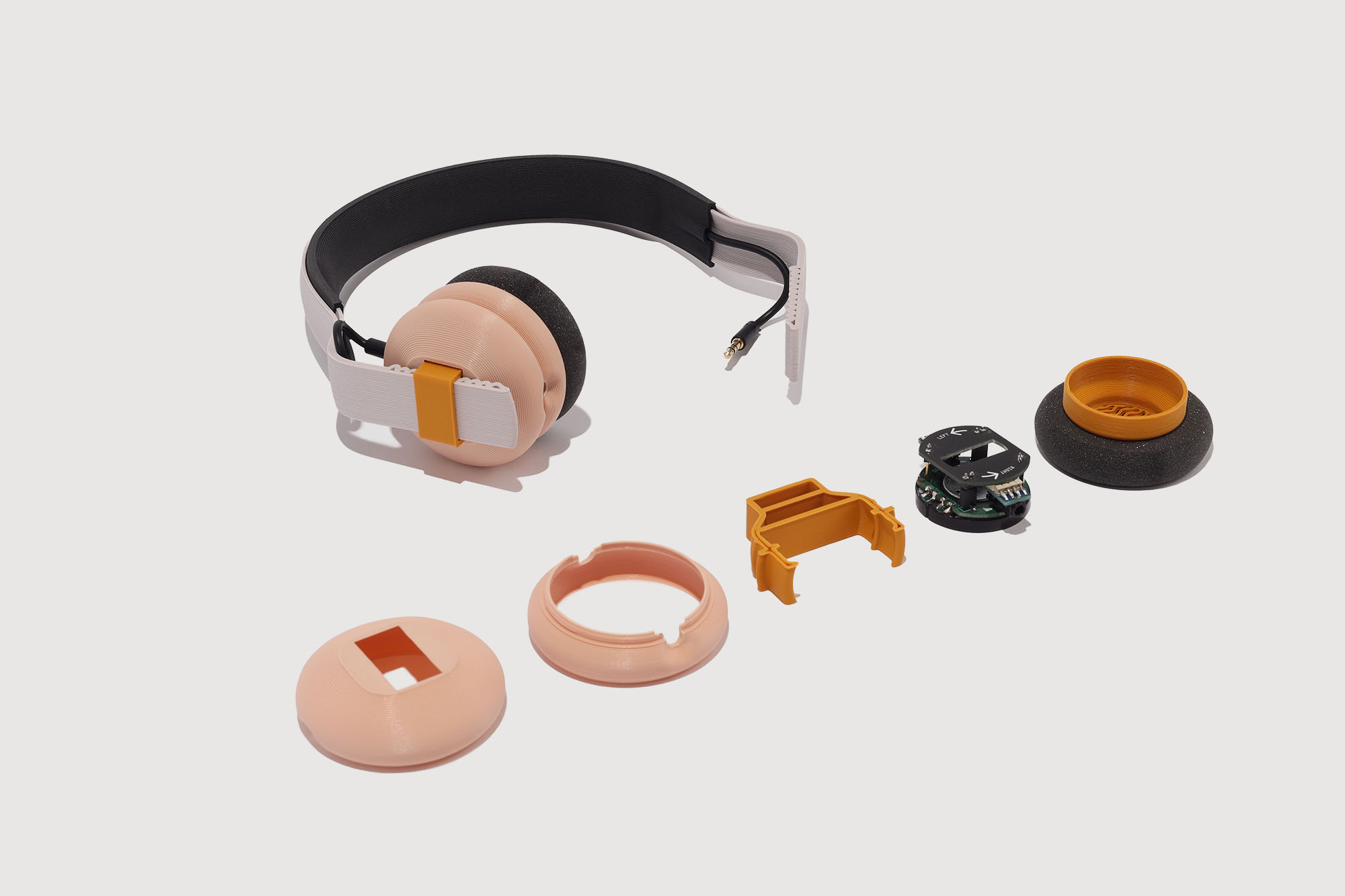
In practice. A UK design and production collaboration between Morrama and Batch.Works, with a commercial Kibu offer.
What to keep in view
Recyclable parts and a return offer do not establish recovery rates. Printed plastic components do not make the entire electronic product locally sourced or impact-free.
Assembly makes the parts familiar
Kibu combines Morrama's product design with Batch.Works' on-demand production. Its modular headphones use accessible connections rather than glue and complex fixings. The design account describes printed recycled-plastic parts, interchangeable components and a return route for plastic recovery. Kibu's current shop offers the headphones for sale. Claims about material recovery concern specified parts, not proof that every purchased pair returns to a closed loop.
A sealed listening device becomes an object its owner can assemble, understand and maintain.
Repair needs a supporting service
Our reading: a repair guide often arrives after an object has become mysterious. Assembly can reverse that relationship: the owner meets the parts before anything breaks. For a growing child, changes in size or a damaged piece need not demand a complete replacement. The service behind the components is what makes that promise usable.
Make a product's replaceable parts legible during ordinary use, not only in a service manual. Where participation is welcome, a short assembly experience can explain the system. Where it is not, retain the same accessible construction without making customers do unwanted work.
Read next.
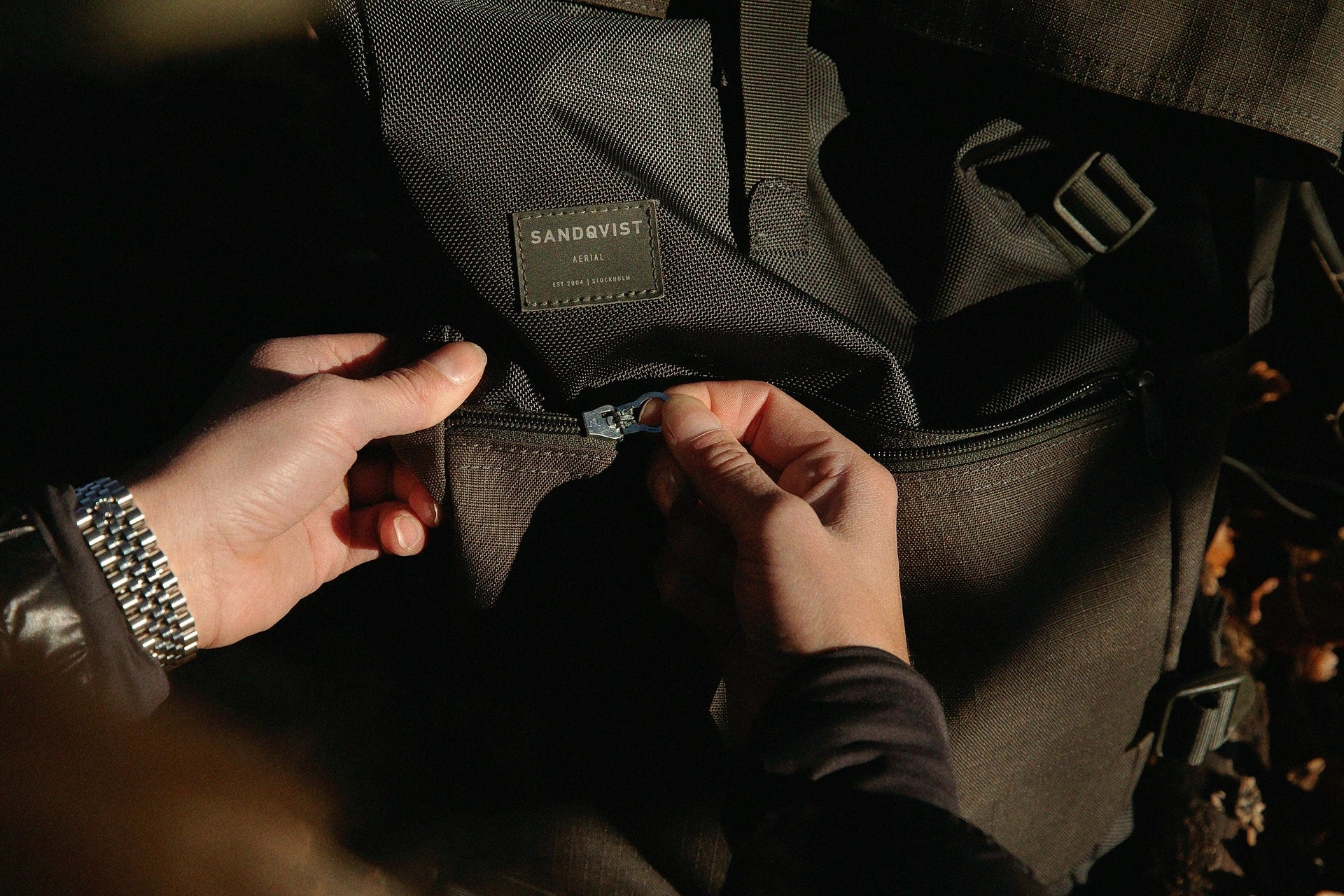
A tiny repair with a much bigger effect.
A zipper gains a replaceable slider; headphones make their parts accessible from the start. Compare repair added later with repair built into first use.

Keep the music playable.
Both link access to an object with the ability to keep it working. Repair knowledge and replacement parts matter after the first encounter.