Give surplus food a short route to someone who needs it.
A surplus meal is useful only if someone can collect and distribute it in time. Refood organises that short journey around neighbourhood centres, nearby donors and regular volunteer shifts.
 PT Portugal
In practice. A Portuguese community initiative begun in Lisbon in 2011, organising local food recovery and redistribution.
What to keep in view
Food safety, suitable storage, volunteer capacity and dependable collection are essential. Food recovered is not the same measure as avoided waste or improved nutrition.
Match collection to a neighbourhood
Refood organises local food-recovery centres in Portugal. Volunteers collect usable surplus from nearby donors and help distribute it to households. Short shifts and a small operating territory let regular contributions fit around other commitments.
Neighbourhood centres and short volunteer shifts connect nearby food-surplus donors with households that can use the food.
The service is the innovation
Our reading: distance, timing and participation are part of the food-recovery mechanism. A local centre can match many small offers with recurring needs without making every volunteer run a large delivery operation. The model depends on food handling, reliable coverage and relationships, not just enthusiasm.
Read next.
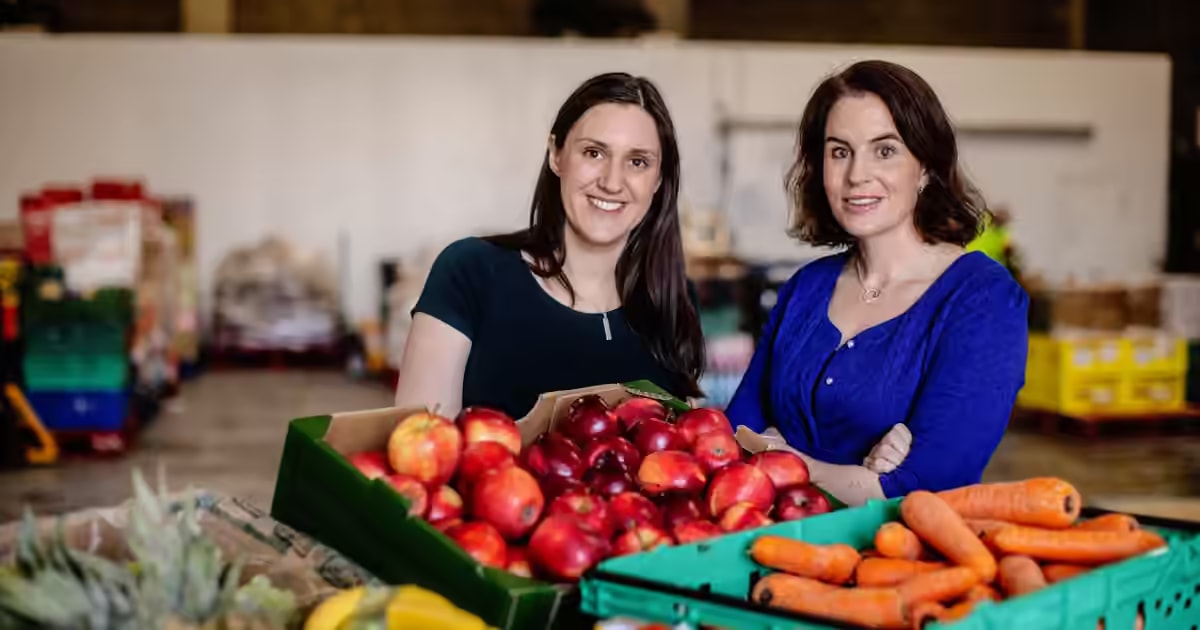
Connect surplus with somewhere useful.
Both connect surplus food with redistribution. Compare neighbourhood volunteer routes with a wider coordination platform and hub network.
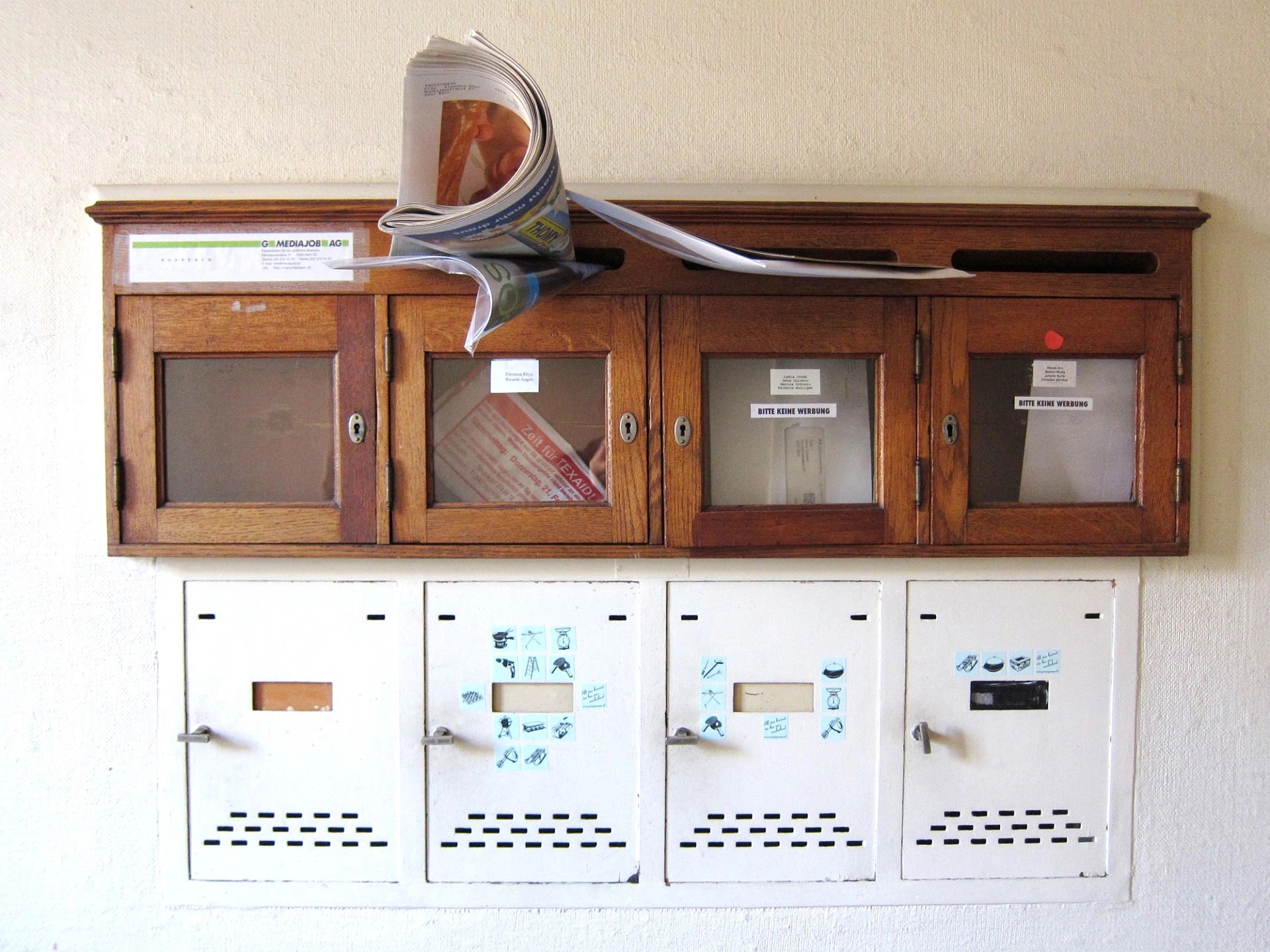
The neighbour with a drill might be next door.
Local proximity can make unused value easier to share. Food recovery requires a more demanding safety and timing system than lending household objects.