Put an invisible measurement on the wrist.
Radiation is not something a person can judge by looking around. Polimaster’s wrist dosimeters made a specialised measurement available in an object worn throughout the day.
 BY Belarus
In practice. A historical Belarusian-origin innovation. Polimaster was founded in Minsk in 1992; the group announced that it had ended ownership and operation of businesses in Belarus in 2022.
What to keep in view
This is historical design coverage, not radiation-safety advice or a recommendation of a particular detector. Model capabilities and calibration requirements differ.
Bring the instrument into daily wear
UNECE’s innovation review traces Polimaster to specialists from Minsk’s Research Institute of Instrument Engineering. The company developed personal radiation-detection instruments in the aftermath of Chernobyl, including devices in watch and pager formats.
The PM1603 family combines a watch with a detector for gamma radiation, displaying dose and dose-rate information and providing configurable alerts. Its documentation also describes stored measurements and transfer to a computer. The wrist format makes the instrument portable without requiring it to be held continuously.
Keep the origin and the present separate
The design lesson is about availability: a measurement is useful only when the relevant instrument is with the person who needs it. Familiar form can lower that practical barrier, although it cannot replace training or correct interpretation.
This entry records a Belarusian contribution to instrument design. It does not imply that today’s Polimaster group remains based there. In July 2022 the company stated that its Belarusian business had been sold and would operate under a different name.
Read next.
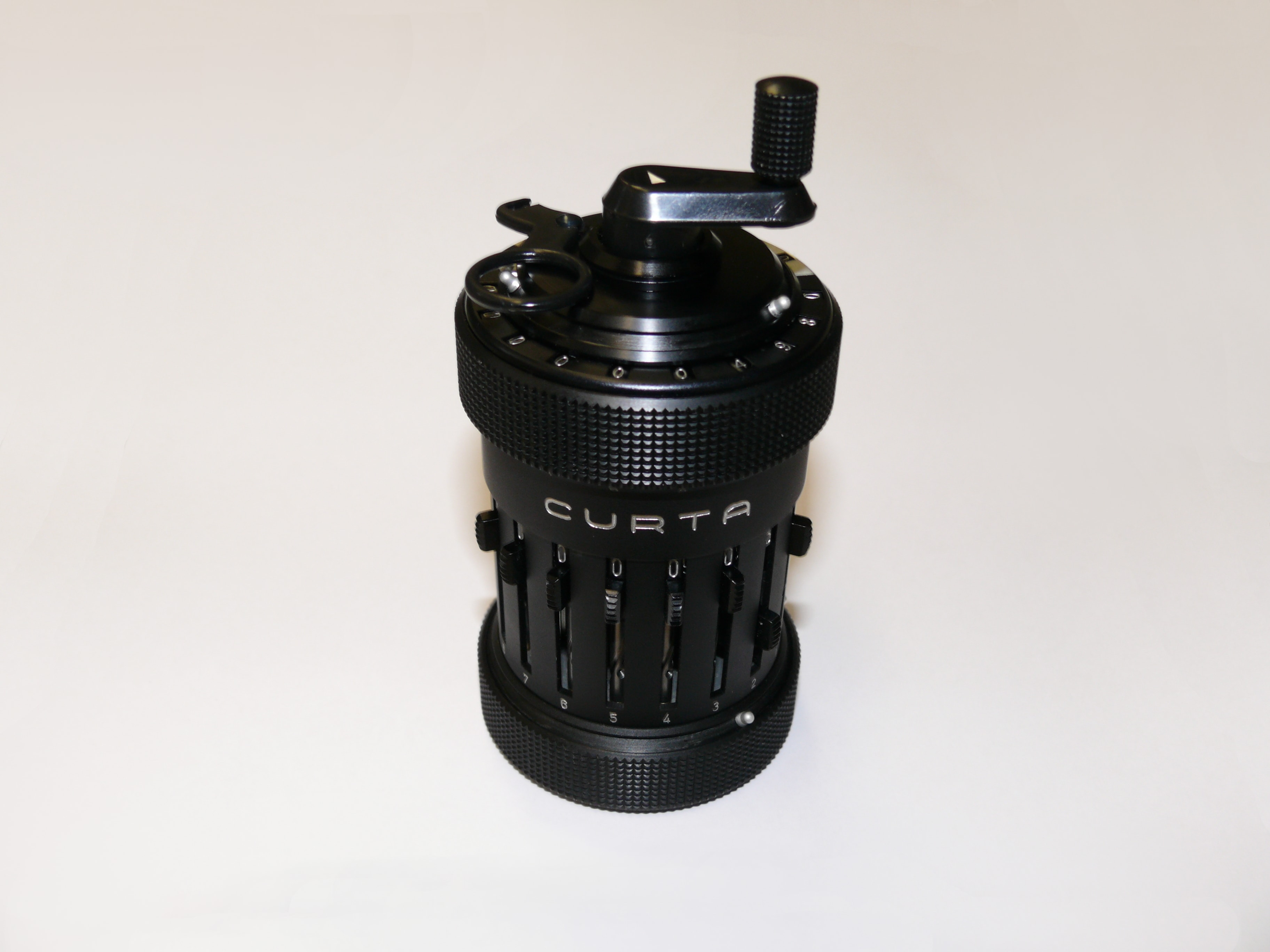
Arithmetic, turned by hand.
Both put a specialised capability into an object that can stay close to its user. Portability changes when the instrument is available.
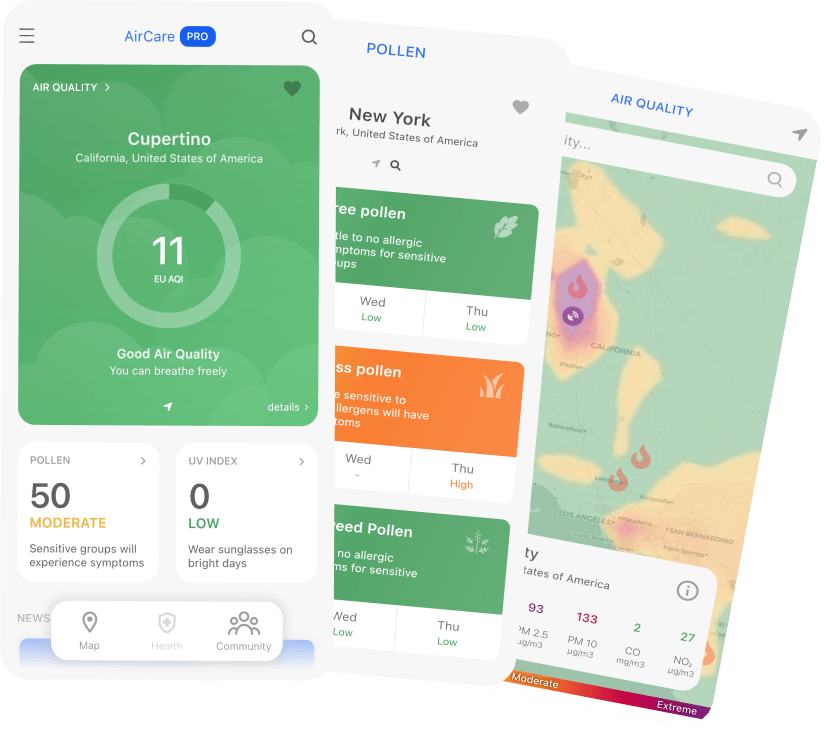
Make the invisible easier to understand.
Both make an otherwise hard-to-read environmental condition visible. A personal detector and a shared data platform create different kinds of evidence.