Let a new insulation material face a real winter.
A small research building tests fungal-bound insulation through real seasons, not just laboratory samples.
 EE Estonia
In practice. The PAKK research pavilion opened in Tallinn in November 2024, with monitored Myceen insulation and continuing field research.
What to keep in view
Preliminary observations do not establish long-term certification. Myceen lists fire class D for the material, so it is not non-flammable. A research pavilion does not establish a functioning full-scale factory or automatic carbon-negative performance.
Beyond the material sample
The PAKK Pavilion in Tallinn opened in November 2024 as an experimental building associated with the Estonian Academy of Arts. Myceen insulation forms part of its monitored envelopes. Sensors make material behaviour in a constructed setting available for study, connecting a promising sample with the conditions a building actually imposes.
The PAKK Pavilion places Myceen insulation in monitored building envelopes alongside architectural research systems. Sensors track how the material behaves in use.
Evidence from the whole assembly
Our reading: an insulation material has to work with moisture, joints and changing temperatures. A monitored pavilion makes those relationships visible together rather than relying entirely on the appearance of a laboratory sample.
Give a new material a carefully monitored role in a real assembly before asking it to carry a whole building claim.
Read next.
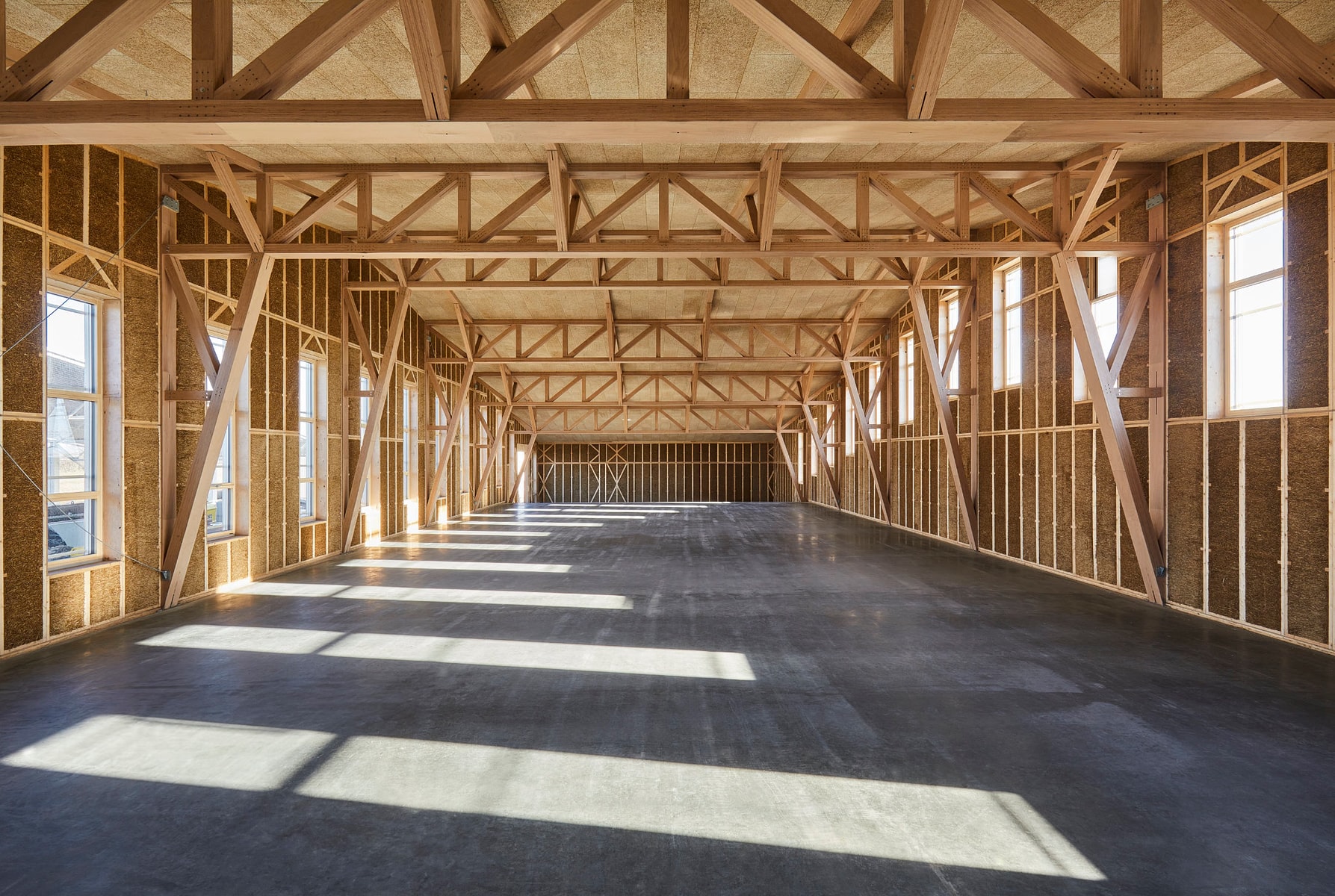
Turn straw into a building system.
Two bio-based building materials at different stages. Compare a monitored insulation experiment with a manufactured wall-panel system.
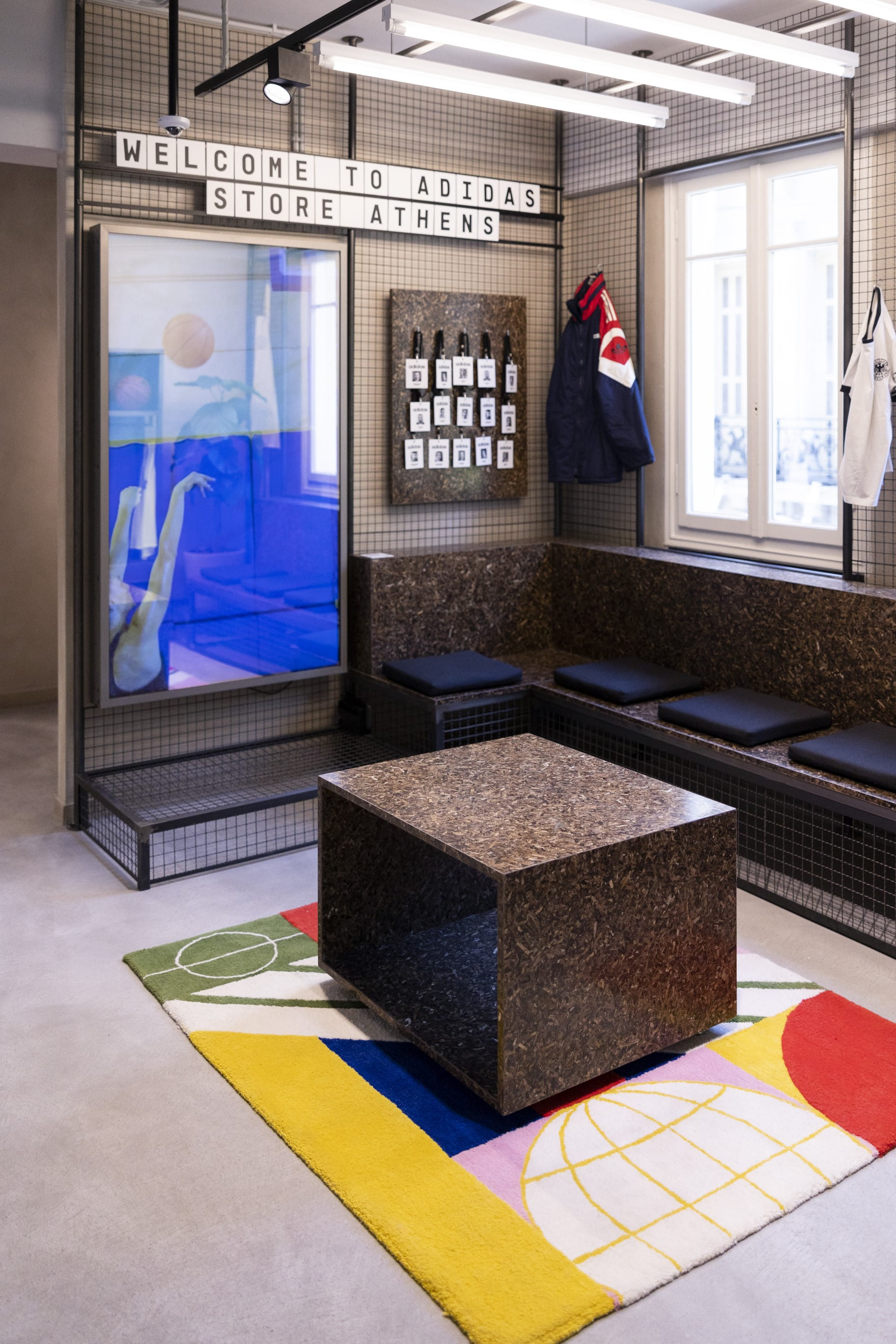
Seagrass, visible in the surface.
Both turn biological material into a building product. Their binders, fire behaviour, moisture response and intended roles require separate evidence.