Compose something you can touch.
Change a button, wait for the drum to turn and hear what happens. Musicon makes a musical sequence something a learner can see and handle.
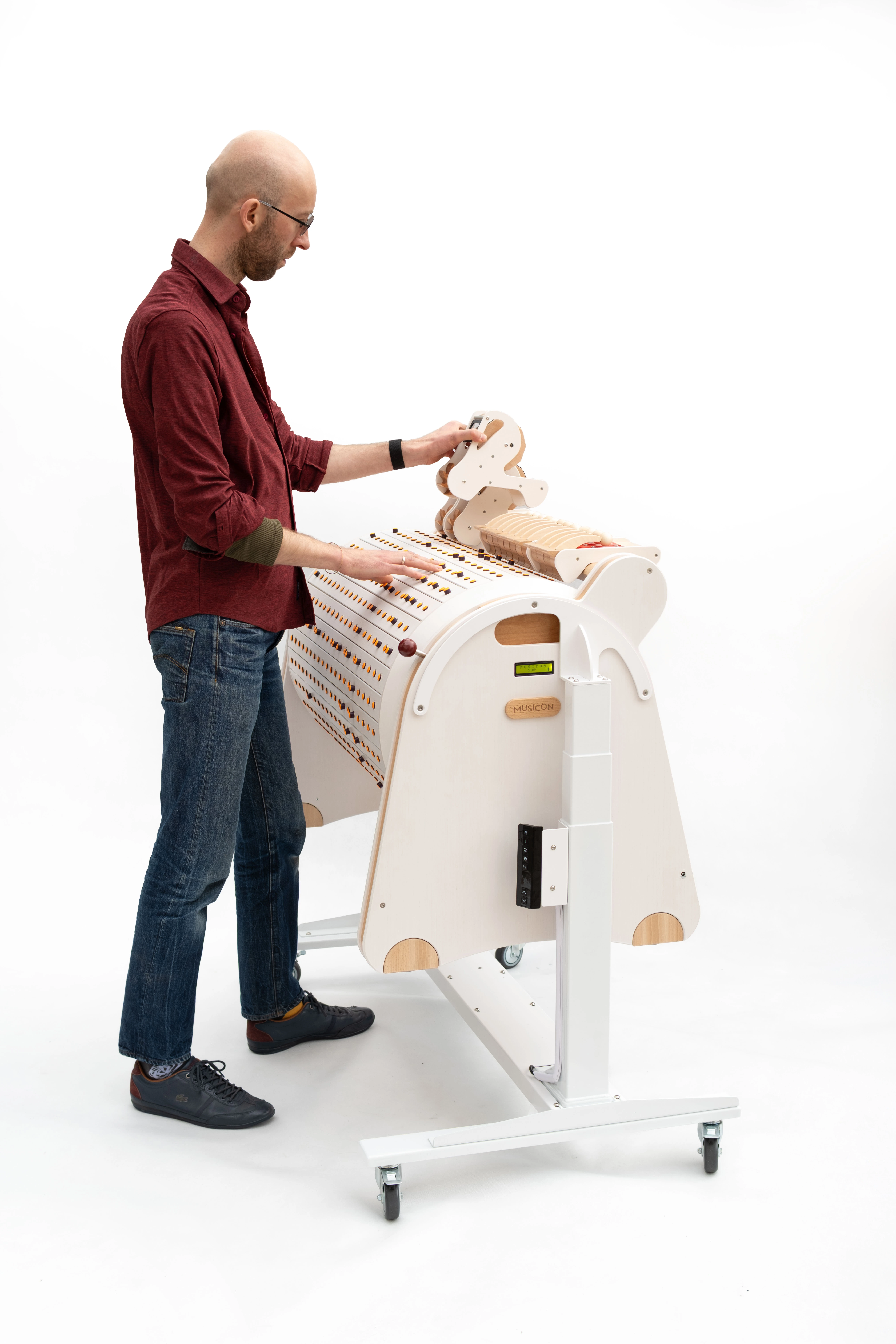
In practice. A manufactured physical sequencer with documented use; retractable buttons on its rotating drum activate instrument modules.
What to keep in view
Documented use does not establish lasting learning gains or therapeutic effectiveness. Musicon configurations differ; the physical interface should not be taken as evidence that every version is electronics-free.
Put the sequence where everyone can see it
Musicon’s turning drum carries buttons that can be set to activate instrument modules. Changing that pattern changes what plays on the next rotation. On the EXH version, modules attach magnetically and can be swapped, while a lever changes the tempo. The sequence is a shared physical object rather than a pattern hidden on one person’s screen.
The manufacturer describes EXH as an exhibition configuration and offers educator training, activity materials and maintenance. Its specification also lists a controller, motor and optical sensor. The interaction is tangible; calling the whole device electronics-free would be misleading.
Give a change an observable consequence
A learner can leave most of the pattern alone, alter one button and listen for the difference. That makes repetition, prediction and revision part of making music. The visible layout also gives several people something to discuss and change together.
Fundacja Inkluzja documents use of a Musicon in its school. That establishes a setting beyond the product demonstration, while the learning and therapeutic claims need evidence of their own. Our reading is about the feedback loop: a small, deliberate change followed by a result the learner can recognise.
Sources (2)
- Musicon · Exhibition configuration and interaction
Manufacturer specifications distinguish the physical interaction from the internal motor, controller and sensor.
- Fundacja Inkluzja · Documented school use
A school’s account documents use; it does not establish clinical or long-term educational effectiveness.
Read next.
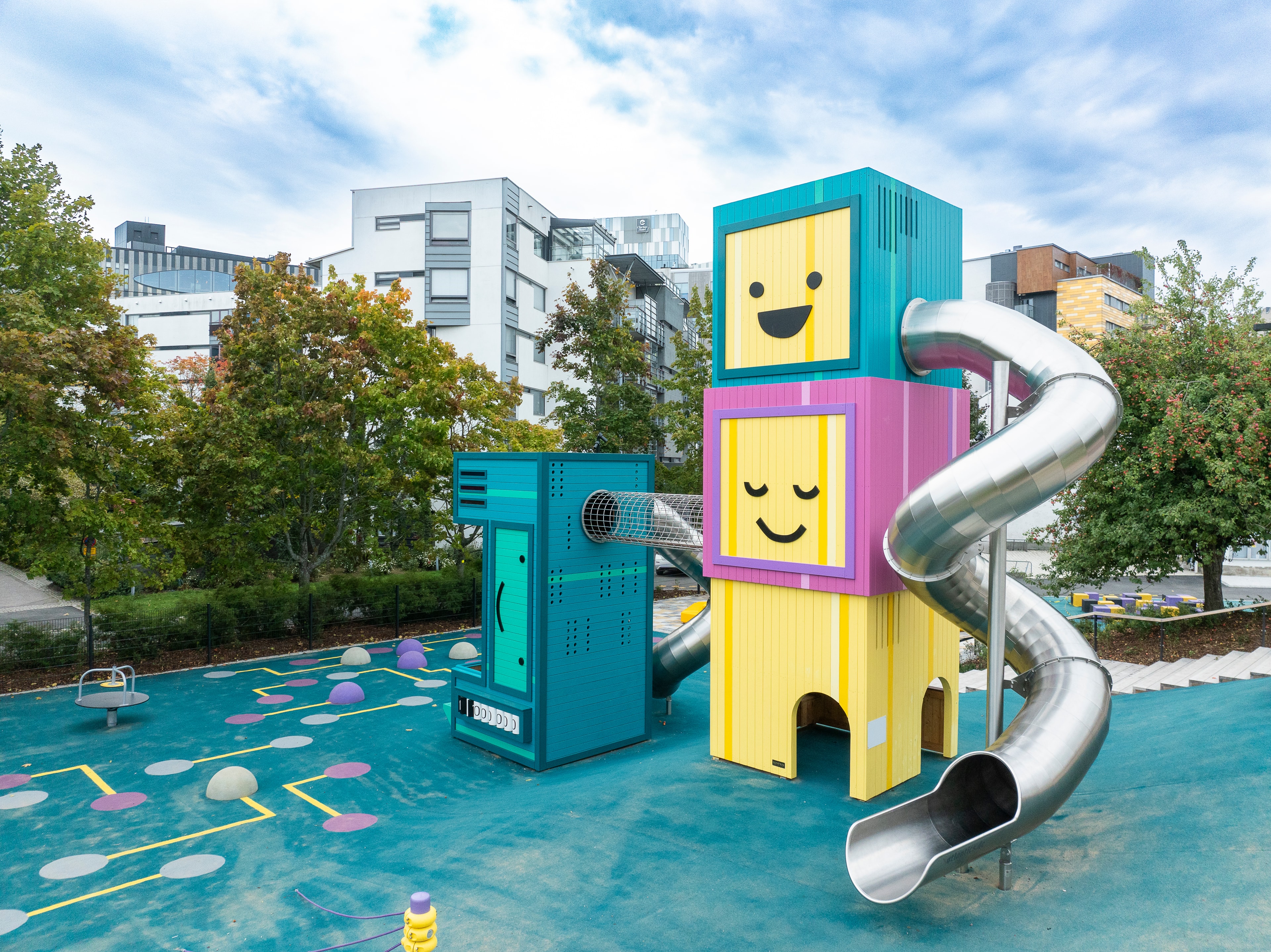
Computer science, climbed and played.
Both make an abstract sequence physical: one through playground movement, the other through a rotating musical drum.
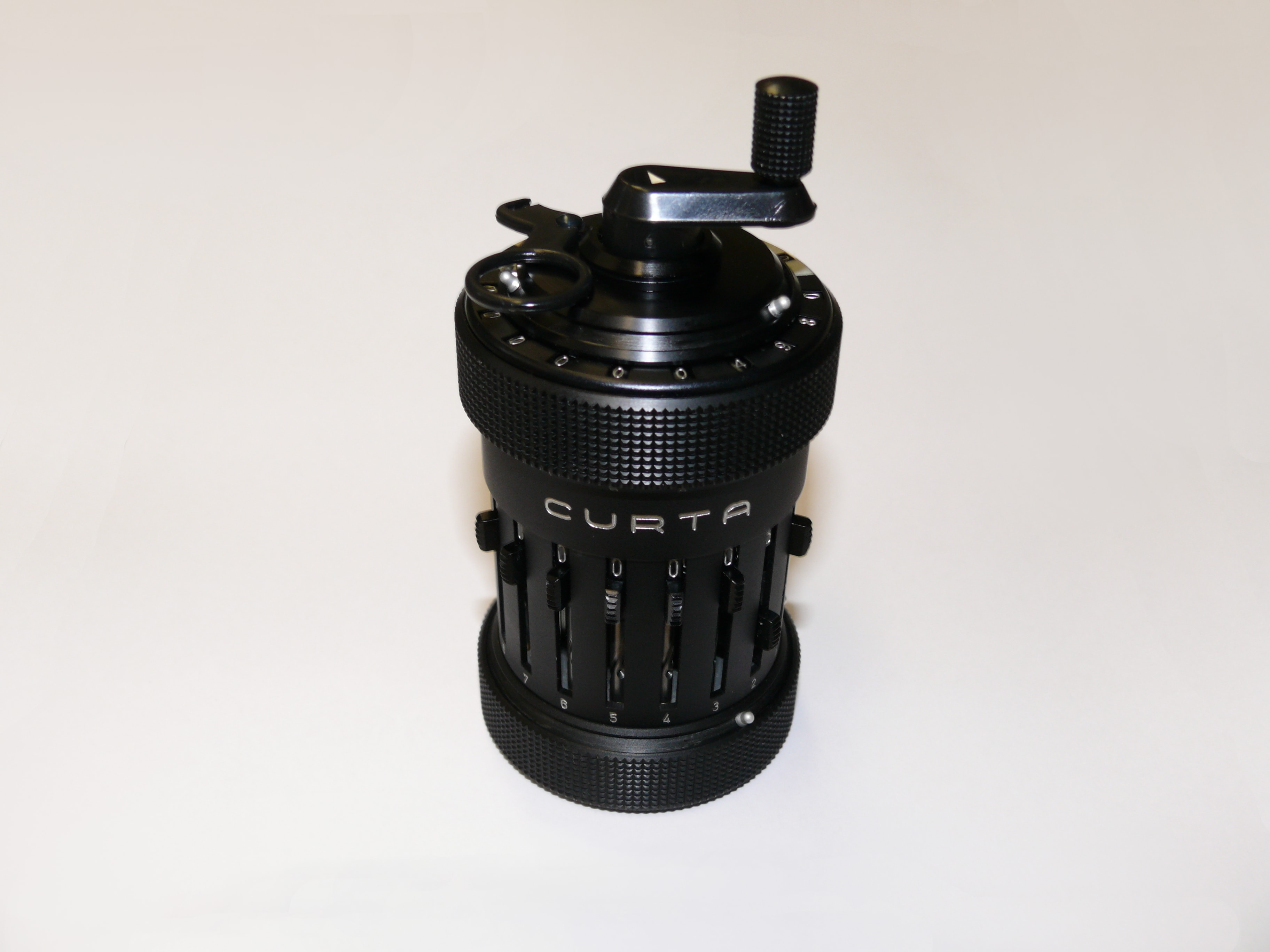
Arithmetic, turned by hand.
A hand-operated mechanism makes an invisible process tangible: arithmetic in Curta, musical sequencing in Musicon.