Two timers become more useful through one shared control.
Two stopwatches are useful. A shared control gives them a different kind of usefulness. The LM Sequential EVO can run its chronographs independently, together or in alternation because one button reverses the running state of both. The invention is in how the two functions relate, not merely in having more functions.
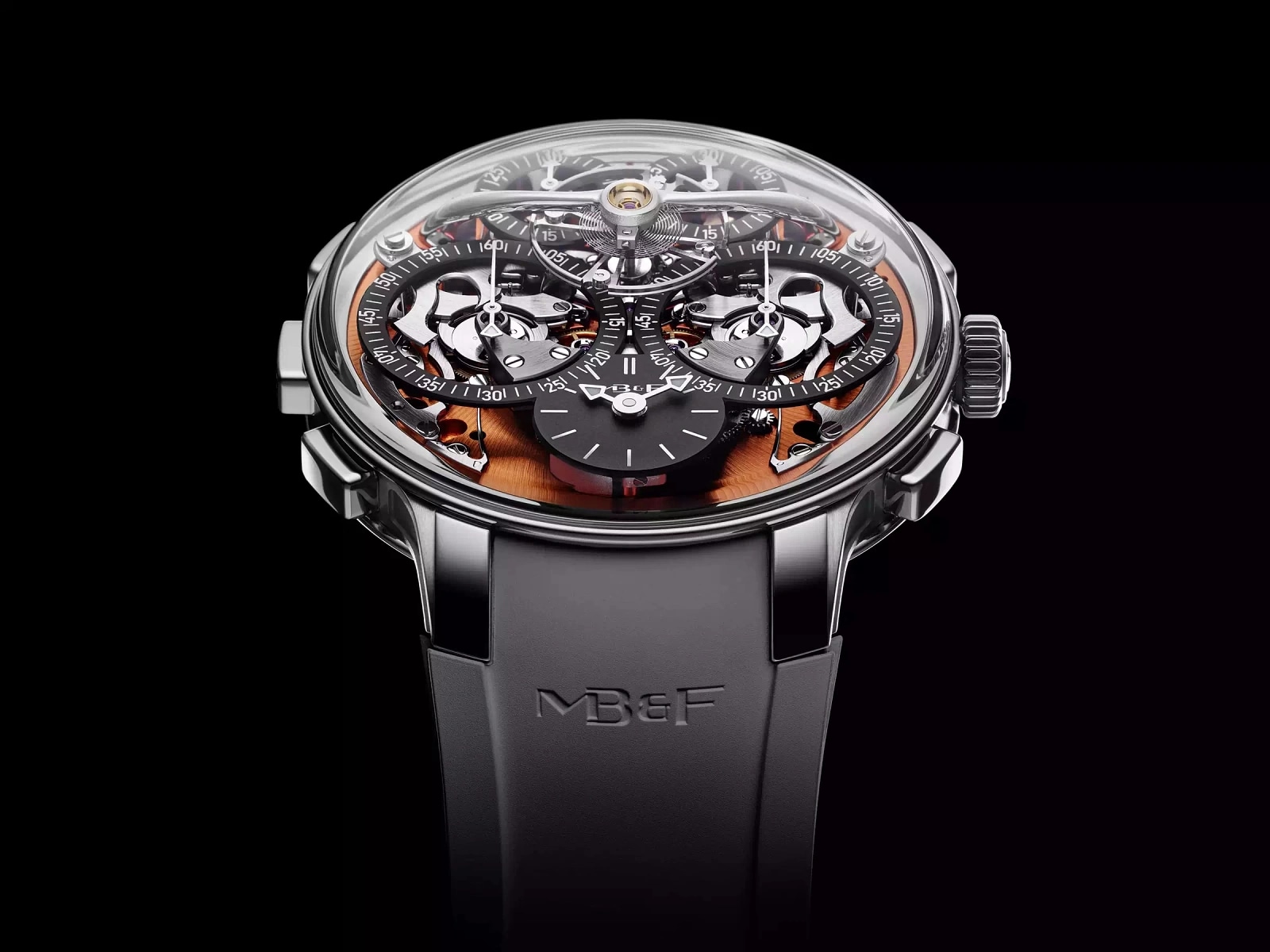
In practice. The original Swiss LM Sequential EVO was introduced in 2022. It is distinct from the later Sequential Flyback.
What to keep in view
The original EVO manual requires a chronograph to be stopped before resetting. The later flyback function must not be attributed to this model. Coordinating timers also leaves the wearer responsible for understanding their current states.
Invert the states together
Introduced in 2022 and developed with Stephen McDonnell, the original LM Sequential EVO contains two independently controlled chronographs. A fifth pusher, the Twinverter, inverts their states together. If both are stopped, both start. If only one runs, a press stops it and starts the other. The original model must be stopped before resetting and is distinct from the later Sequential Flyback.
Link existing functions at the moment when the relationship between them matters.
Coordination becomes part of the mechanism
Our reading: separate controls ask the wearer to coordinate separate actions at a boundary that may matter. The shared pusher builds one part of that coordination into the mechanism. It supports several ways of timing without requiring each to become a separate device. The same control is useful because its effect depends on the states it encounters.
Before adding another feature, examine the actions someone has to coordinate between features already present. A shared control may remove a missed handoff or make another use possible. Its behaviour must remain legible. A control that does more is not necessarily easier to operate.
Read next.
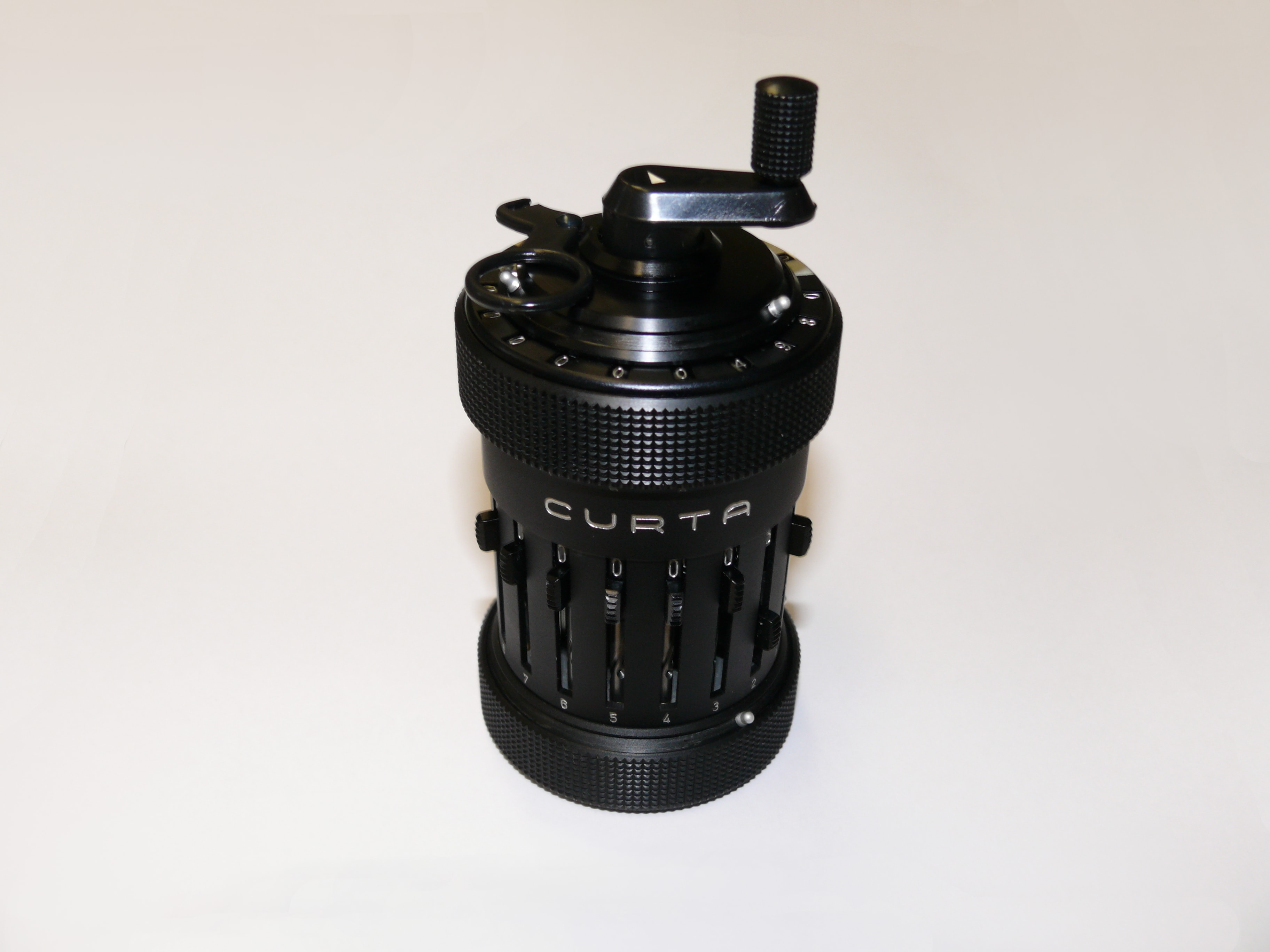
Arithmetic, turned by hand.
Two compact mechanical systems turn a hand movement into coordinated operations. Compare timing-state control with arithmetic.
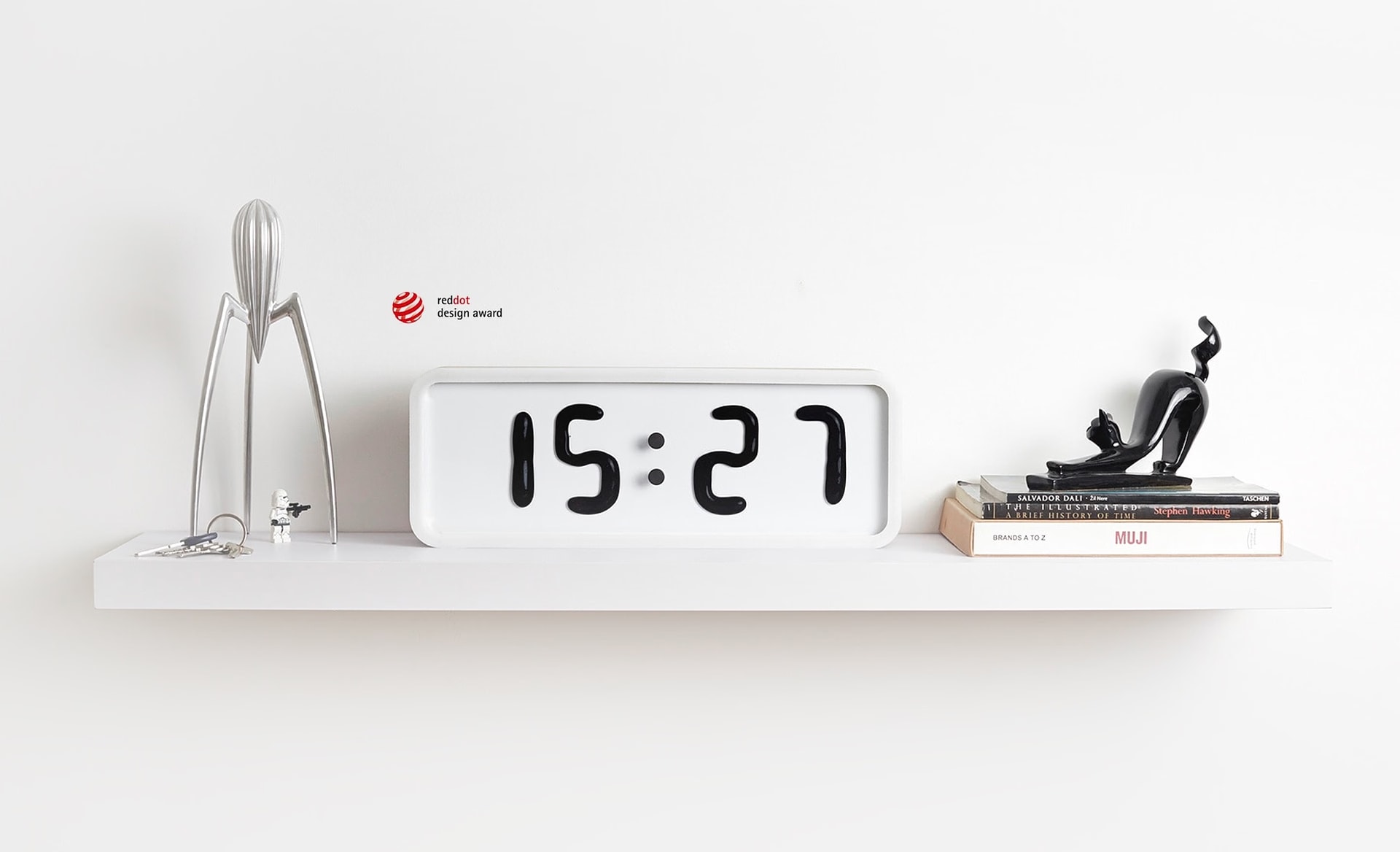
A clock made of liquid numbers.
Two radically different approaches to a clock’s interaction and display. A production watch mechanism and a liquid-number prototype have distinct maturity and constraints.