Separate a useful resource before it is diluted.
The effect that makes a teapot dribble can help a toilet separate urine. LAUFEN save! uses the bowl’s shape to guide a slower stream into a separate outlet. The original model is now listed as discontinued.
 CH Switzerland
In practice. The original save! toilet, introduced in 2019, developed with LAUFEN, EOOS and Eawag, including researcher Tove Larsen.
What to keep in view
The original save! requires appropriate use, separate plumbing and downstream treatment. It is distinct from later save!+ products; separation alone does not turn waste into a usable fertiliser.
Use surface behaviour to direct the flow
EOOS’s Urine Trap uses surface tension and a shaped edge. Faster flush water follows the main route, while separated urine needs its own piping, collection and treatment. The toilet is a front end for resource recovery. It does not itself turn waste into fertiliser.
Use the fixture’s geometry to keep a valuable stream separate before treatment becomes harder.
The fixture starts a larger system
Our reading: separation can begin before useful nutrients are diluted into mixed wastewater. A familiar fixture can therefore change the options available downstream, but only when the rest of the building and treatment route are designed to preserve that separation.
Read next.
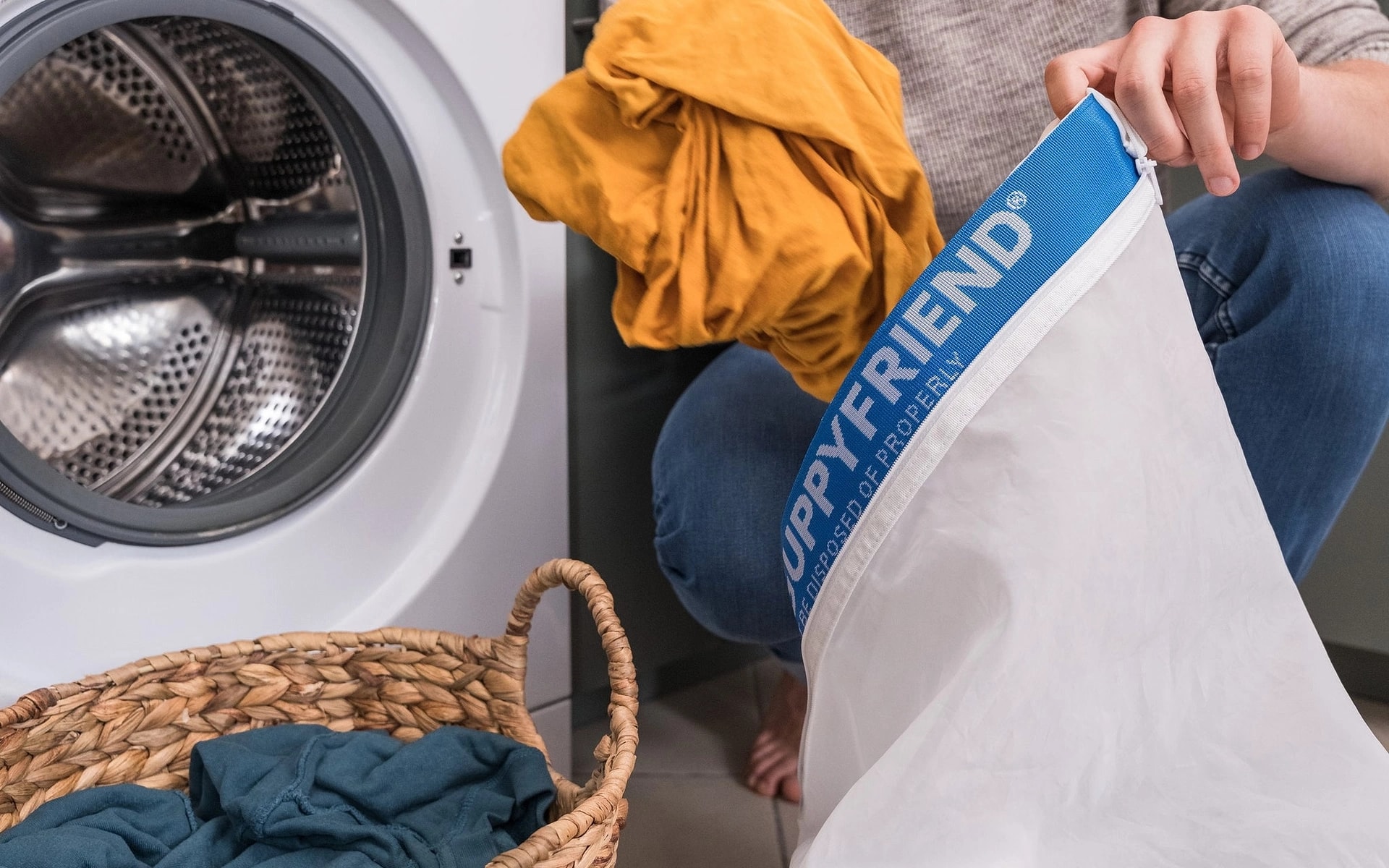
Catch fibres before they leave the wash.
Both separate a flow before it becomes harder to manage. What happens to the captured material afterwards remains part of the system.
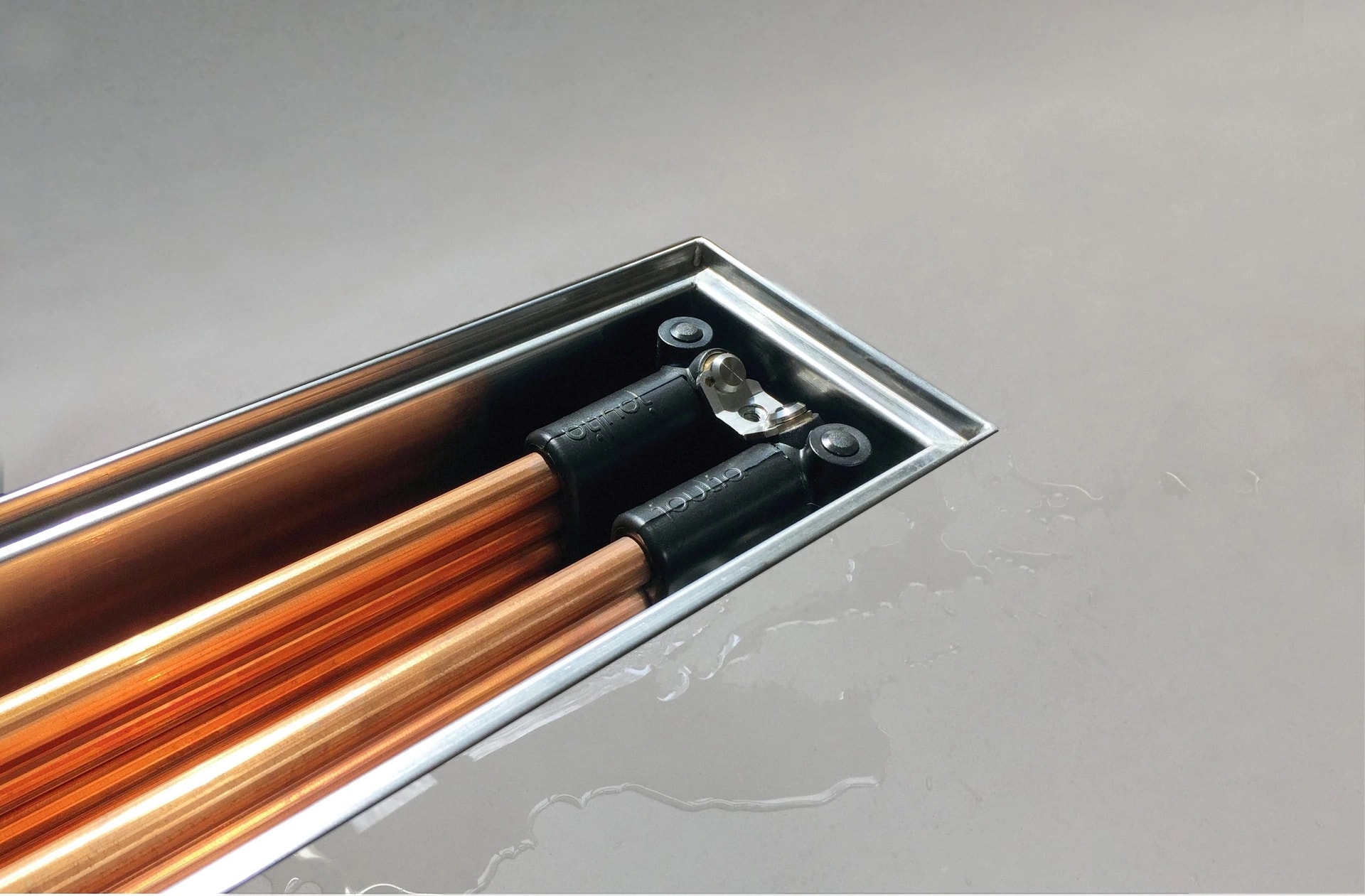
Recover the heat before the water leaves.
Both reconsider what leaves through a drain. One separates a resource-bearing stream; the other recovers heat while keeping water flows separate.