A phone designed to stay with you.
What if a worn-out battery or damaged part did not have to end a phone’s useful life? Amsterdam-based Fairphone makes repairability a visible part of the object people buy.
 NL Netherlands
In practice. Commercial modular smartphones with repair documentation and replaceable parts. The photograph shows Fairphone Gen. 6.
What to keep in view
The photograph shows Gen. 6, not Gen. 6+. Software-support dates are commitments. Repairability does not by itself establish how long owners keep a device or its full environmental advantage.
Designed to be opened
Fairphone builds smartphones with replaceable components and publishes repair support alongside the products. The Gen. 6, pictured here, uses accessible fasteners and modular parts, making the possibility of repair legible in the device itself.
The distinction is practical. A repairable object needs more than permission to open it: the replacement part must exist, the procedure must be understandable, and the repair must be feasible for its intended user or service provider. Those pieces determine whether an idea becomes a real option.
A CLOSER LOOKLook inside the repairable phone
Replace a part. Keep the phone.
Keeping the whole product useful
The company’s Gen. 6 product information lists twelve replaceable parts and a software-support commitment through 2033. These are manufacturer commitments, and their delivery over time is part of the story to follow.
Fairphone also publishes material, supply-chain and impact reporting. Its work makes a wider question easier to inspect: how do hardware, software and sourcing decisions affect the life of a product? Physical repairability alone cannot keep a device useful if another essential layer stops working.
A longer relationship with an object
Our reading: Fairphone turns an abstract argument about waste into something a person can do. Replacing a component creates a different relationship with a familiar device, where maintenance is expected rather than exceptional.
The environmental outcome still depends on what happens after purchase. Longer use, the repairs actually made and the purchase it replaces all matter. A phone designed to last offers a capability; evidence of longer real-world use is needed to understand how fully that capability is realised. The same question applies to many other everyday products.
Sources (3)
- Fairphone · Gen. 6 product and repair information
- Fairphone · Resources, policies and impact reporting
- Fairphone · Original photograph and licence
Read next.
A tiny repair with a much bigger effect.
Both separate a small failure from the fate of the whole product. The availability and fit of the replacement part make repair practical.
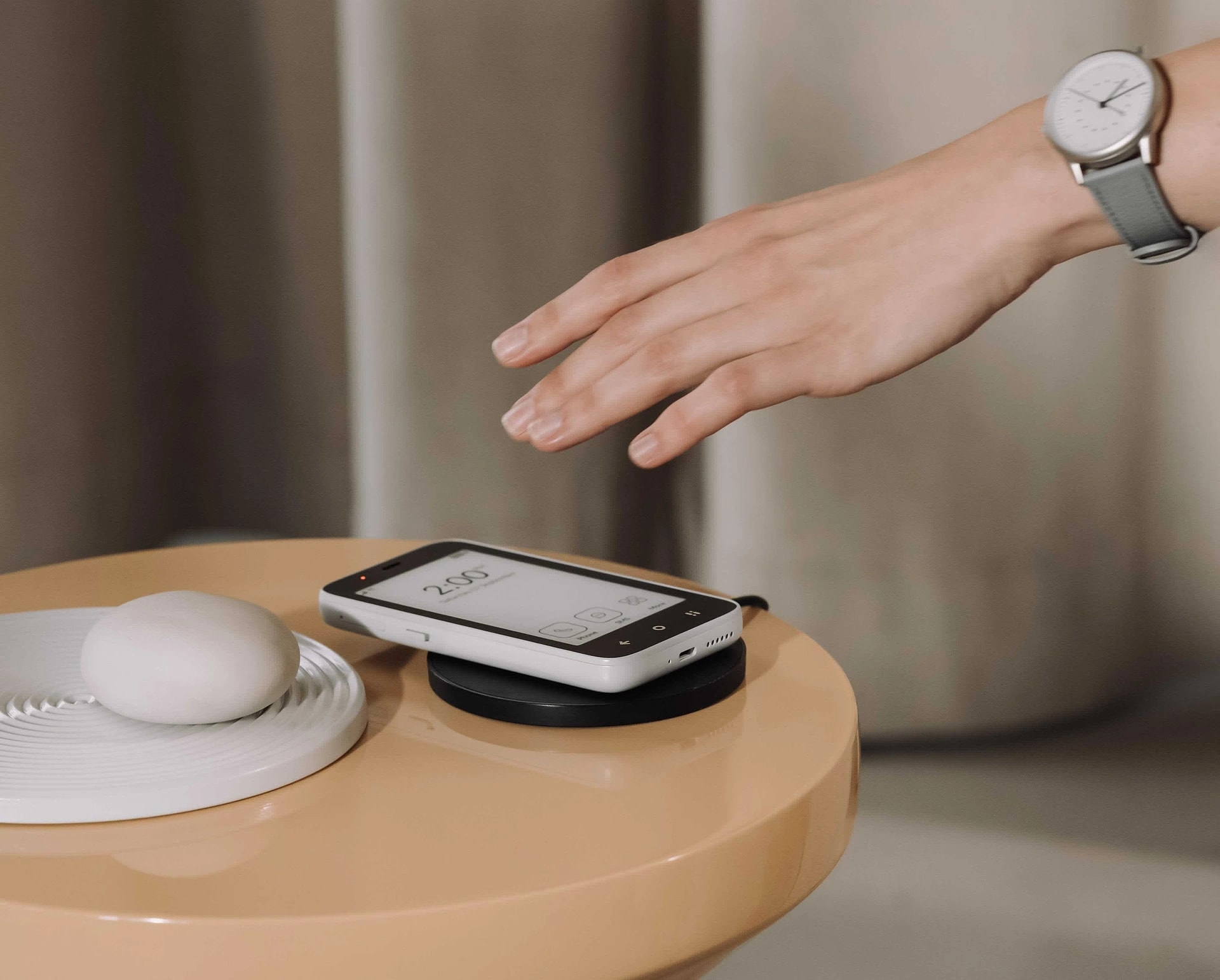
A phone with a deliberate offline state.
Two different design priorities for everyday electronics: control of attention and replaceable hardware. Neither removes the need for useful software and long-term support.