What happens when one part fails?
Fairphone, AIAIAI and gomi offer three routes to keeping an object. The difference is who does the repair—and what they need.
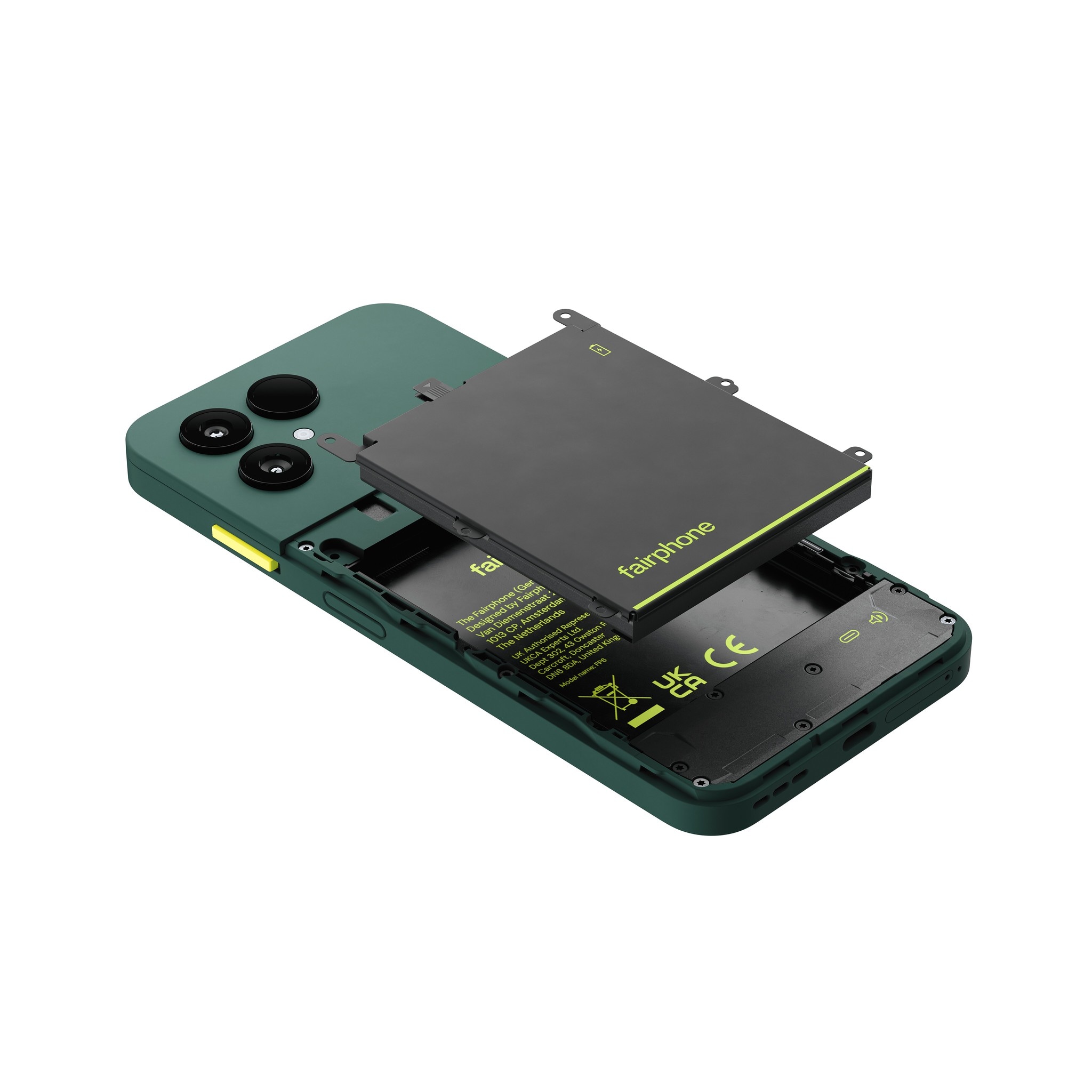
A worn battery should be a small problem. It becomes a much bigger one when the only convenient answer is a replacement device. “Repairable” sounds like a simple quality, but it can describe very different arrangements. We followed the parts, instructions and service routes behind three objects to see what that word asks of the owner.
Make the inside accessible.
iFixit’s July 2025 teardown of the Fairphone (Gen. 6) describes a back cover opened with two T5 Torx screws and a battery held by four screws and a cable. It also documents a separately replaceable USB-C port. These are observations from iFixit’s disassembly, not a hands-on test by Europe Innovate.
That is a more useful starting point than an abstract promise of longevity. You can identify a likely failure, see the part and understand the route to it. Access is not the same as universal simplicity, however: the teardown notes that the mainboard is not treated as a user-serviceable component. The relevant question is whether the repair you actually need is supported.
Source: iFixit: Fairphone 6 teardown, July 2025 ↗Make replacement part of the design.
AIAIAI describes the TMA-2 as separate speaker units, headband, earpads and cable. Its design-for-disassembly account points to repair guides and specifies a Phillips 00 screwdriver for opening the speaker units. Replacement is part of the product’s architecture, rather than an improvised workaround.
There are two distinct benefits here: replacing a worn contact surface such as an earpad, and working inside an electronic component. They demand different skills. Before treating modularity as permission to open anything, match the instructions and parts to the version you own. A useful system should make that identification straightforward; a diagram of detachable pieces is only the beginning.
Source: AIAIAI: design for disassembly and repair guides ↗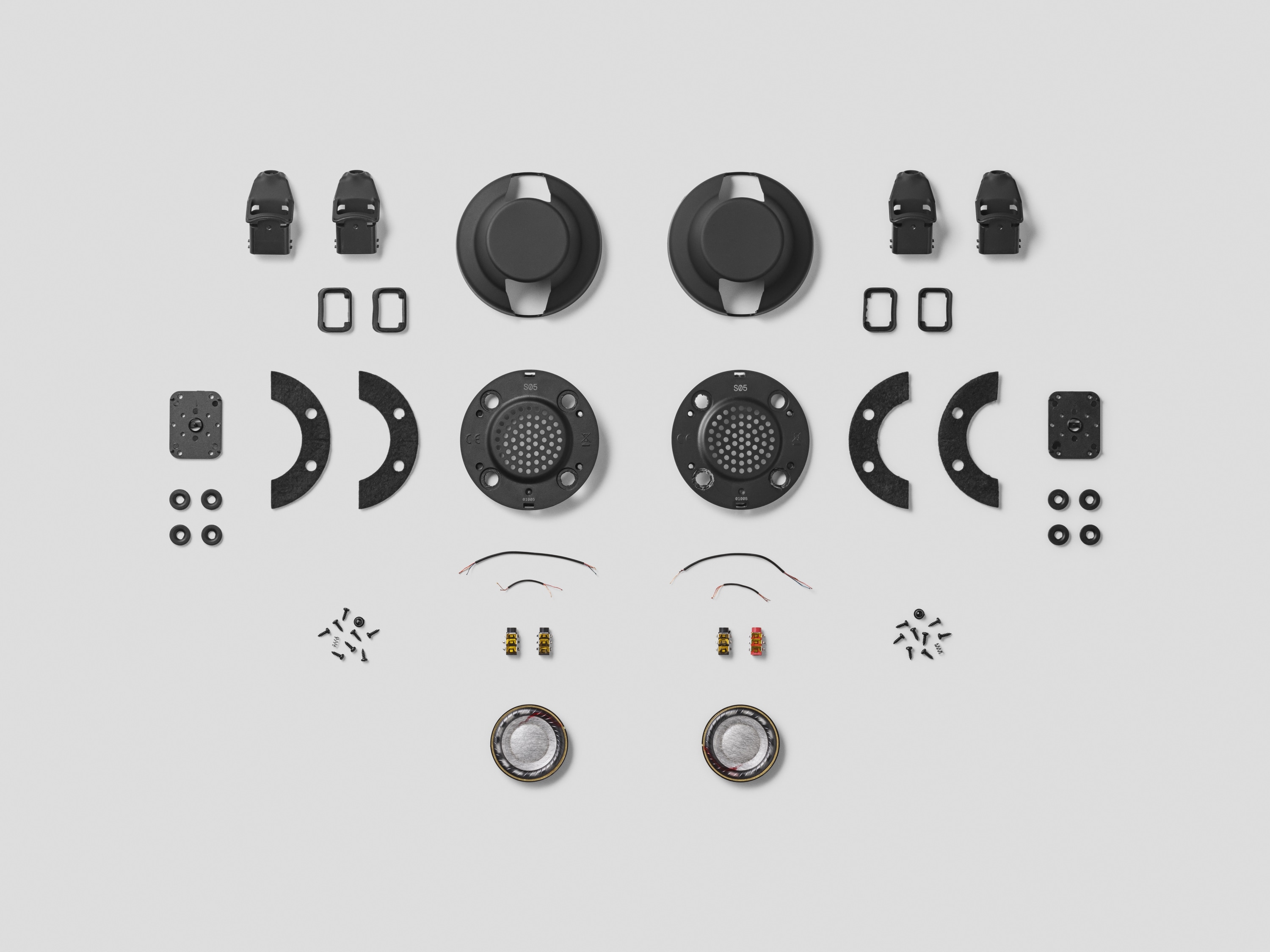
Or make the repair someone’s job.
gomi’s published repair offer takes another route: contact the maker and use its repair service. The studio describes modular construction as a way to replace what needs attention. Its stated arrangements distinguish warranty repairs from paid repairs and note that international shipping can add cost.
For someone who does not want to handle electronics, a service can be more meaningful than a promise of do-it-yourself access. But it moves the dependency: the owner now relies on an available workshop, a workable return journey and clear terms. This is a different relationship from ordering a component and fitting it at home. Both deserve to be explained before purchase.
Source: gomi: repair service and terms ↗
What to look for.
Identify your model, the failed part and its repair guide.
Match parts and instructions to your exact version.
Check the return route, service terms and shipping from your country.