Turn a muscle signal into a useful grip.
A prosthetic hand has to work with a person, not simply move its fingers. Esper’s approach combines sensing and actuation with the slower work of fitting and learning.
 UA Ukraine
In practice. Esper Bionics develops myoelectric hands, with production and development in Ukraine and an international business. Its Ukrainian programme works with prosthetic and rehabilitation centres.
What to keep in view
Suitability and outcomes are individual and require clinical assessment. Models have different limits; water resistance, grip strength and marketing demonstrations should not be generalised to every user or device.
Read the signal, configure the response
Electrodes on the skin detect electrical activity in the remaining muscles. The prosthetic system translates those signals into movements and grip selection. Clinical configuration and practice help connect the available signals with the user’s intended tasks.
Esper’s current second-generation hand uses six motors and offers configurable grip shortcuts. The company also provides software for clinicians to adjust settings. The photograph shows an Esper user in an everyday activity; it is not a specification image of a particular generation.
Keep support close to the person
Esper’s Ukrainian programme works with fitting centres, rehabilitation professionals and donors supporting the prosthetic pathway. Local manufacturing and service can make maintenance and adjustment more accessible than a device whose support is entirely abroad.
The meaningful result is not the number of motors. It is whether a person can use a chosen grip reliably in an activity that matters to them. Socket fit, training, repairs and individual goals remain central to that outcome.
Read next.
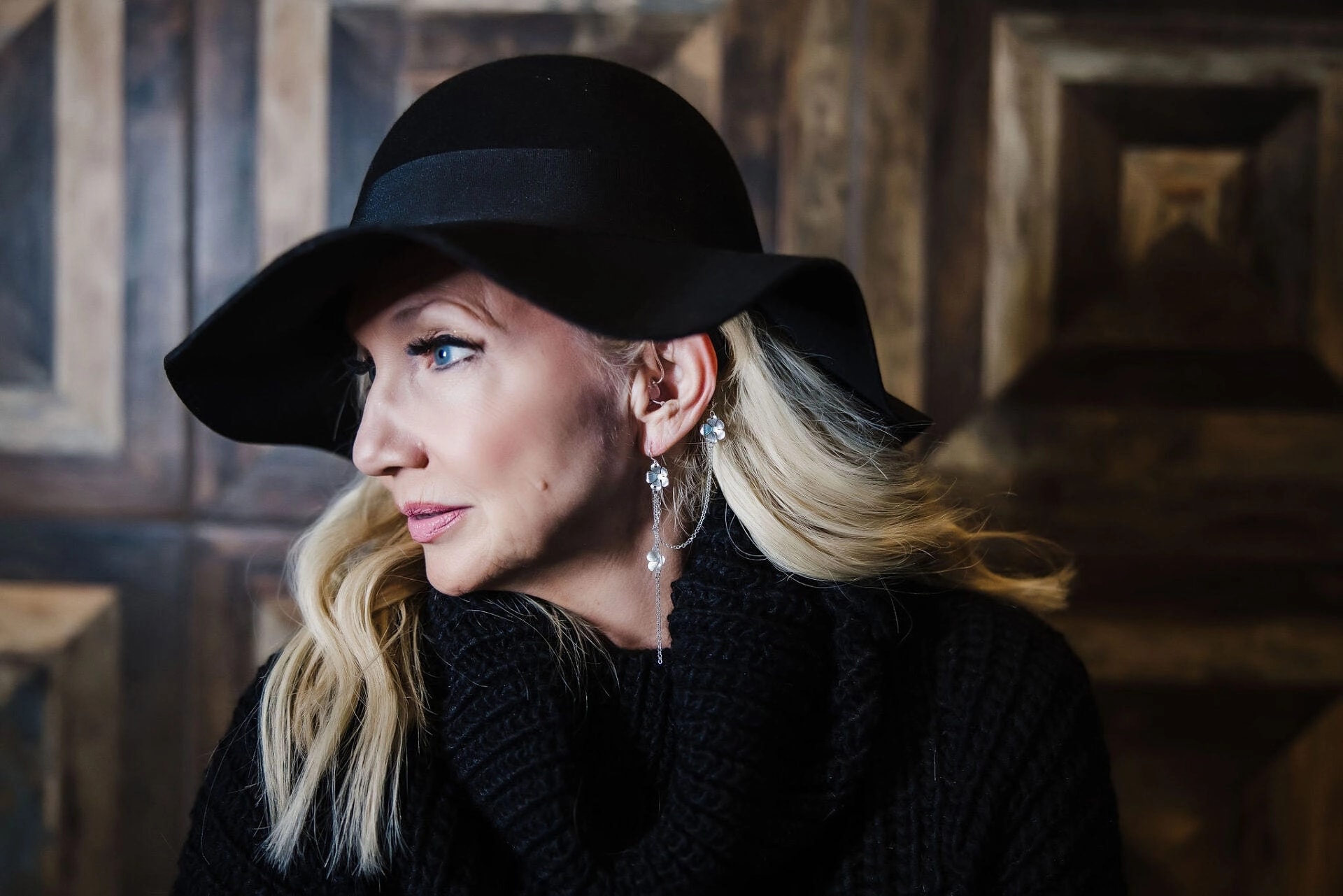
A hearing aid can be part of your style.
Both connect assistive hardware with the experience of its wearer. Compare a prosthetic control system with a way to secure and personalise a hearing device.
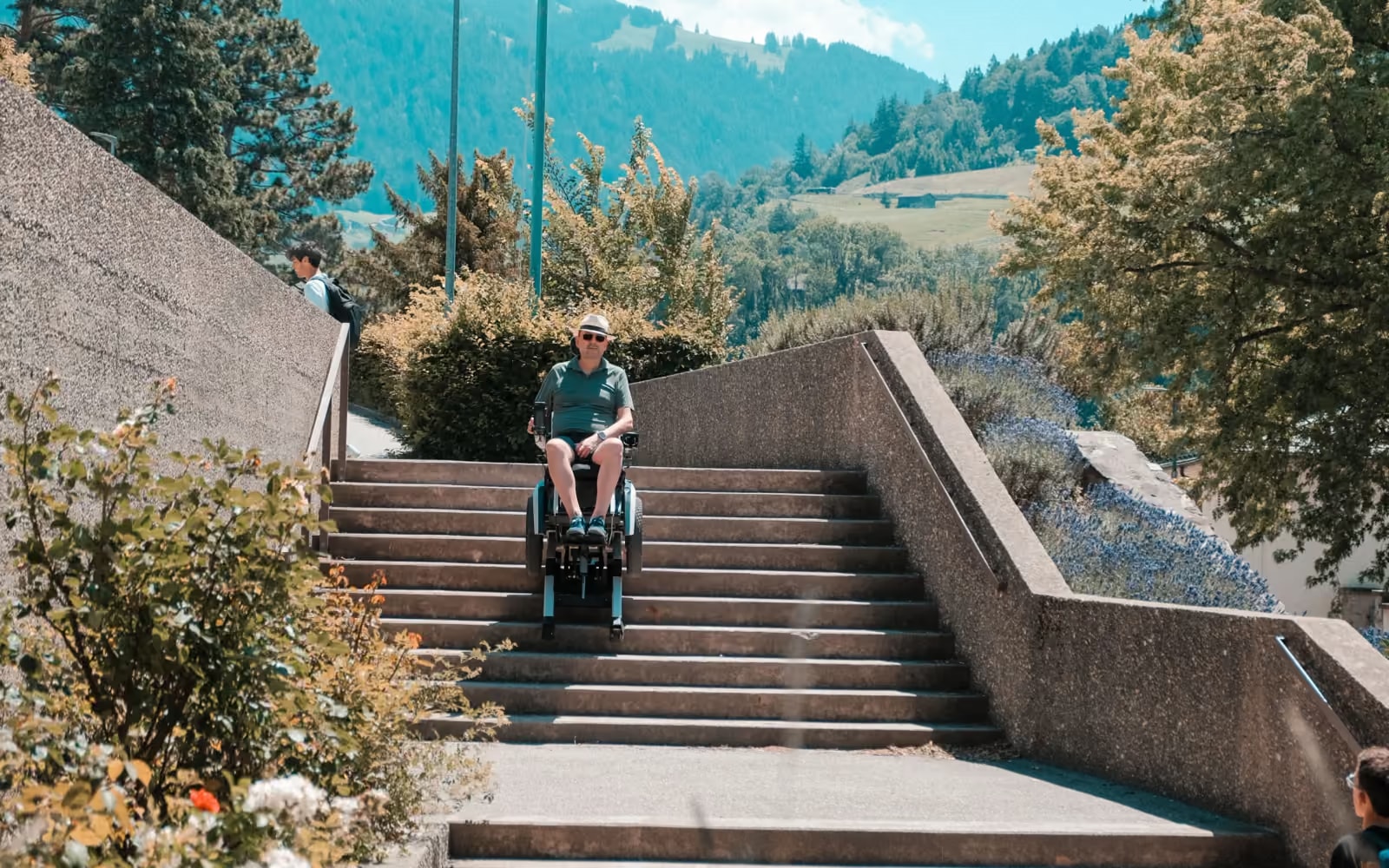
When access moves with you.
Both need a capable object and the right fit for a person’s circumstances. Real tasks, training and support determine usefulness.