A different way past the stairs.
A flight of stairs can decide which places someone can enter. Scewo BRO approaches that obstacle through the wheelchair itself, while making the conditions for safe use part of the product.
 CH Switzerland
In practice. A manufactured wheelchair with balancing drive and stair-climbing modes. Use is governed by individual assessment, training and the manual.
What to keep in view
BRO is not suitable for every person or staircase. Individual assessment, training and the applicable user manual govern use; this editorial case is not operating or medical advice.
Two kinds of movement
Developed in Winterthur, BRO is an electric wheelchair with a balancing drive system and integrated stair-climbing tracks. The change of mode gives the same device a way to travel on level ground and negotiate certain stairs.
The practical value lies in the places that may become reachable: an entrance, a familiar building or part of a daily route. That possibility depends on the individual, the site and the device’s operating requirements. It cannot be inferred from a demonstration alone.
The limits belong in the story
Scewo’s operating guidance distinguishes suitable, unsuitable and more demanding stair conditions. Its stair assessment asks users to check step height and depth against the device’s specifications. Training and assessment are essential parts of the system.
This makes the detail worth reading alongside the photograph. A staircase is not one standard object, and a successful ascent does not establish that every route is safe. Surface conditions, space to manoeuvre and the user’s needs all belong in a real assessment.
More choice, alongside better buildings
Our reading: BRO’s contribution is to make another form of access available to some wheelchair users. It brings part of the capability with the person, which may matter where changes to the built environment are slow or difficult.
Accessible entrances and public spaces remain essential. A personal device should expand choice without becoming a reason to leave shared environments inaccessible. The meaningful outcome is greater participation in everyday life, supported by suitable equipment, reliable service and places designed for everyone.
Read next.
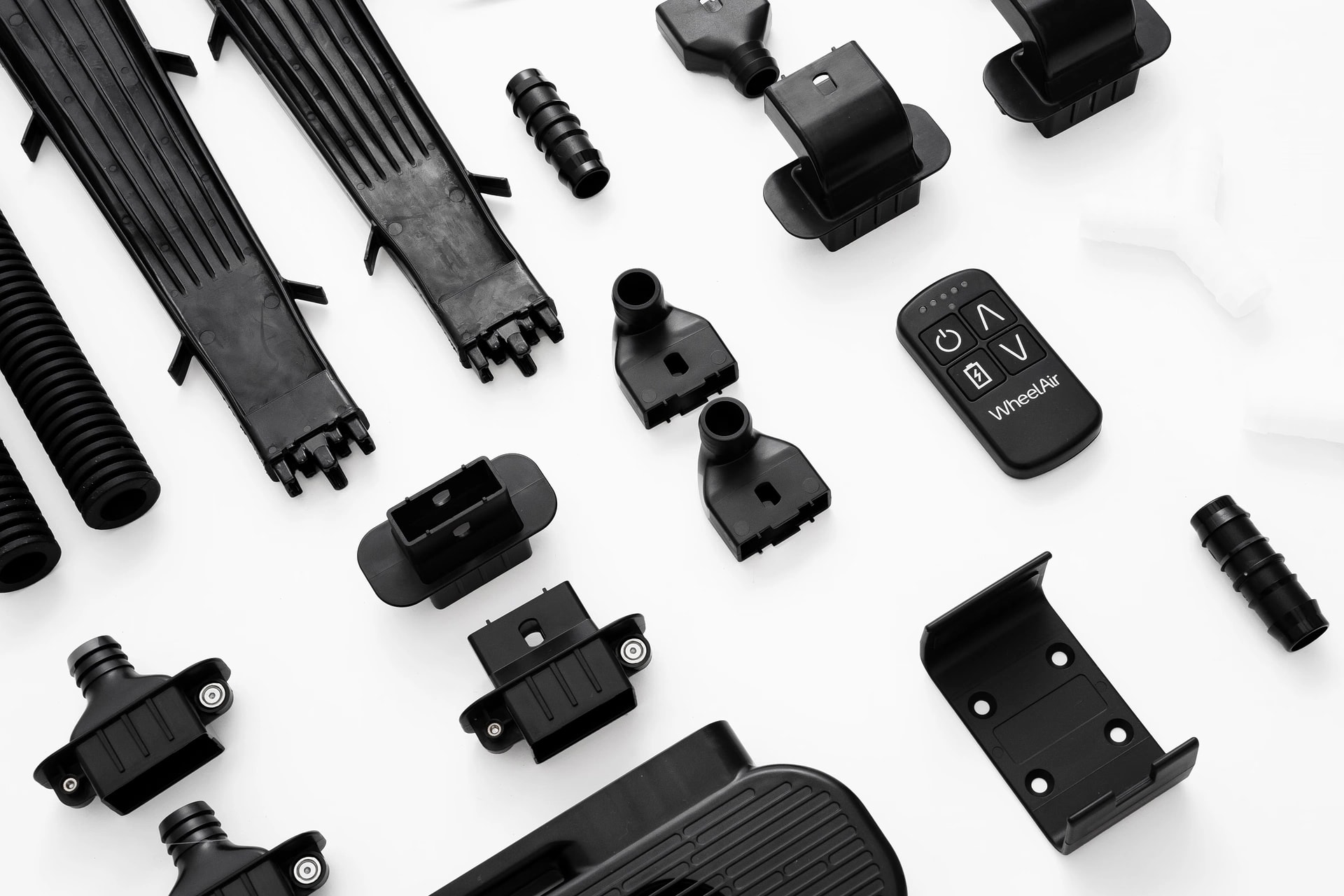
Design cooling into the wheelchair backrest.
Both begin with a wheelchair user’s experience, but address different barriers: thermal comfort and movement across changes in level.
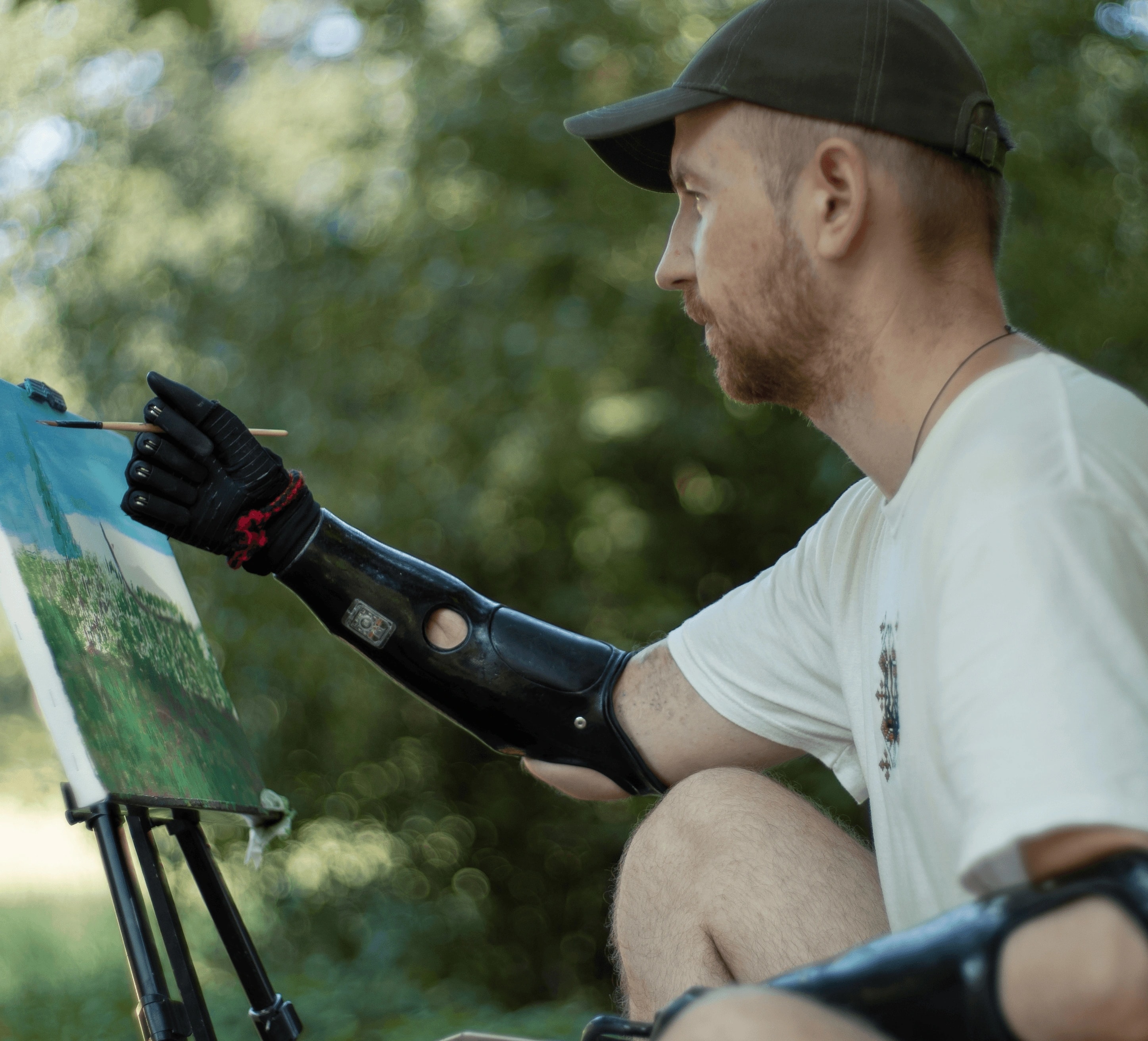
Turn a muscle signal into a useful grip.
Both need a capable object and the right fit for a person’s circumstances. Real tasks, training and support determine usefulness.