A more efficient appliance needs a way into the home.
An efficient refrigerator does little for a household that cannot afford to replace the old one. Moldova’s voucher programmes address that gap, including what happens to the appliance being replaced.
 MD Moldova
In practice. UNDP’s August 2024 pilot report records 7,246 large appliances replaced and recycled. A later state EcoVoucher programme continues the approach.
What to keep in view
Programme counts come from the implementing organisations. The cited savings are estimates, not household-level metering. Pilot figures, later state rounds and eligibility rules must not be mixed. The photograph documents a later CNED beneficiary story from July 2025.
The intervention is the whole transaction
The earlier EU-funded programme combined vouchers for eligible households with participating retailers and take-back of old equipment. Replacing an appliance therefore included a route for removing the old one.
Later government and CNED documentation describes the state EcoVoucher programme. Its results belong to a different stage and should not be merged with the earlier programme’s totals.
Make adoption part of the design
Our reading: the programme treats the purchase barrier and the old appliance as part of the energy-efficiency problem. A better product becomes more useful when the route to adopting it is designed too.
The next question is performance in actual homes. Eligibility, retailer availability, co-payment and household use all influence the result; projected electricity savings should remain clearly distinguished from metered outcomes.
Programme-reported result · Reported 2 August 2024
7,246 large appliances replaced
UNDP reported that 3,819 refrigerators, 3,391 washing machines and 36 electric stoves were replaced, with the old appliances sent for recycling.
What this tells us. The larger headline count of 39,084 redeemed vouchers also included light bulbs. Neither figure is a measurement of household energy saved.
Read next.
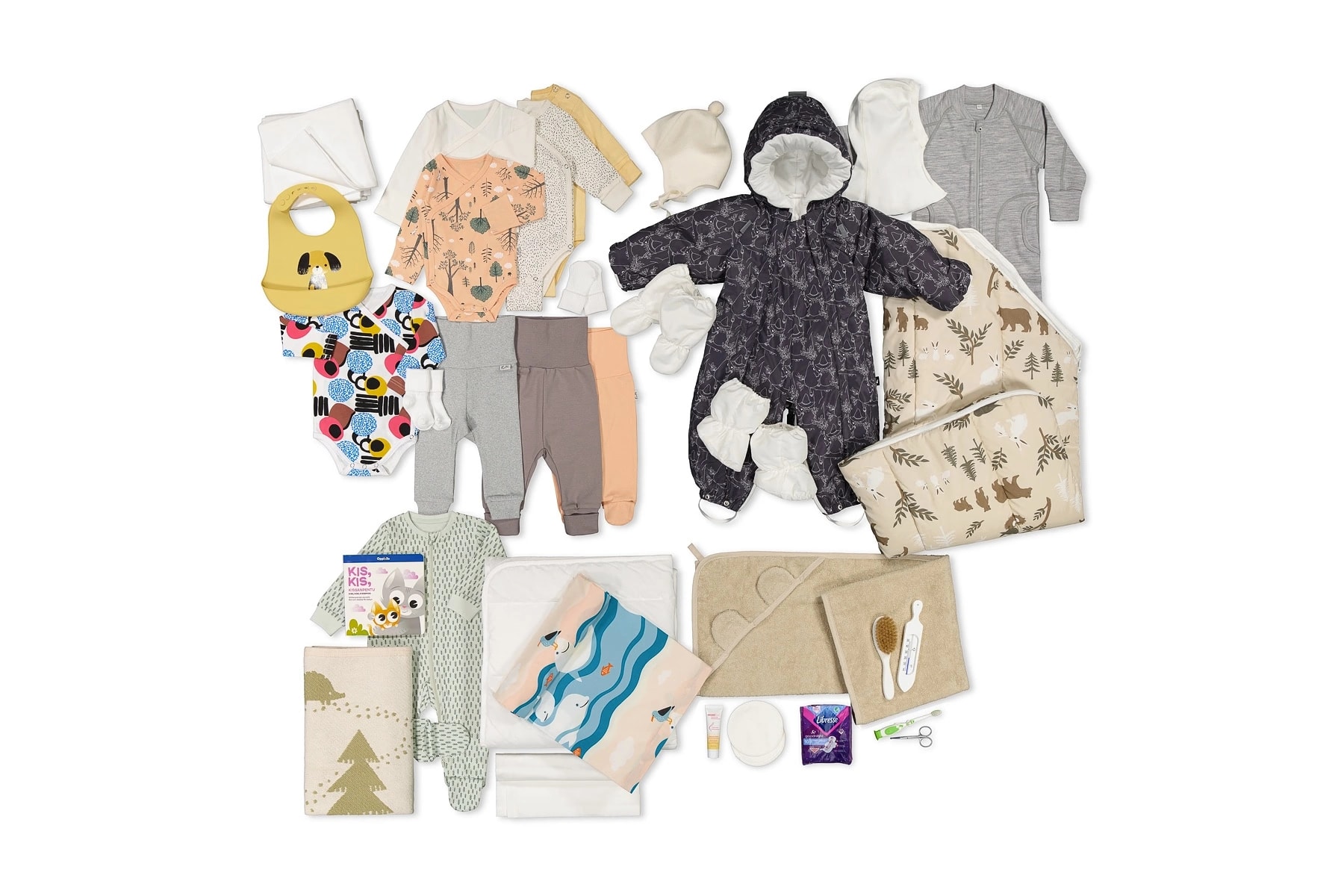
Make a useful start part of a public service.
Compare a bundle of useful goods with a targeted replacement programme. Eligibility, distribution and choice belong to the service design.
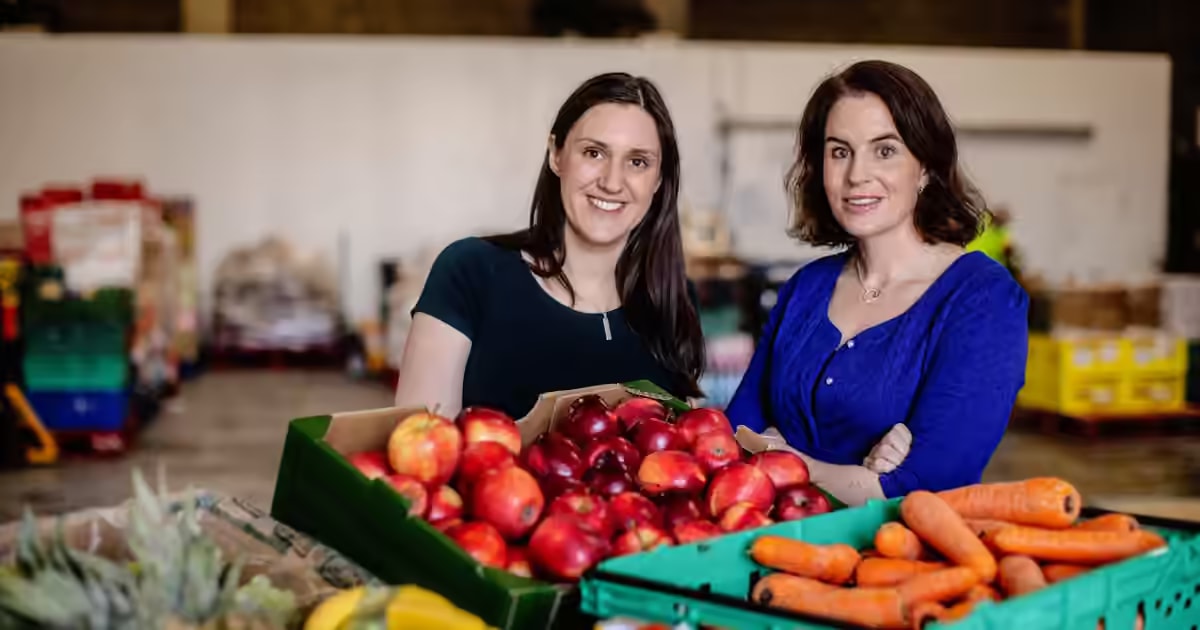
Connect surplus with somewhere useful.
Both make the delivery system as important as the useful goods. Appliance replacement and surplus-food redistribution depend on eligibility, logistics and a responsible onward route.