Give captured carbon a mineral form.
At an Icelandic geothermal power plant, carbon dioxide is dissolved in water and sent into reactive rock. Silverstone turns carbon storage into a process tied to the geology beneath the plant.
 IS Iceland
In practice. Opened at Hellisheiði in June 2025. Carbfix publishes an expanded capture capacity; actual annual stored volumes require separate operating data.
What to keep in view
Mineral storage depends on suitable geology, water, energy and monitoring. Planned capture capacity is not a measurement of annual CO₂ permanently stored. The photograph shows Carbfix technology in context, not a verified view of the Silverstone capture plant.
Capture emissions where they are produced
Silverstone serves the Hellisheiði geothermal plant. It captures carbon dioxide from the plant’s gas stream, dissolves it in water and injects that water underground. In suitable basalt, the dissolved carbon reacts with minerals in the rock to form solid carbonate minerals. The intention is to store the carbon in that mineral form rather than keep a reservoir of free gas.
This is point-source capture: the feed comes from a particular industrial facility. It should not be confused with a direct-air-capture plant that removes dilute carbon dioxide from the atmosphere. The distinction matters when describing what the project can achieve.
Read capacity as capacity
Silverstone opened in June 2025. Carbfix describes the expanded installation as capable of capturing up to 34,000 tonnes of CO₂ per year once fully commissioned, compared with the earlier system’s 12,000-tonne capacity. That is a design capacity, not a statement that 34,000 tonnes have already been stored in a particular year.
Our reading: the useful lesson is to design capture and storage around a real site. A suitable gas stream, water supply, energy, reactive geology and monitoring all have to work together. A process demonstrated in Iceland cannot simply be moved elsewhere without checking those conditions. Avoiding emissions remains a separate task from storing the emissions that remain.
Operator-reported capacity · Silverstone opened June 2025
Up to 34,000 tonnes of CO₂ per year
Carbfix describes this as Silverstone’s expanded annual capture capacity once fully commissioned.
What this tells us. Capacity is not a measured annual volume captured or mineralised. The site captures emissions from a geothermal plant, not directly from the air.
Read next.
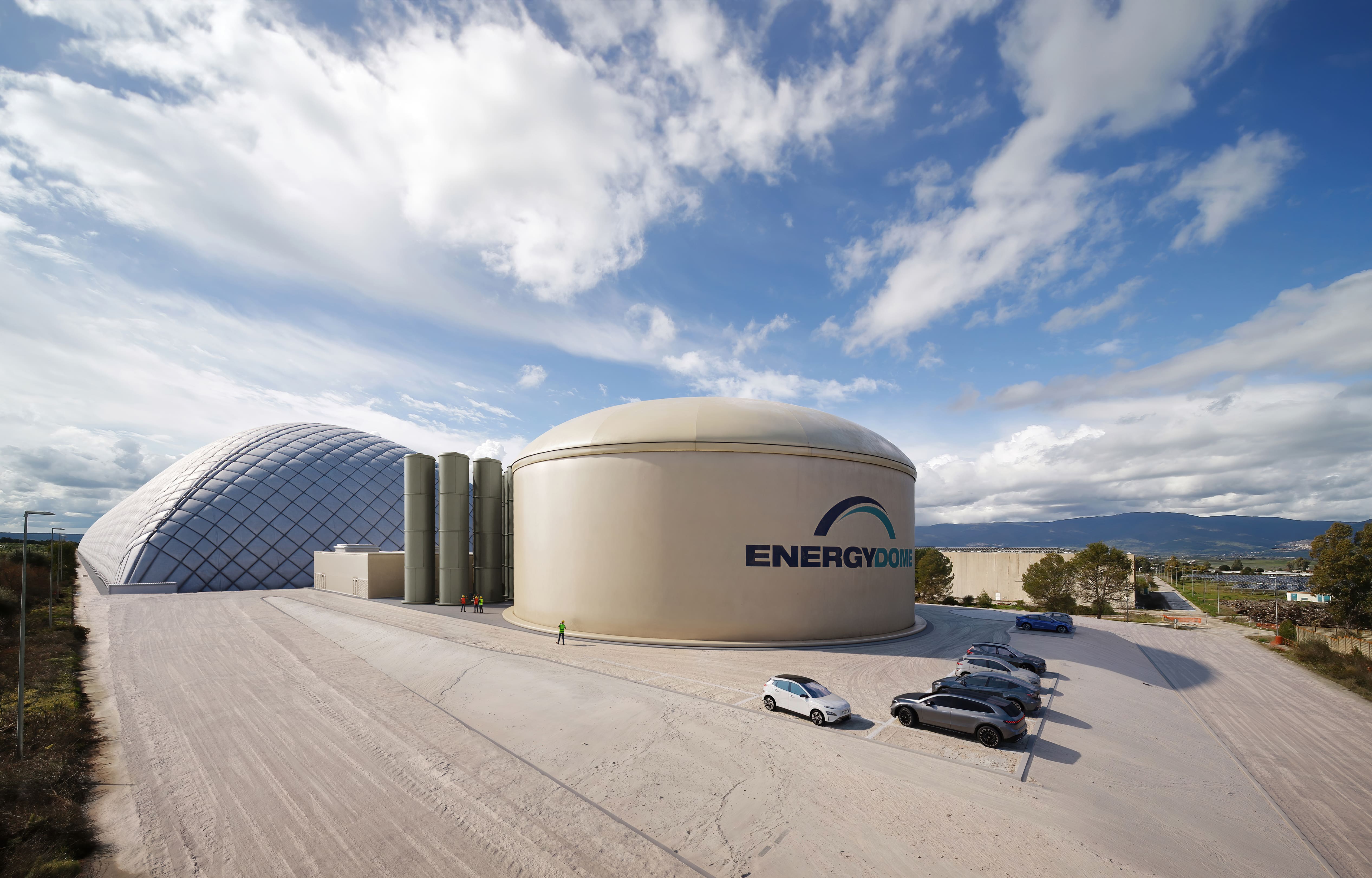
Store energy in a change of state.
Carbon dioxide has very different jobs here: Carbfix seeks permanent mineral storage, while Energy Dome cycles it to store energy. Keeping carbon out of the atmosphere and storing electricity are distinct outcomes.
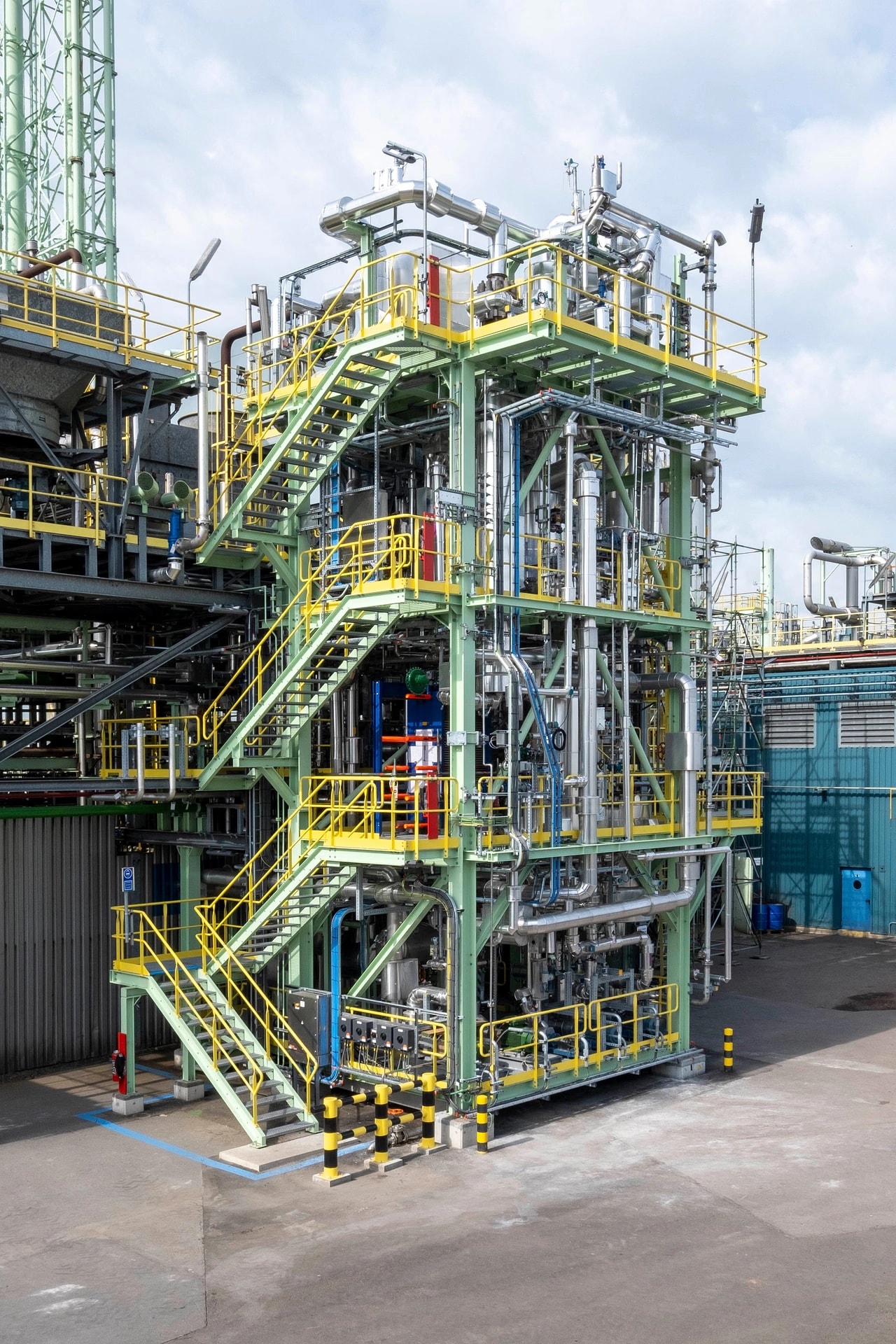
Give waste heat a more useful temperature.
Both intervene in an industrial energy system. Capturing and mineralising carbon dioxide addresses emissions after they arise; recovering useful heat can reduce an energy requirement. Their outcomes need different measurements.