Moving a mountain takes a system.
Built in Zhodzina, the BELAZ 75710 brings diesel-electric drive, steering and load management together for an unusually demanding mining task.
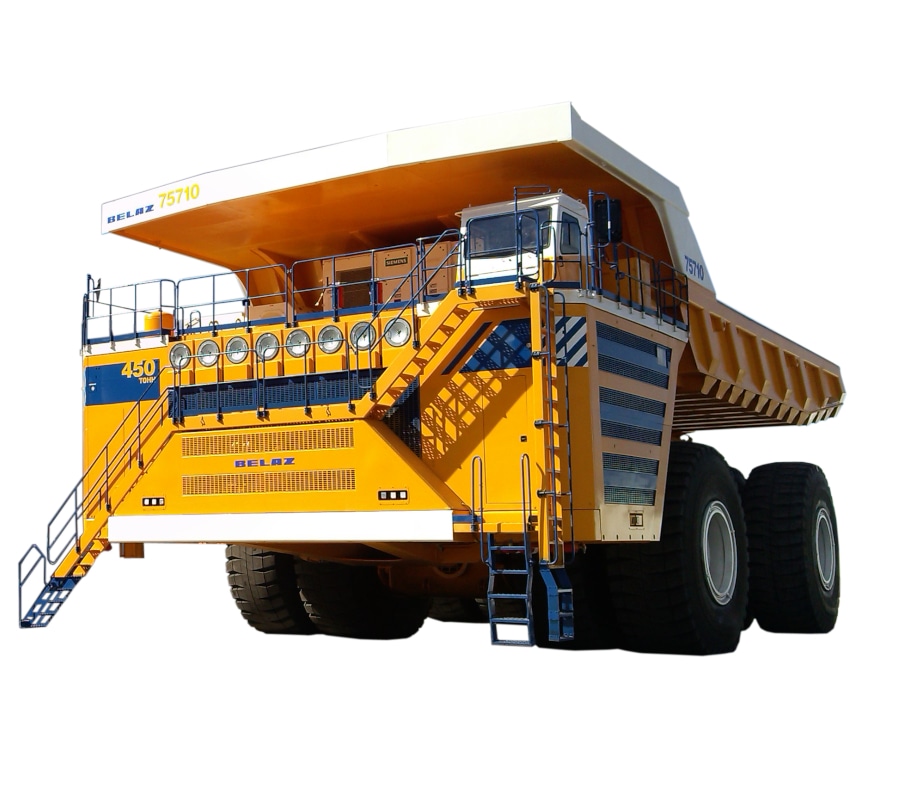
In practice. A mining truck introduced in 2013 with a rated 450-tonne payload, diesel engines and electric transmission.
What to keep in view
This is a diesel-powered mining vehicle with electric transmission, not a zero-emission truck. Rated capacity and supplier specifications do not establish productivity or environmental advantage at every mine.
Start with the load
Introduced in 2013, the BELAZ 75710 was designed for a rated payload of 450 metric tonnes in open-pit mining. Its size is striking, but the more useful engineering story is how the vehicle’s systems work together.
Two diesel engines supply a powertrain with electric transmission. The manufacturer’s product information describes all-wheel drive and steering through two rotating axles. The electrical drive controls how power reaches the wheels while the chassis, tyres and brakes deal with the load.
Judge it against its actual job
A mining truck operates within a larger system of loading equipment, haul roads, maintenance and dispatch. Capacity is useful only when those surrounding operations can support it. A bigger truck can also introduce different constraints on infrastructure and servicing.
Our reading: this is an example of specialised systems engineering, rather than a universal argument for larger machines. It makes the relationship between the task, the powertrain and the operating environment unusually visible.
Read next.
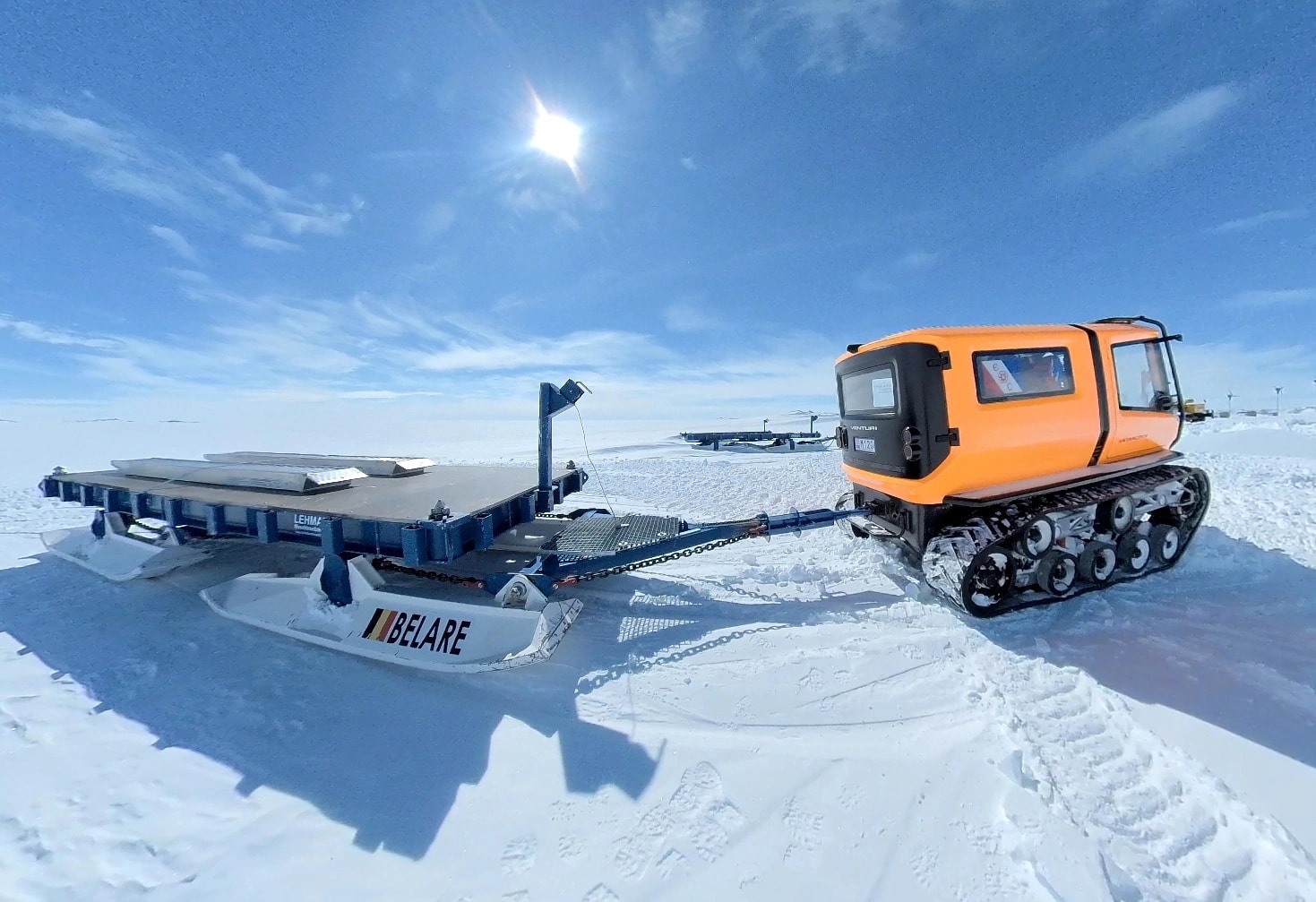
Antarctica becomes the testing ground.
Both organise a vehicle around an extreme working environment. Moving a very heavy mining load and transporting people and equipment over Antarctic terrain are different engineering briefs.
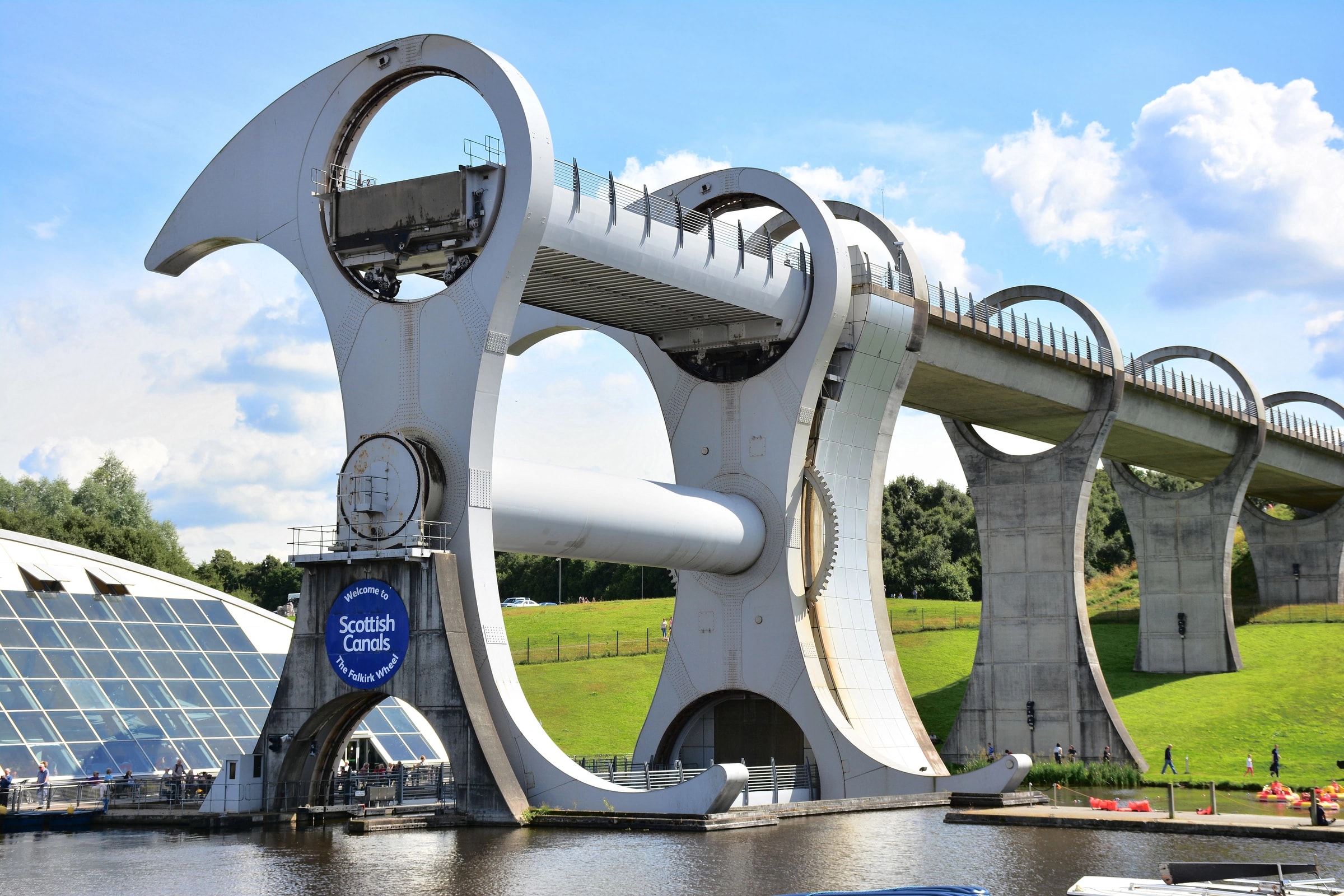
A boat ride that turns a corner in the sky.
Both move large loads by treating the whole mechanism as a system. Hauling material and lifting balanced boat-filled caissons have very different energy demands.