Keep the material close to the idea.
An exhaust is the visible product. The deeper change is a development loop that keeps titanium casting, metallurgy, forming, tooling and testing close enough to learn together.
 SI Slovenia
In practice. An in-house titanium foundry, established in 2008, forms part of an integrated manufacturing and testing system.
What to keep in view
The public record establishes the connected capabilities and several product-specific results. It does not quantify how much integration reduces development time, cost or failure compared with specialist supply, and broad performance claims still require comparable product tests.
Keep material expertise near production
Akrapovič established its in-house titanium foundry in 2008 and launched it within the wider production system in 2009. It sits alongside materials testing, toolmaking, forming, acoustic engineering and durability testing, letting the company develop cast geometries and exhaust systems around titanium's actual behaviour instead of treating the metal as a substitute for steel.
Vertical integration is not the innovation on its own. It matters here because alloy choice, tool geometry, casting, welding and use testing constrain one another. Keeping those decisions connected lets material evidence return to the next design inside the same production system.
Shorten the loop between a test and a change
Akrapovič moved a critical product constraint inside the company. It built the material capability that helps determine which exhaust geometries can exist, not only the capacity to assemble them.
Sources (5)
- Akrapovič · Design and technology
- International Titanium Association · Lightweight and high performance titanium exhaust systems for Porsche sports cars
- Journal of Cleaner Production · Recycling of alpha-titanium technological scrap for exhaust system parts manufacturing
- BMWBLOG · Inside Akrapovič: Racing Pedigree, Titanium Mastery, and Slovenian Precision
- Akrapovič Foundry · About Akrapovič Foundry
Read next.
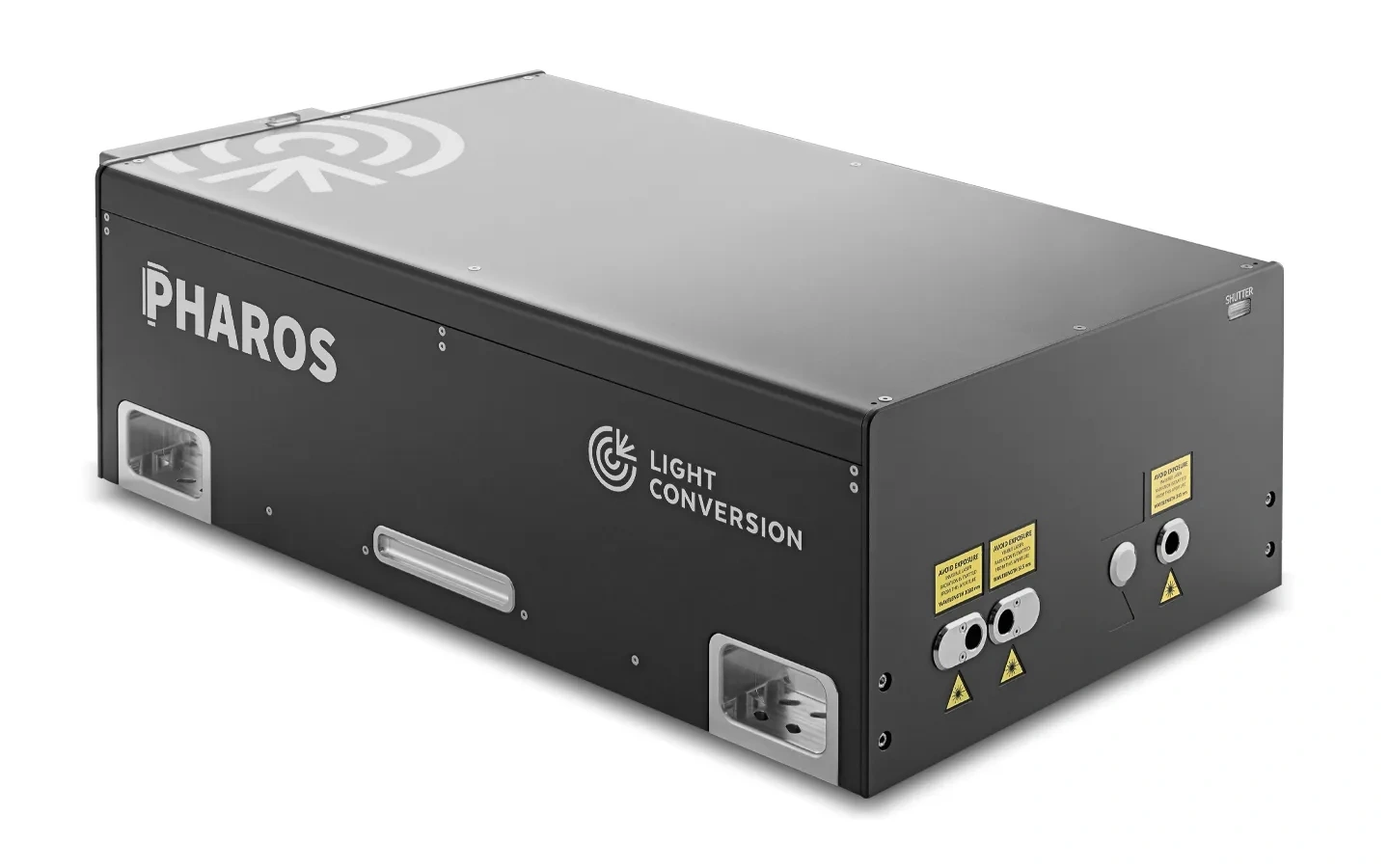
Laser pulses measured in femtoseconds.
Both show that manufacturing capability can be an innovation in itself. Precision has to survive repeatable production and integration.
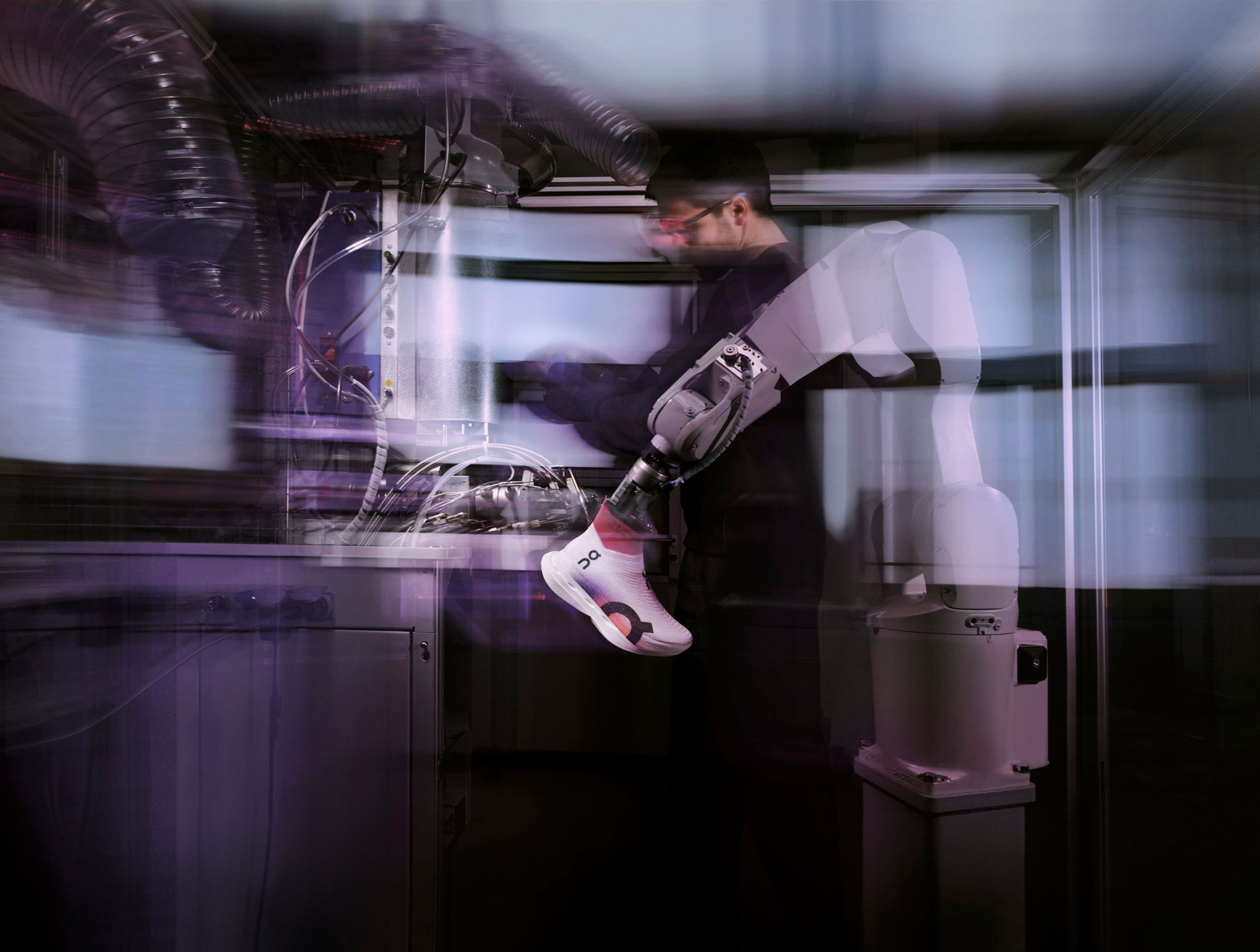
The robot makes the upper.
Both connect product design closely with a specialised manufacturing process. Compare control of titanium fabrication with a robot forming a shoe upper directly.