A school where learning travels sideways.
At 42, the person who helps you understand a problem may be another student. The school makes that exchange central to the curriculum, rather than leaving it to chance.
 FR France
In practice. A programming-school model founded in Paris in 2013, organised around projects and peer learning rather than conventional lectures.
What to keep in view
42’s descriptions and outcome figures are institution-reported. Free tuition does not remove selection, living costs or time demands; admission rules and local provision should be checked with the relevant campus.
Start with something to solve
Founded in Paris in 2013, 42 offers a tuition-free programming model organised around practical projects. Its published approach replaces conventional lectures with research, experimentation, group work and explanations between peers.
Pedagogical staff still design and support the learning environment. Students evaluate one another using defined grading scales, so assessment becomes another occasion to inspect an approach and explain why it works. The absence of a lecture does not mean the absence of educational design.
Make understanding visible
The model asks learners to test a solution, recognise mistakes and revise it. Explaining work to someone else becomes part of progressing through the programme. A result has to survive both the technical challenge and another person’s questions.
Our reading: the useful shift is from receiving an explanation to participating in a structured exchange. Giving help can expose gaps in the helper’s understanding, while reviewing a different solution introduces another way to approach the same problem.
Access involves more than tuition
42’s current programme information states that adult applicants do not need a previous degree or coding experience. Entry still involves selection, including an intensive discovery period for candidates who pass the initial steps.
Tuition-free study removes an important cost, but time, living expenses and the ability to sustain self-directed work remain relevant. This makes completion and learner experience important evidence to seek. The model offers a different route into programming; it should not be presented as equally suitable for every person or as a guaranteed employment outcome.
Read next.
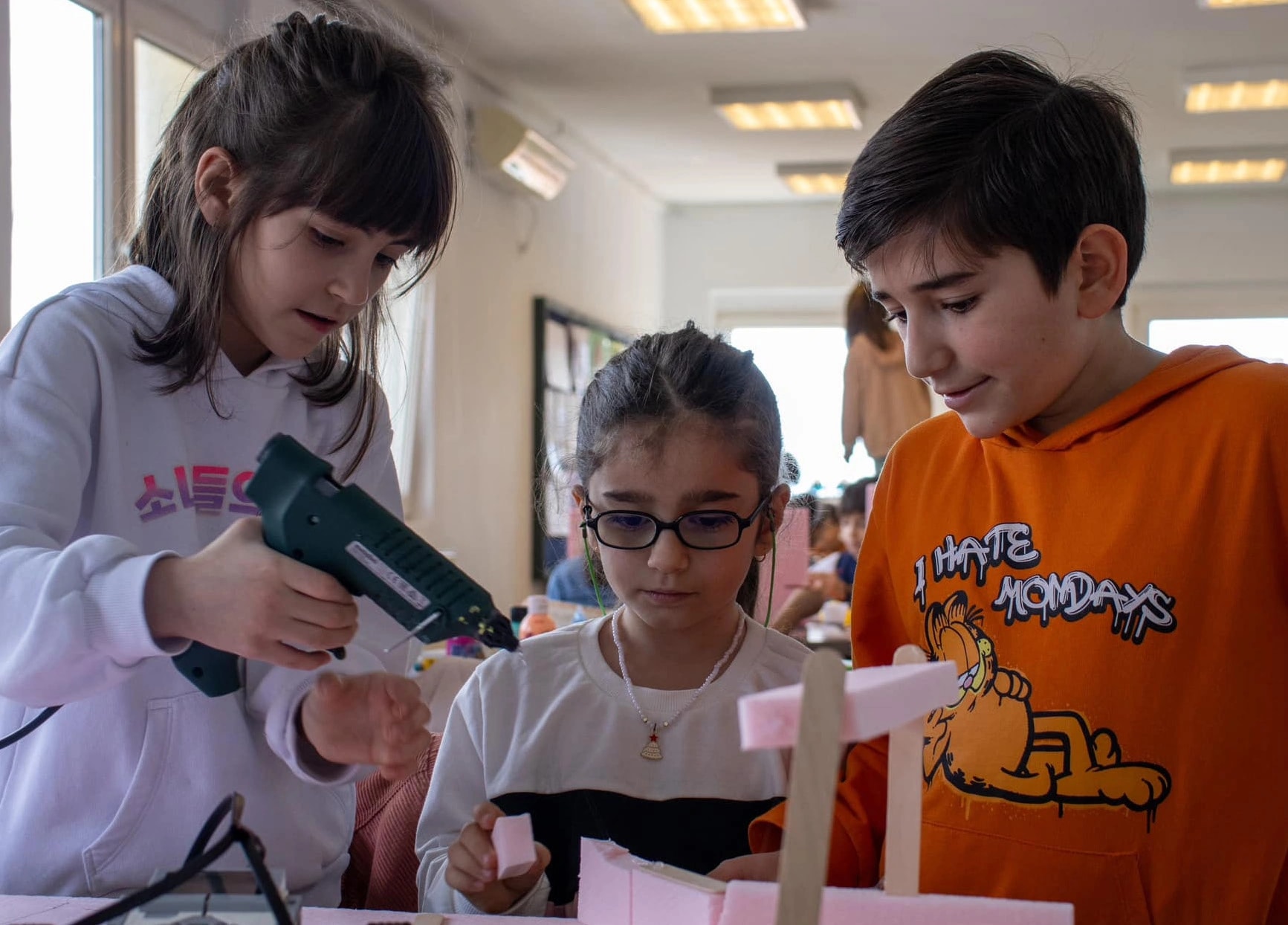
From using technology to making with it.
Both organise learning around doing. Compare mentored making with a peer-learning school built around programming projects.
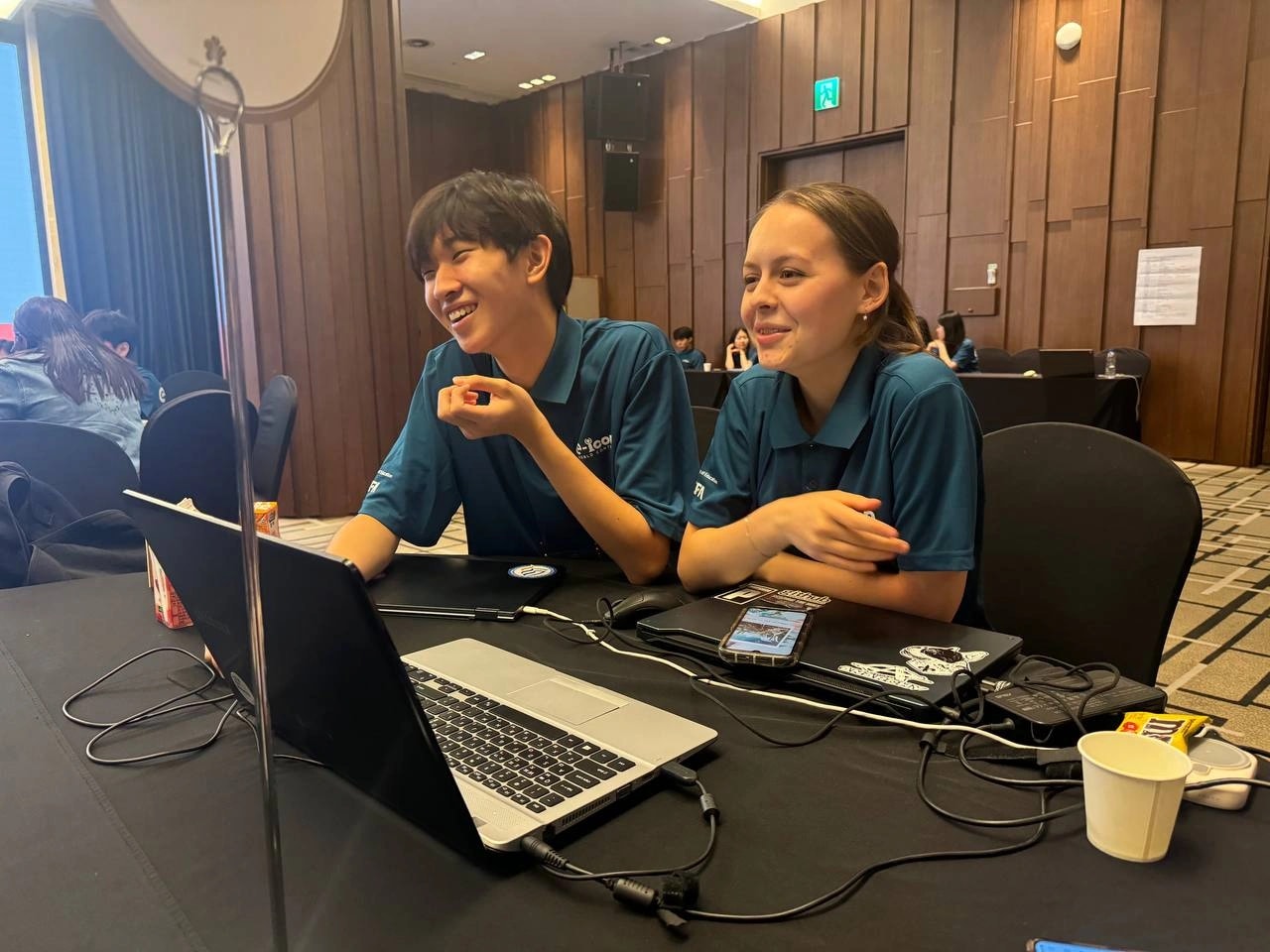
Put digital skills on the timetable.
Both make digital skills a learning programme rather than a standalone tool. Peer-led project work and courses delivered through schools rely on different forms of support.