Europe on water.
A route to work. A place to listen. A river kept connected. Six ways Europe is rethinking its relationship with water.
Explore the 3 connections
Make the edge usable.
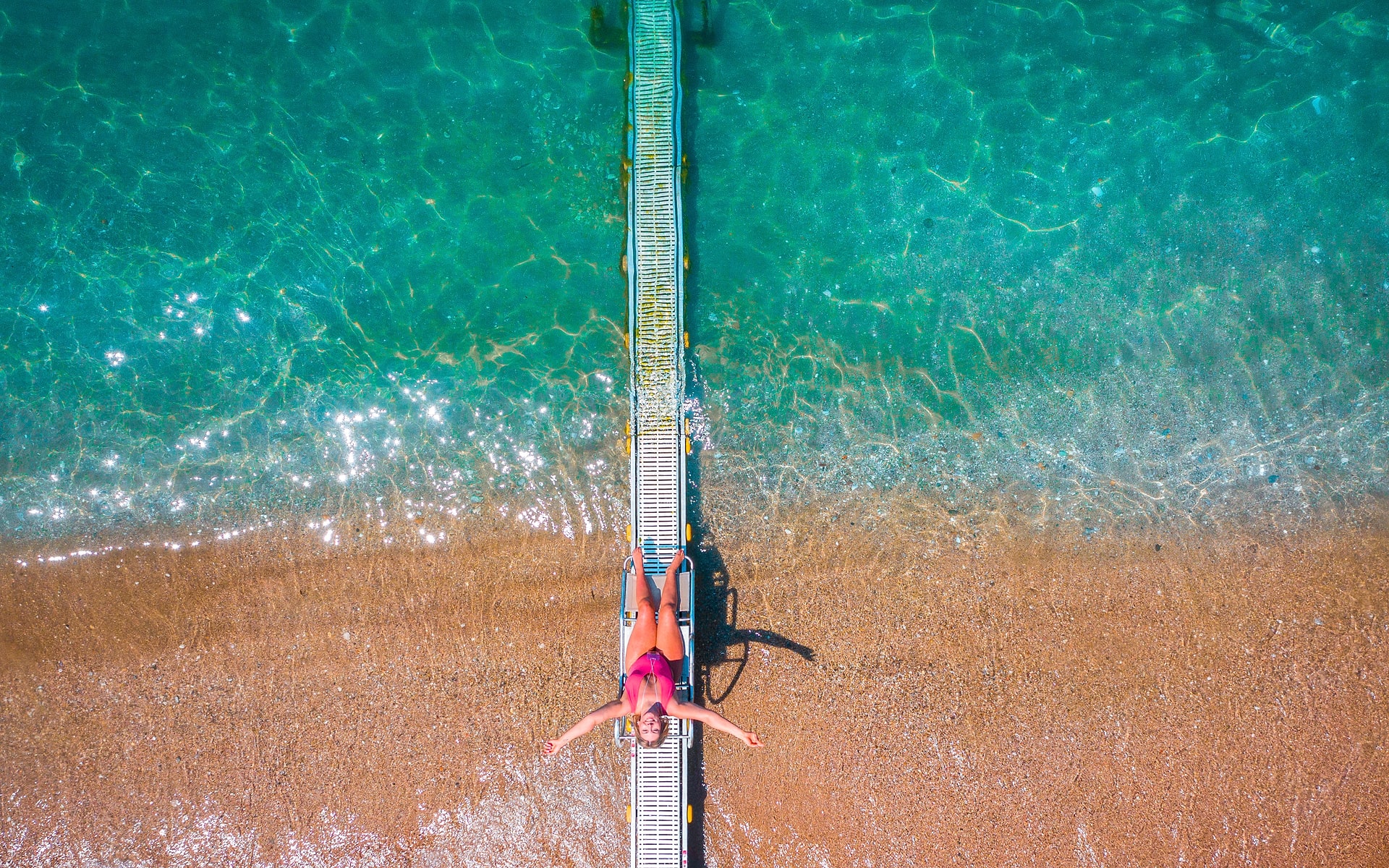
Zadar’s Sea Organ turns the shore into a place to sit and listen. SEATRAC tackles the transition from the beach into the sea. Both change the meeting point between a person and water; the first creates an experience, while the second addresses a particular access barrier.
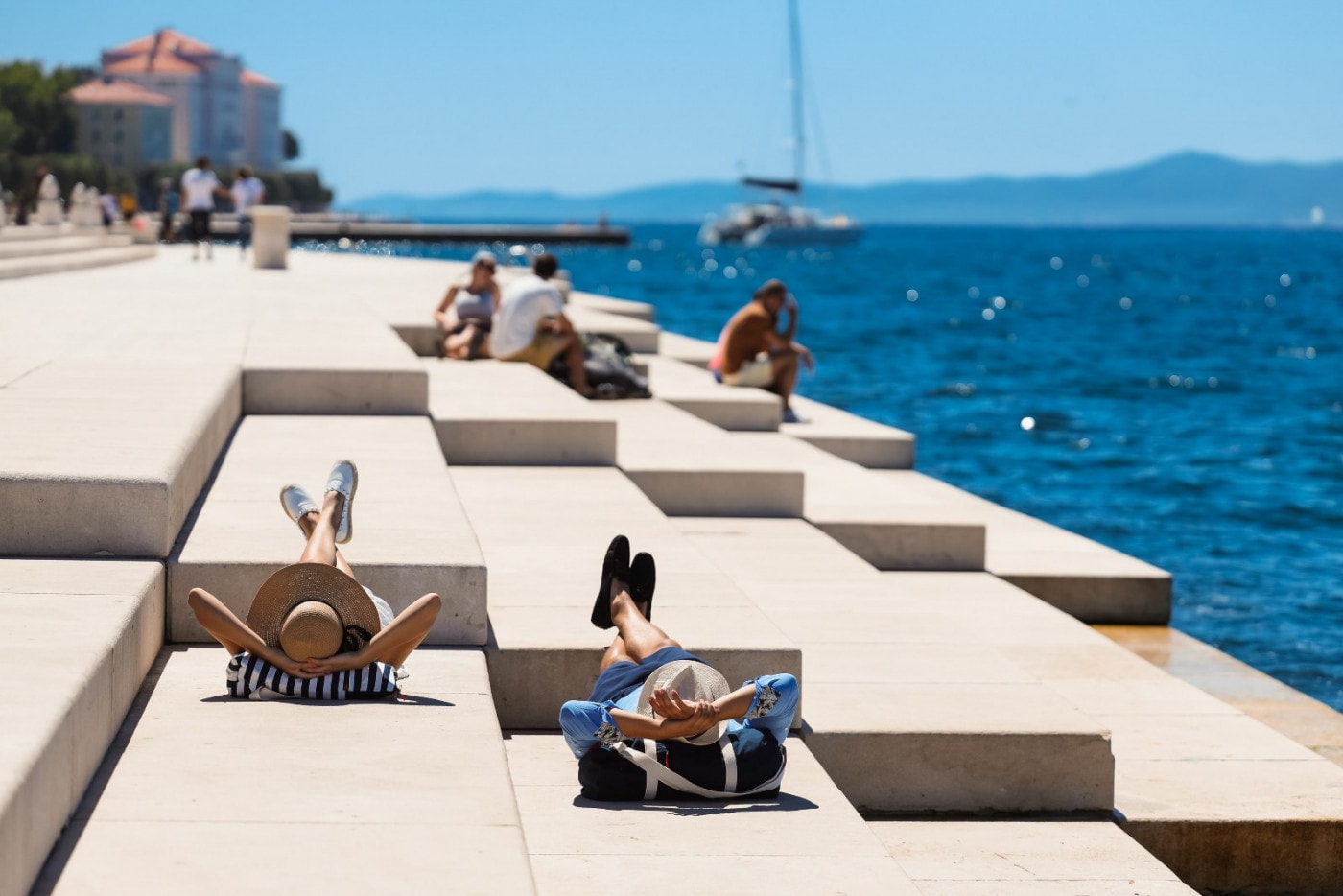
Let the sea play.
At Zadar’s Sea Organ, waves move air through pipes beneath the waterfront steps. The result is a public space whose sound changes with the sea.
Read the storyGive the beach a way in.
A remote-controlled beach rail gives people with limited mobility a way to enter and leave the sea independently.
Read the storyA thought to take with you
Who can reach the edge, use it and make the return journey?
Design the whole journey.
Candela’s ferry tests a different public commute. BeTRITON carries a road journey onto a lake and into an overnight stay. Their scales and purposes differ, but both depend on the transitions around the vehicle: arrival, boarding or launching, charging and getting home.
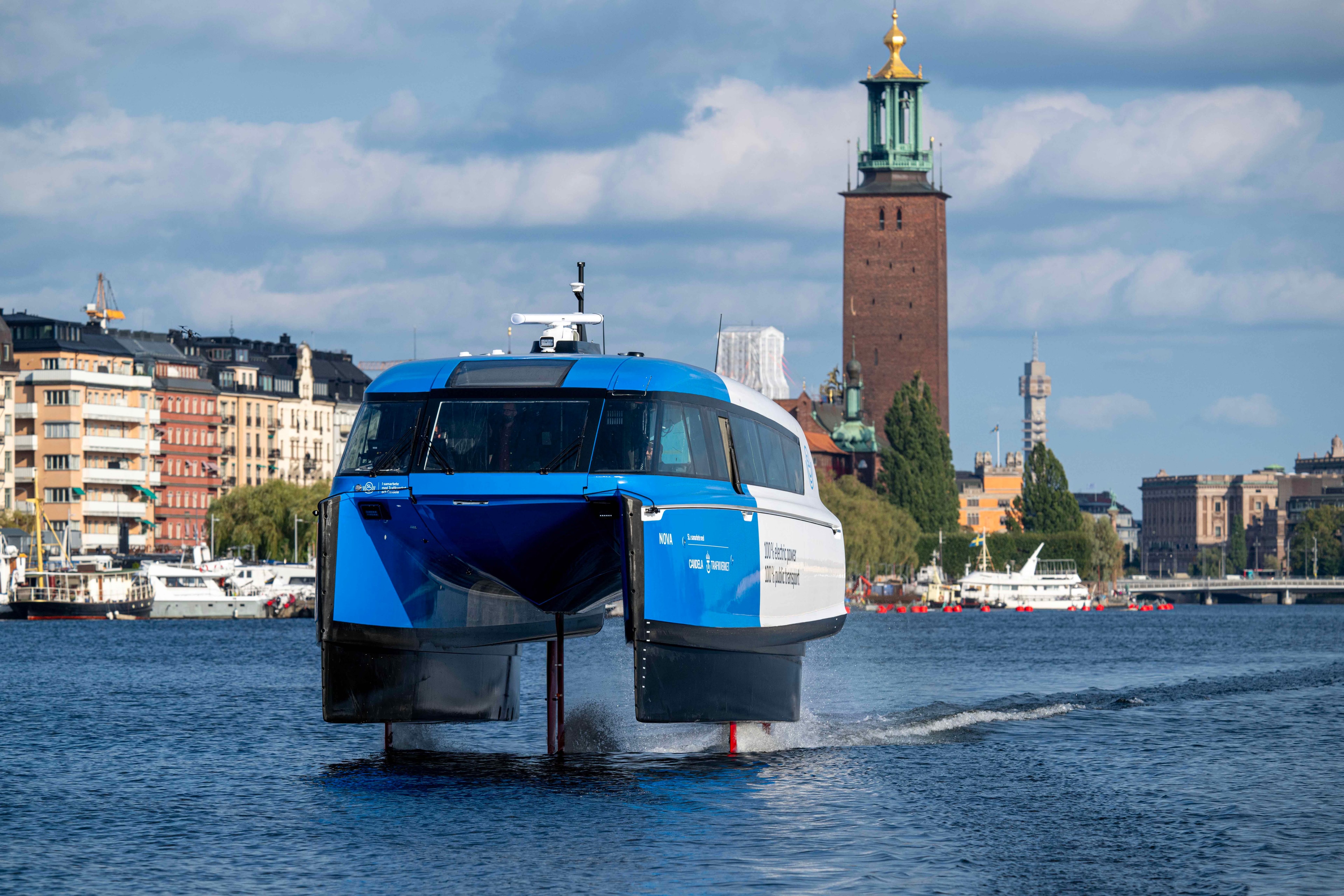
A commute above the water.
Read story ↗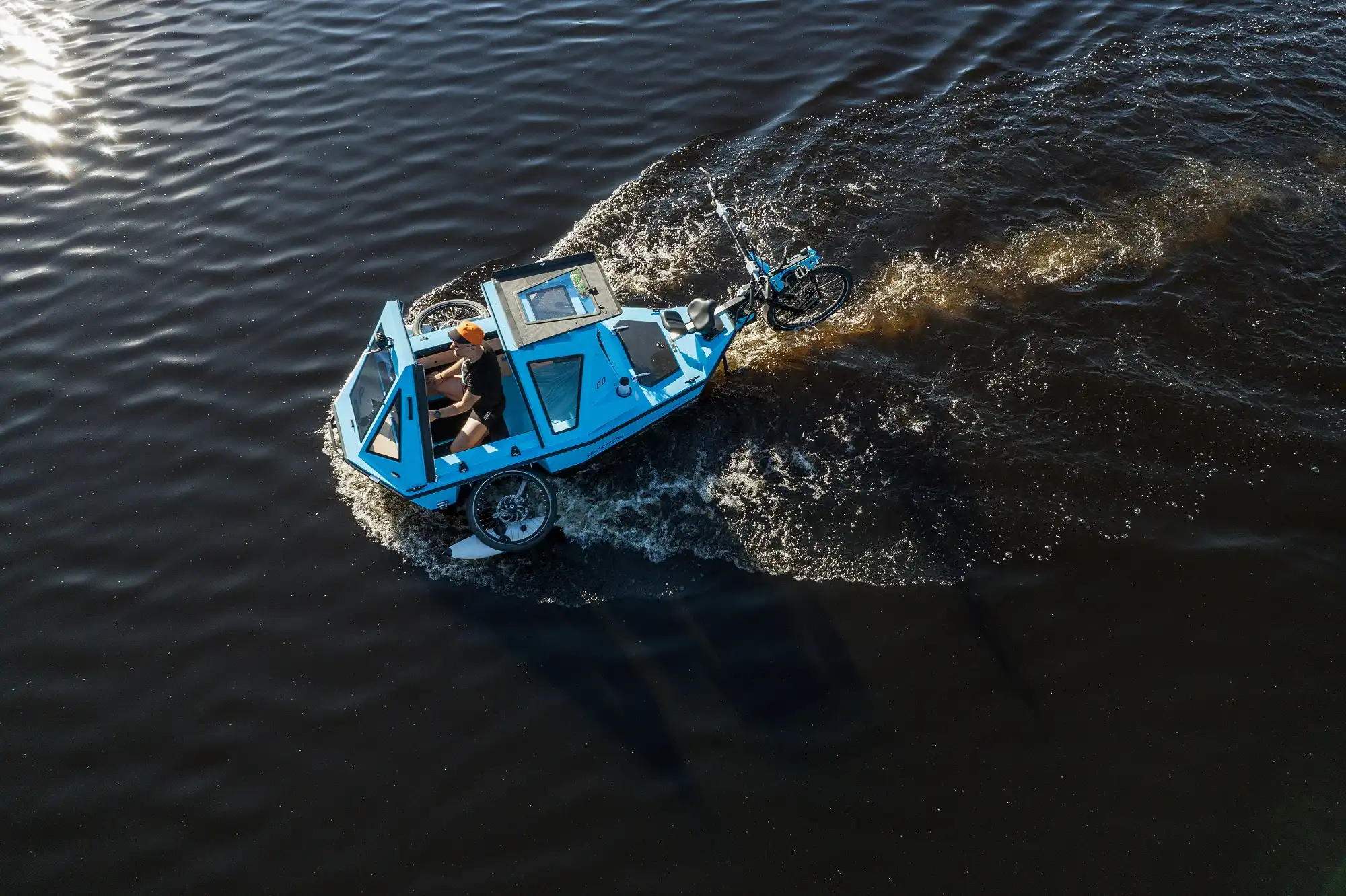
A bicycle. A boat. A bed.
Read story ↗A commute above the water.
Stockholm tested an electric ferry that lifts its hull out of the water. The bigger idea is a different route through the city.
Read the storyA bicycle. A boat. A bed.
Latvia’s BeTRITON combines an electric tricycle, a boat and a small cabin, making the change from road to lake part of the adventure.
Read the storyA thought to take with you
Which connection outside the vehicle could make the journey fail?
Give care an operating structure.
Vjosa’s park designation brings connected waterways into a protection framework. Enaleia gives fishers a route for landing plastic and passing it to processing partners. One changes the unit of protection; the other organises a recurring handoff. Both need people and responsibilities beyond the founding announcement.
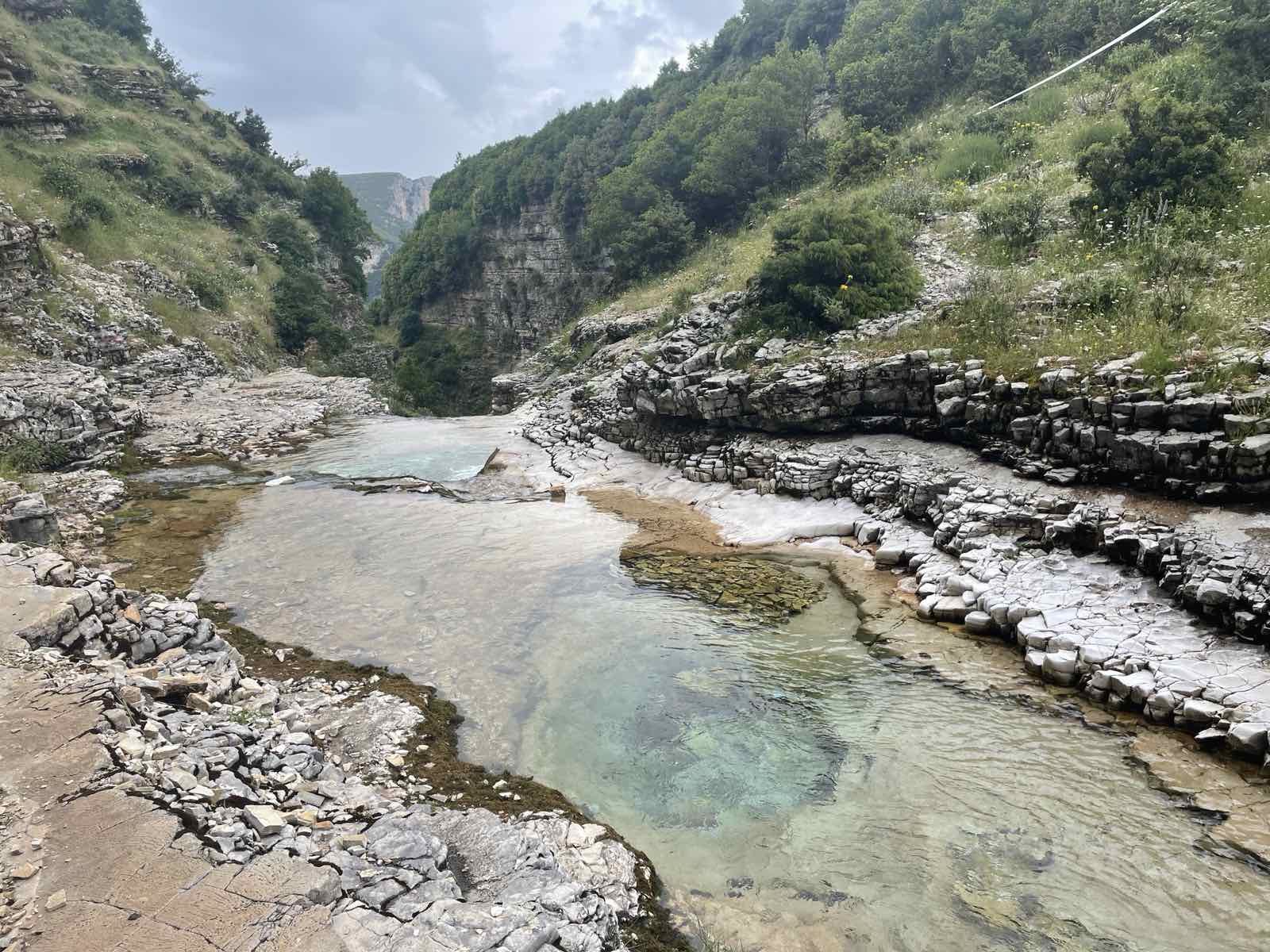
A river, protected as a system.
Read story ↗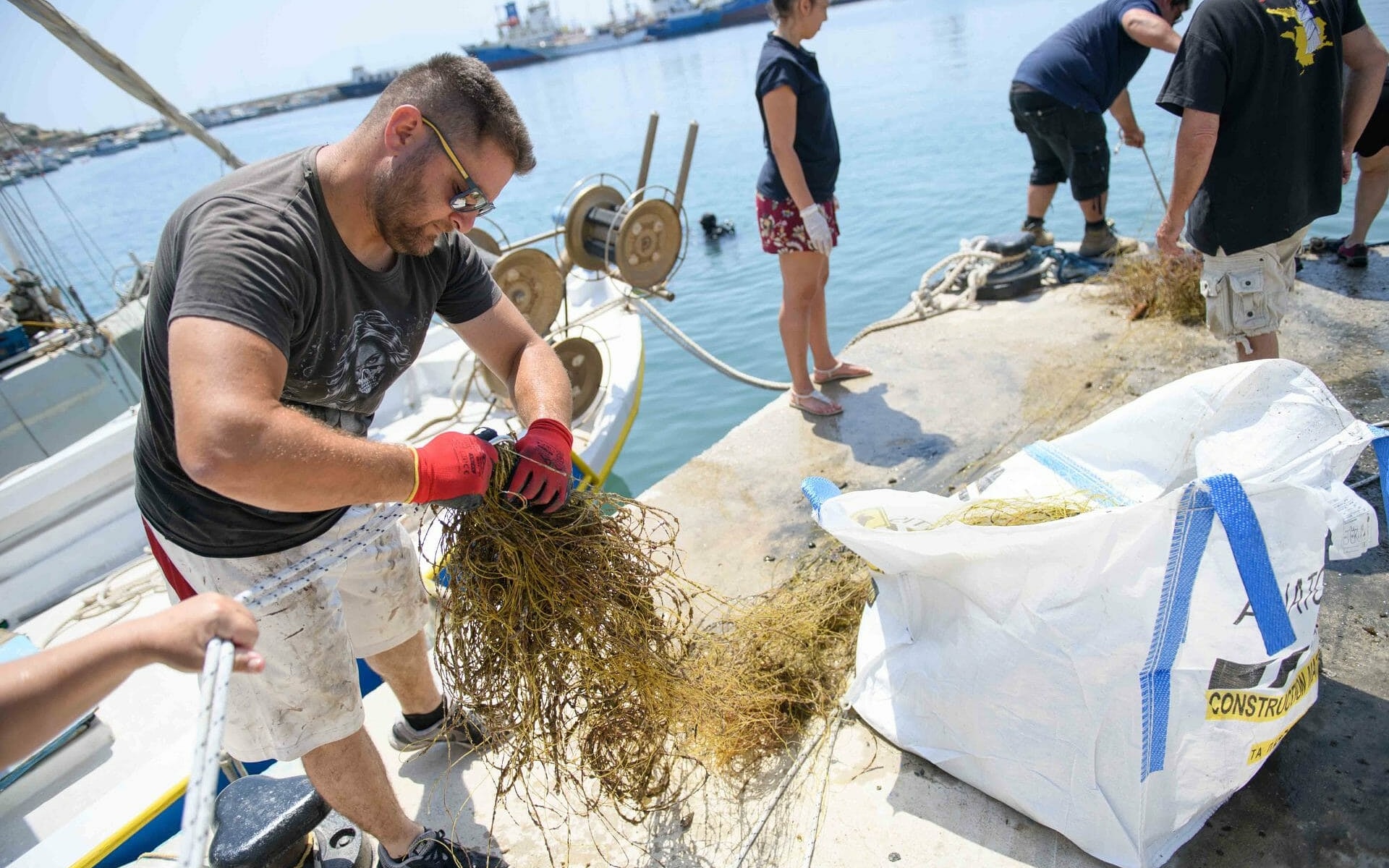
Fishing for a cleaner sea.
Read story ↗A river, protected as a system.
Albania’s Vjosa park brings a free-flowing river and four tributaries into one protected area. The unit of design is the living connection.
Read the storyFishing for a cleaner sea.
Greece’s Enaleia works with fishing crews to bring marine plastic and worn-out gear into an organised collection system on shore.
Read the storyA thought to take with you
Who takes responsibility after the boundary is drawn or the material reaches shore?
What becomes possible when water is part of the design?
A different route, a place to listen, a way into the sea. Water changes the possibilities of an ordinary day.