A second life for materials.
Retired blades, overlooked wool and discarded toys. Six approaches to keeping more value in what already exists.
Explore the 3 connections
Keep the work already done.
BladeBridge retains the engineered form of retired turbine blades. Tirana’s Pyramid keeps a concrete structure while changing its uses and invitation to the public. Neither begins by reducing everything to raw material. Each needs a new case for safety, access and continued care.
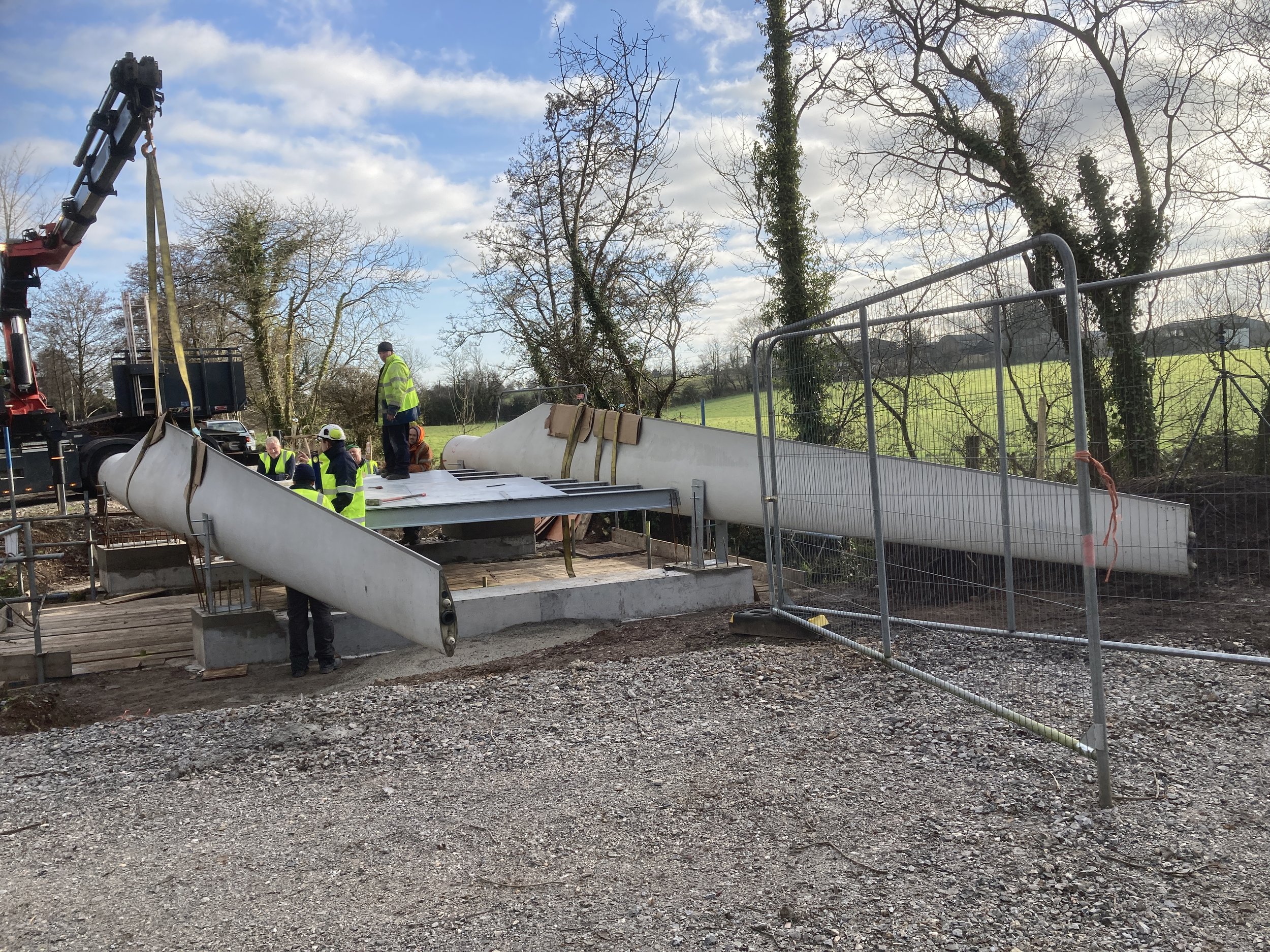
Old blades. A new crossing.
Read story ↗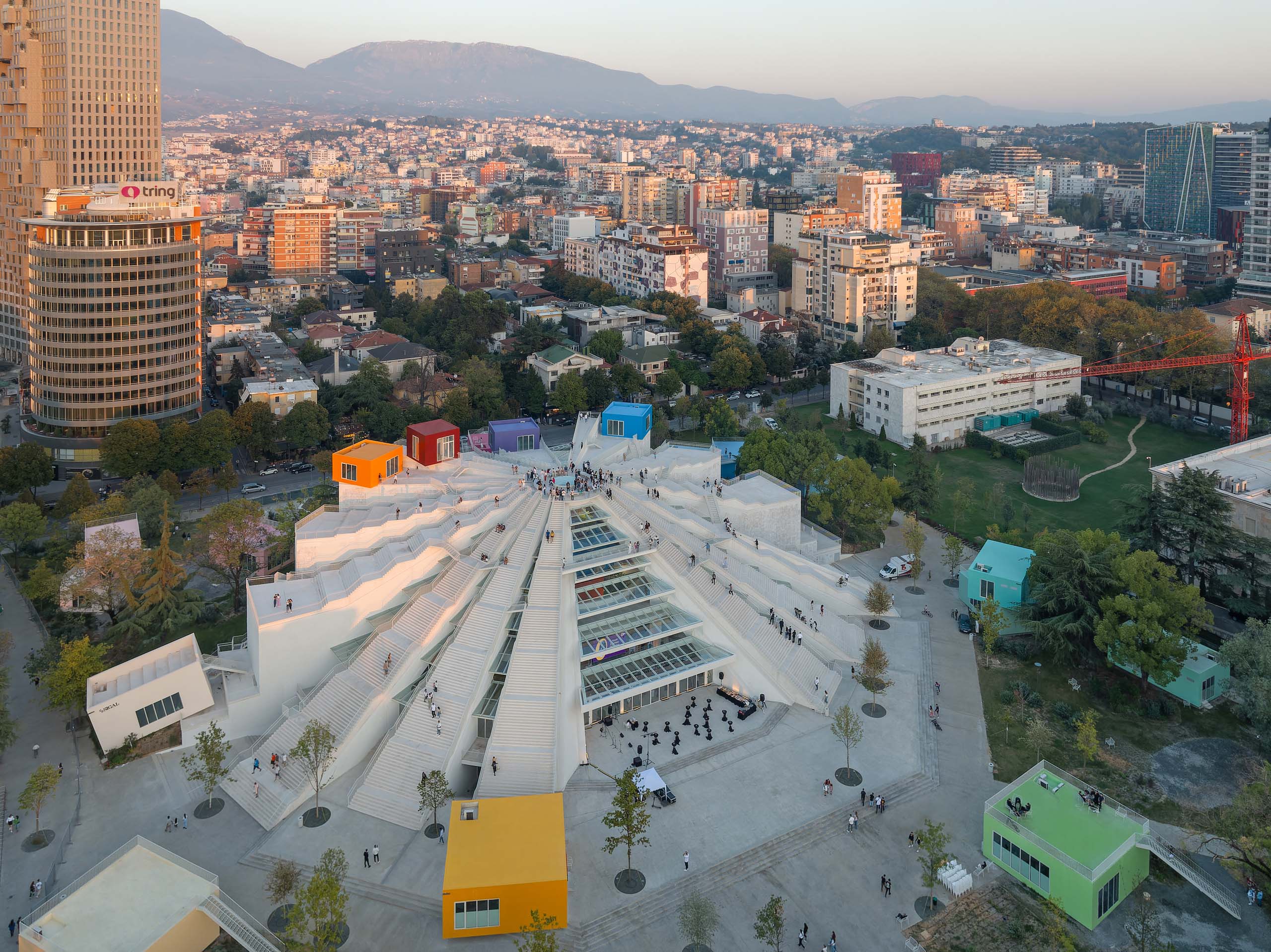
A monument finds a public life.
Read story ↗Old blades. A new crossing.
In County Cork, the Re-Wind team used two retired wind-turbine blades as structural girders for a bridge on the Midleton–Youghal Greenway.
Read the storyA monument finds a public life.
A closed monument to a former regime became climbable public topography and a distributed learning centre without erasing its difficult history.
Read the storyA thought to take with you
What useful structure remains, and what must be assessed before its next use?
Find a use for the property.
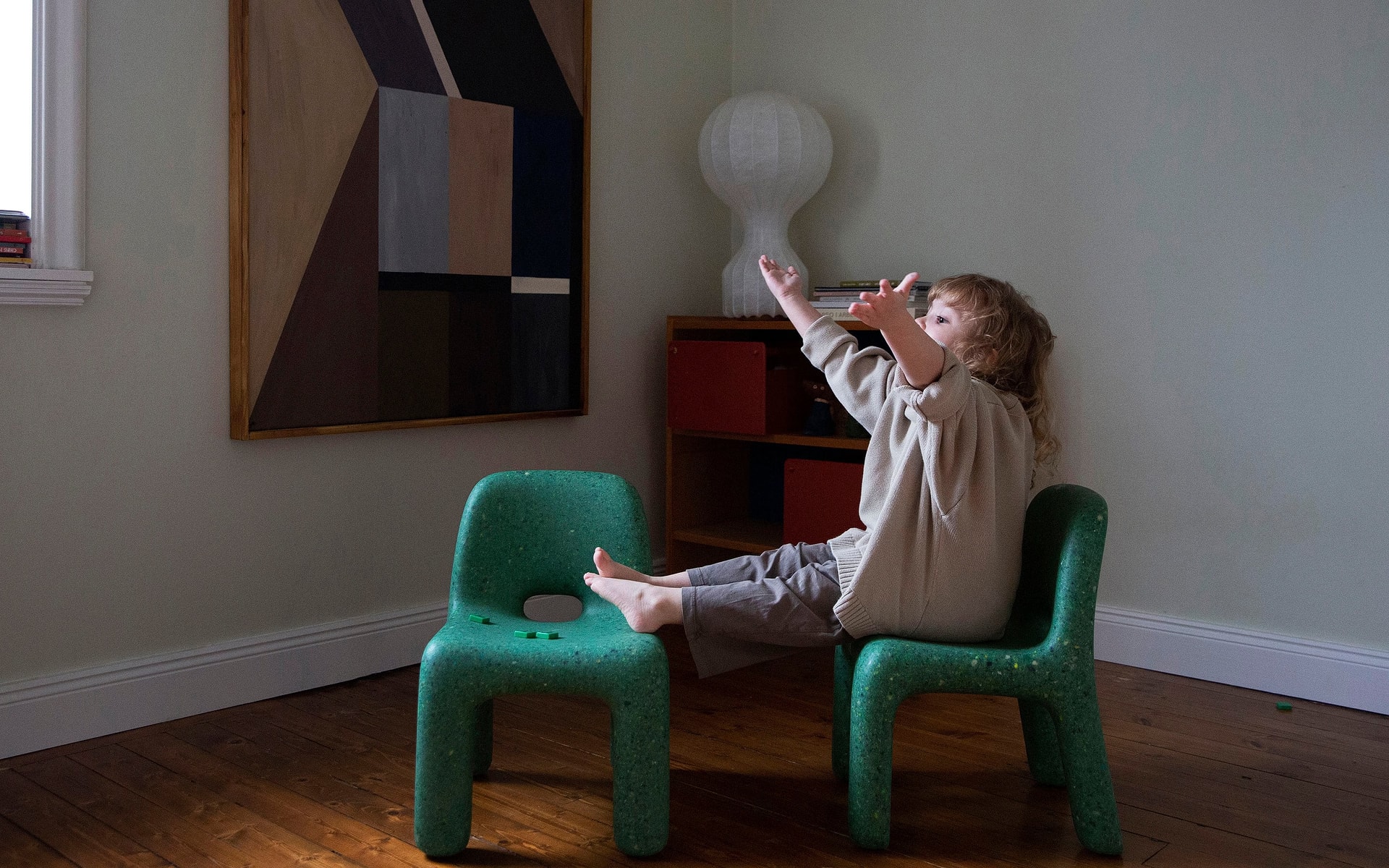
Woola turns coarse wool into protective packaging. ecoBirdy processes discarded plastic toys into furniture with visible coloured fragments. Cushioning and colour become useful qualities in another product. The collection, cleaning and processing route still has to work alongside the design.
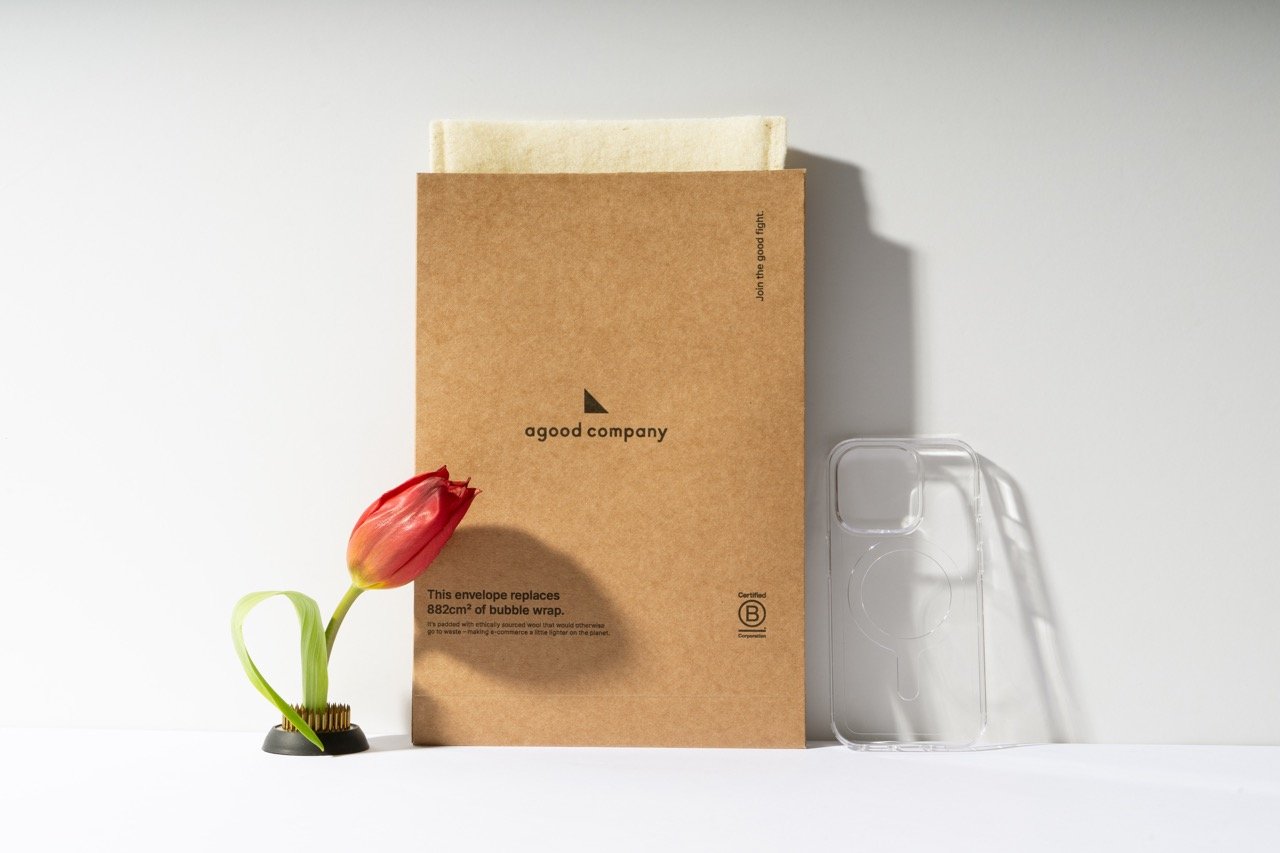
Waste wool gets a new job.
Estonia’s Woola turns underused sheep wool into protective postal packaging, including a separable wool liner inside a paper envelope.
Read the storyOld toys. A new place to sit.
Antwerp’s ecoBirdy turns discarded plastic toys into children’s furniture, keeping coloured fragments visible in the new material.
Read the storyA thought to take with you
Does the new use suit the material, and is there a credible route after that use?
Make separation an early decision.
Fairphone makes parts accessible so a fault need not end the phone’s useful life. Resortecs specifies seams that release under controlled heat to help separate garment components. Repair and preparation for recycling are different destinations; both depend on choices made before the item is sold.
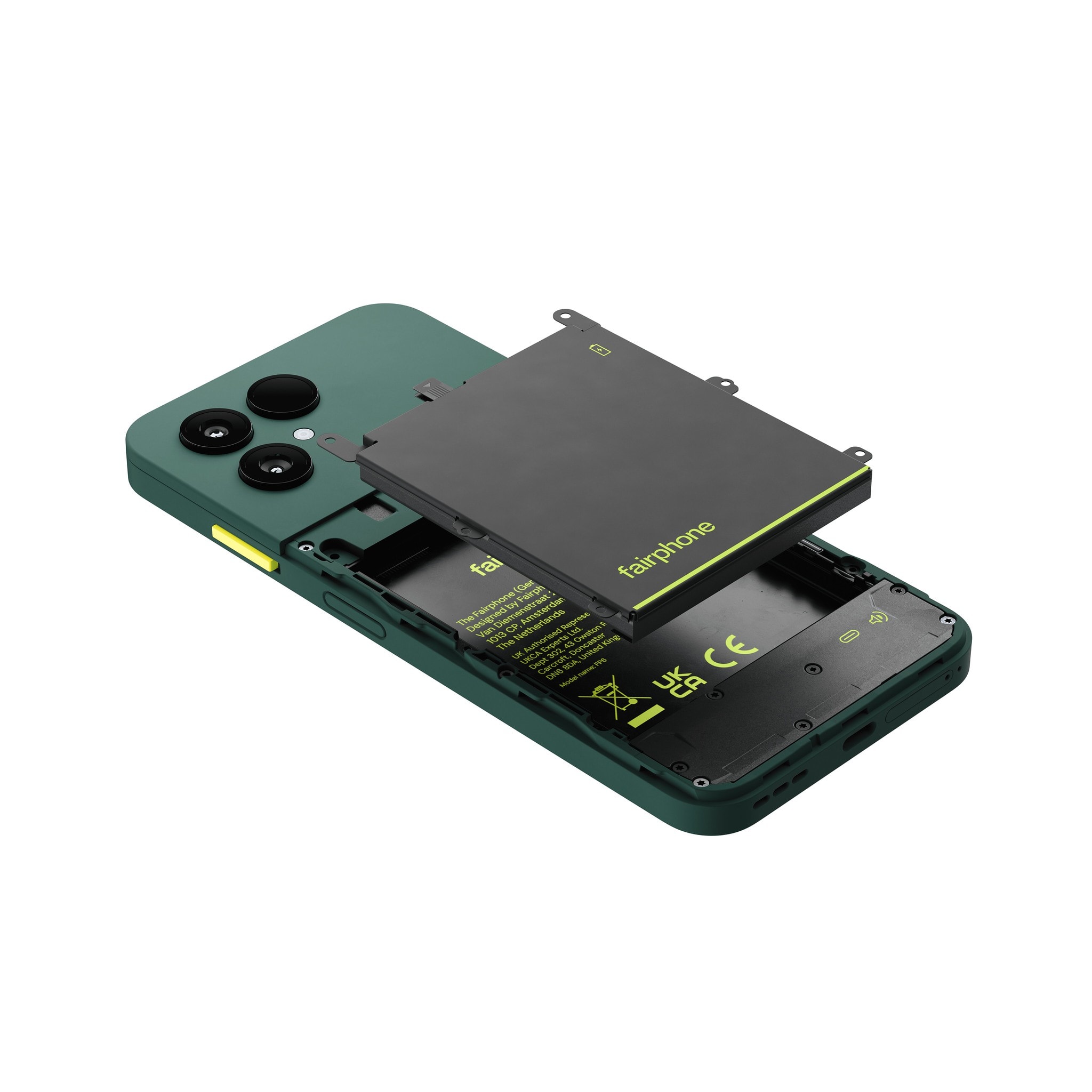
Make repair part of the product.
Read story ↗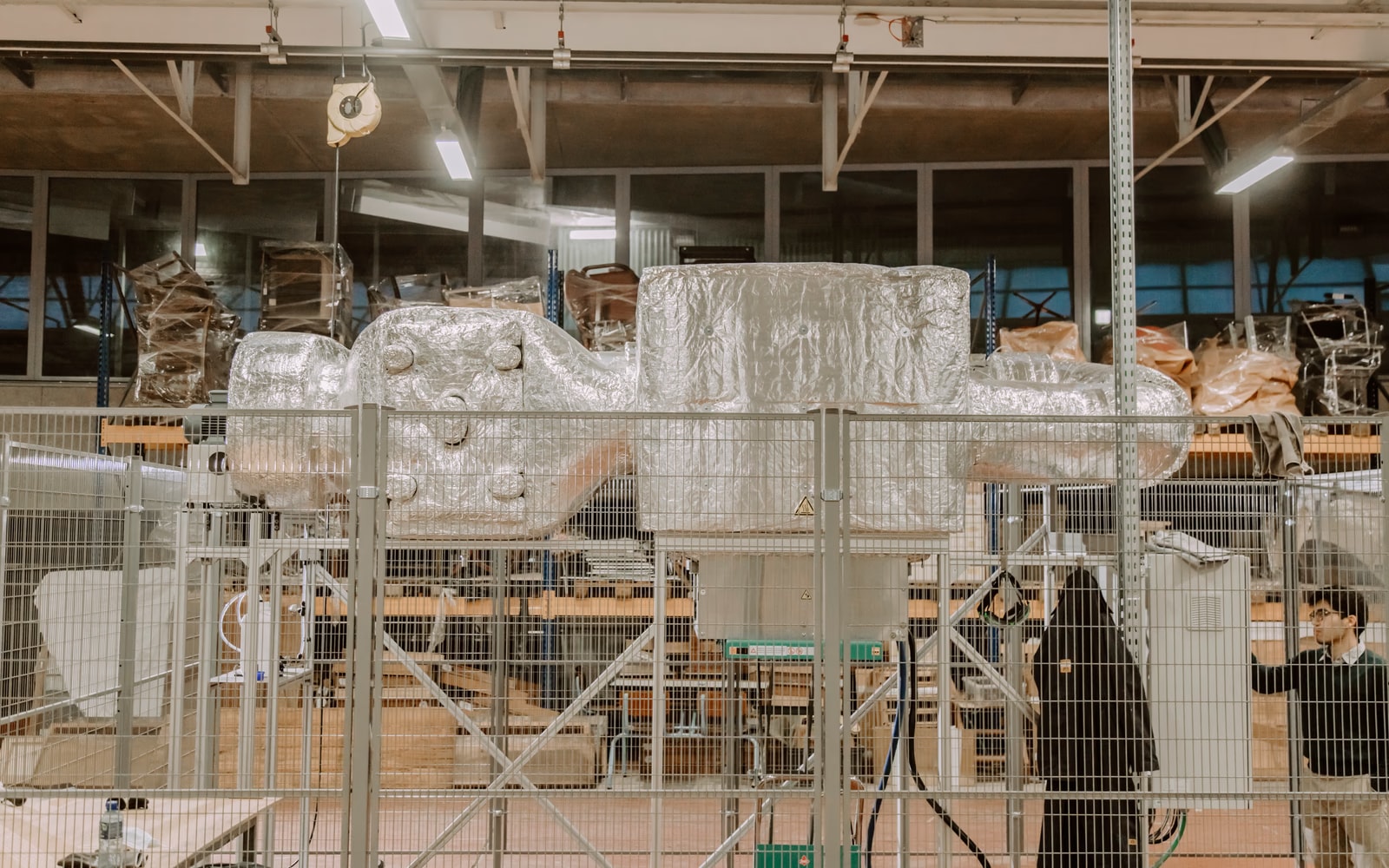
Design the seam to come apart.
Read story ↗Make repair part of the product.
Replaceable parts, repair guidance and long-term support turn keeping a smartphone into a practical design choice.
Read the storyDesign the seam to come apart.
Heat-dissolvable sewing thread makes trims and mixed components easier to remove when a garment reaches repair, transformation or recycling.
Read the storyA thought to take with you
Who can separate the parts, with which tools, and what happens to them next?
What can we keep before we decide to replace?
Before throwing something away, there may be another useful life in its shape, parts or material.
Developing a material that needs its next setting?
Explore Forward Our initiative in development for practical connections.