A new kind of harvest, under one roof.
The harvest inside Factory 01 does not depend on sunlight reaching a crop. It depends on a controlled fermentation process, an energy supply and microorganisms that become a food ingredient.
 FI Finland
In practice. Solar Foods opened Factory 01 in Vantaa in April 2024. Capacity and production milestones are reported by the company.
What to keep in view
Production milestones and capacity figures are attributed to Solar Foods. Design capacity is not verified annual output. Energy sourcing, regulatory approval, cost and wider environmental performance require separate assessment.
A different set of inputs
Solar Foods opened Factory 01 in Vantaa in April 2024. The facility produces Solein, a protein ingredient grown through a microbial process supplied with carbon dioxide, hydrogen and nutrients. Electricity helps provide the hydrogen; the resulting biomass is processed into an ingredient for food makers.
The process changes which resources must arrive at the production site. It reduces the direct dependence on cultivated fields and local growing seasons, while making reliable energy and industrial operation central to the food-production question.
From a process to production
In October 2025, Solar Foods reported that Factory 01 had reached production parameters supporting its original annual design capacity of 160 tonnes. This was a company-reported production milestone, rather than evidence that the factory had already delivered that volume over a full year.
A working facility allows the team to learn about continuous production, maintenance and energy efficiency. Those lessons are important when moving beyond a pilot: the economics and reliability of repeated batches matter as much as the existence of a successful sample.
Food needs more than a factory
Our reading: Solein is interesting as a new option within the food system. It gives producers another way to source protein, with different dependencies from farming. It does not remove the need to examine energy use, cost, taste and the foods in which the ingredient is used.
Market-specific food approvals and demand determine where that option becomes practical. The next meaningful evidence is sustained operation and documented performance at the scale being proposed, rather than the broad promise that an ingredient can be produced anywhere.
Read next.
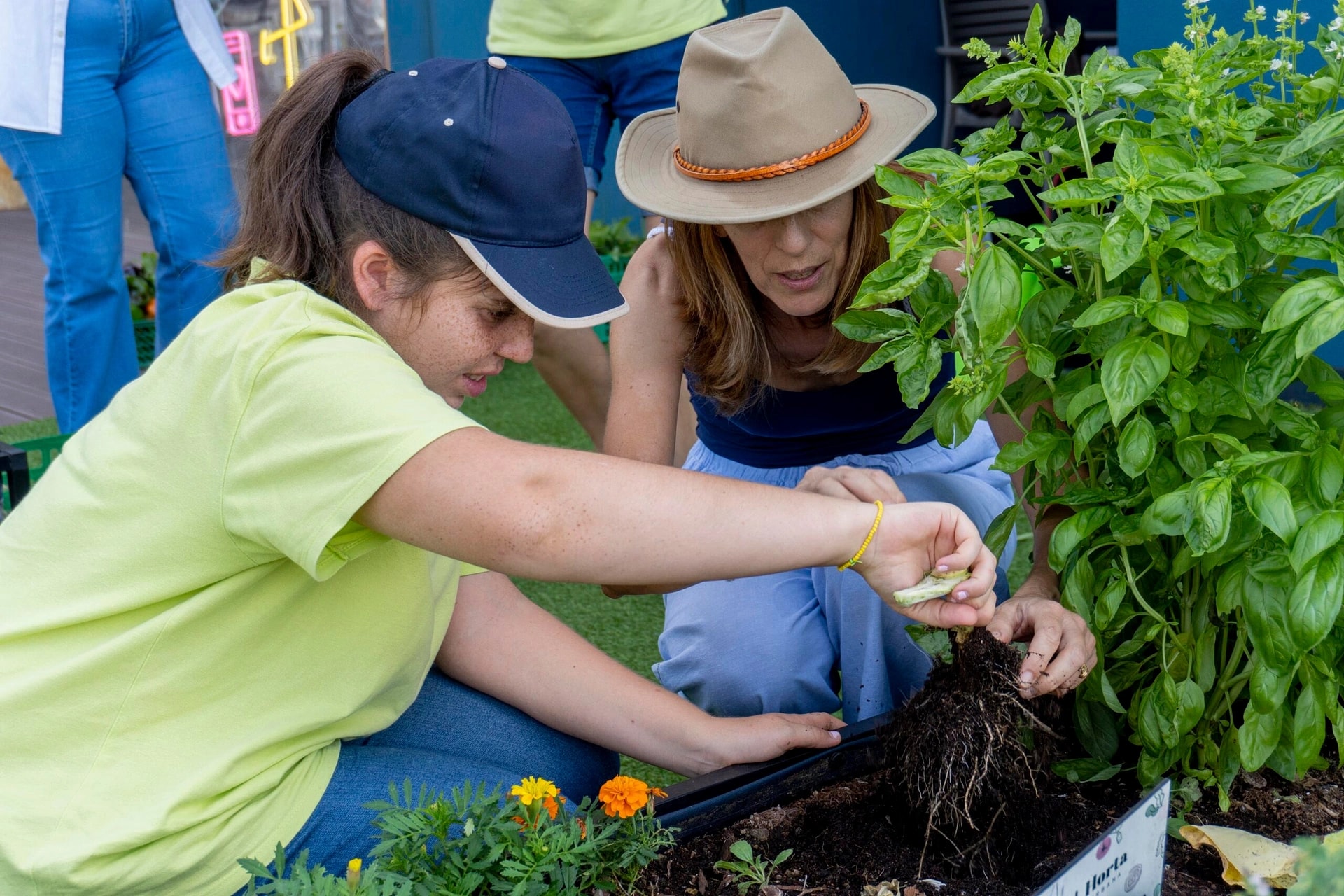
A vegetable bed with water stored below.
Two very different food-production settings reveal the supporting systems. Water, energy, inputs and operation matter beyond the visible product.
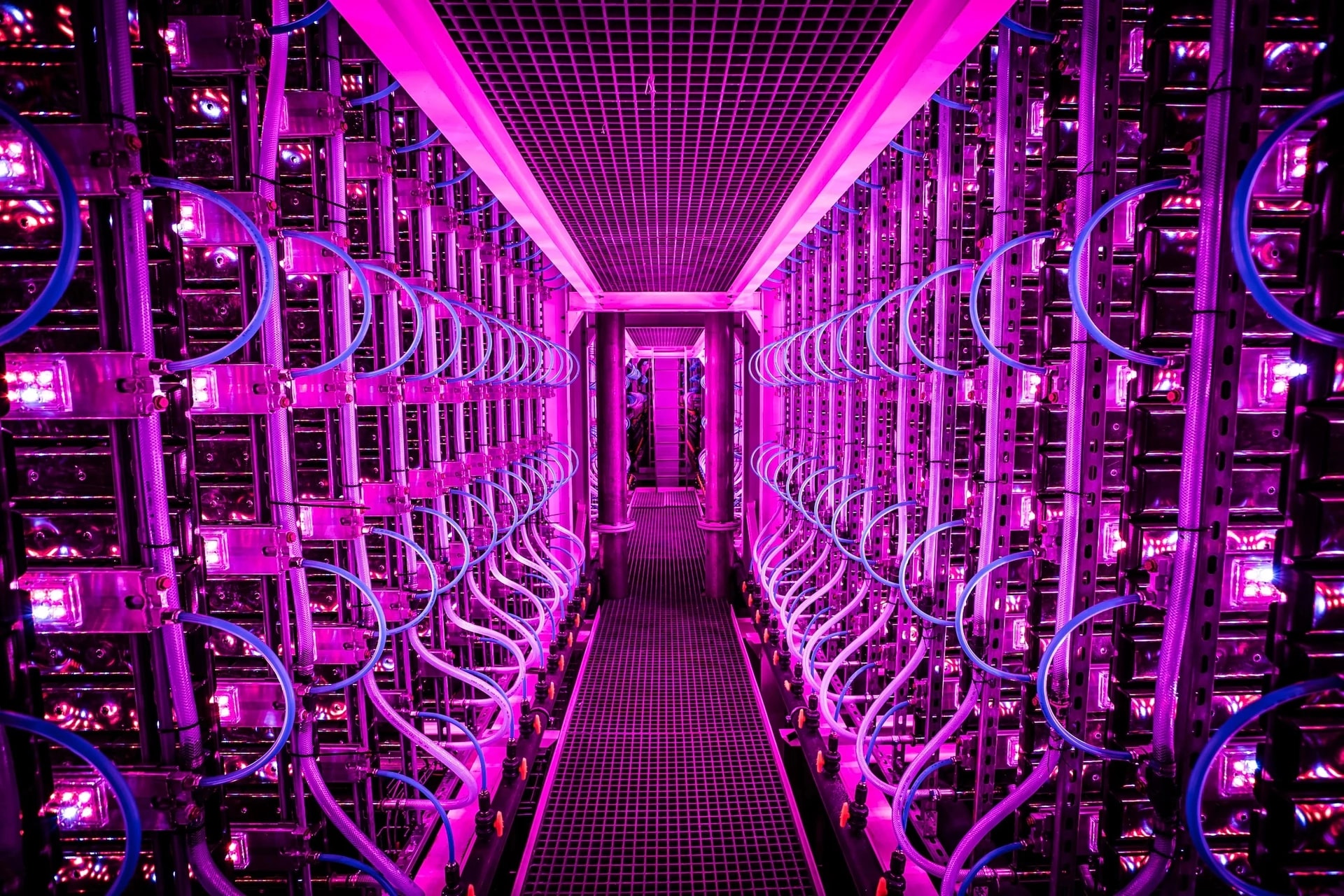
Put the growing room beside the energy source.
Both use controlled biological production, but with different organisms and inputs. Compare microalgae cultivation with microbial protein fermentation.