Design the light around what it must protect.
The technology should draw attention to the frescoes, not to itself. The Sistine Chapel’s 2014 LED installation brought colour research, conservation and lighting design into the same project.
 VA Vatican City
In practice. A completed lighting installation inaugurated in 2014 at the Vatican Museums, developed through the European LED4Art collaboration.
What to keep in view
The 2014 installation is a historical implementation, not a new 2026 launch. Manufacturer energy-reduction figures are not an independent lifetime assessment, and lighting is only one part of conservation.
Start with the artwork
The project combined OSRAM’s lighting technology, colour research by the University of Pannonia, energy research by IREC and lighting design by FABERtechnica. Vatican technical services and museum specialists took part in the design, testing and installation.
The team studied pigment response, tuned the lighting spectrum and designed compact fittings for the chapel’s cornices. More than 7,000 LEDs formed a system intended to illuminate the surfaces evenly while keeping the apparatus discreet.
Make the technical success disappear
Our reading: the strongest experience here is the artwork itself. The technology earns its place by making colour and detail legible without competing for attention. That requires designers, conservators and engineers to work on the same problem from the beginning.
The Vatican location is the context of the case, not a claim that every contribution was developed there. The lighting project is also distinct from the separate climate-control installation introduced during the same period.
Read next.
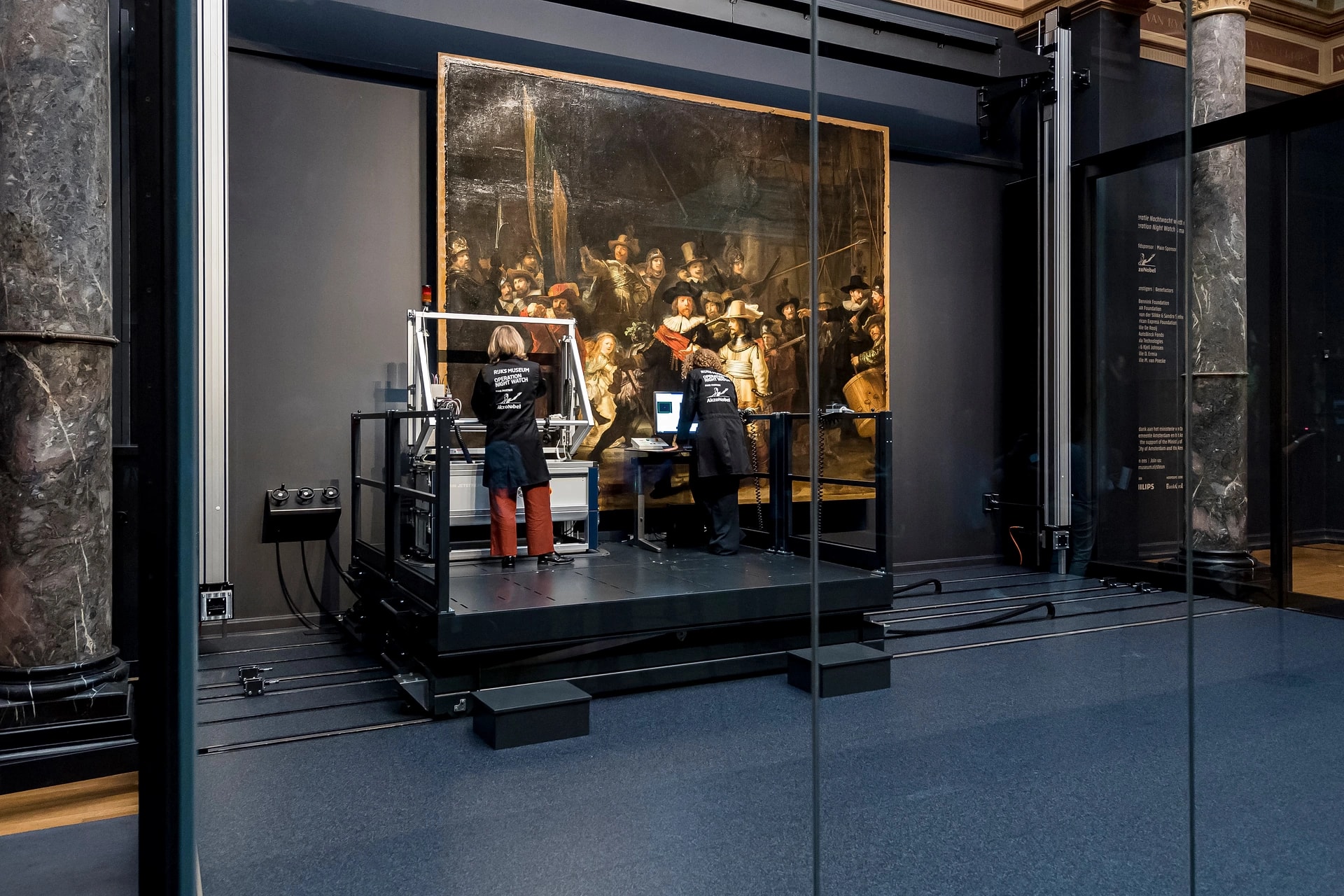
Let the public see how a masterpiece is studied.
Both place science in the service of looking at art. One makes conservation research public; the other designs light around the artwork’s needs.
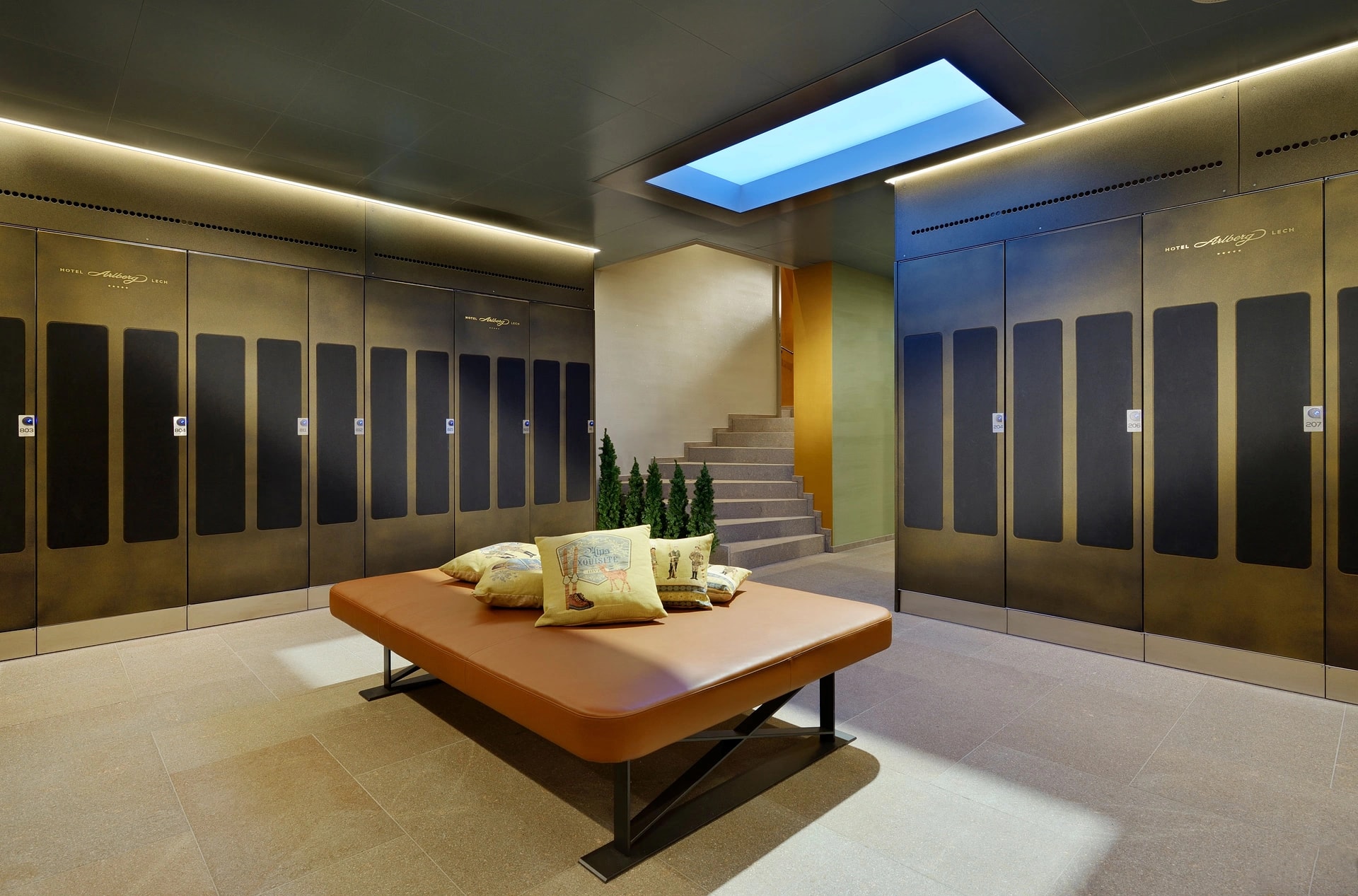
A sky-like light inside a room.
Both design the quality of light rather than brightness alone. Conservation lighting and a simulated sky aim at very different experiences.