A synthesiser played through a grid of touch
On Plinky, the fingers meet a grid instead of a piano keyboard. The touch interface gives a player several ways to address notes and change what they sound like. The instrument can be built into a small hardware setup and is documented as an open design.
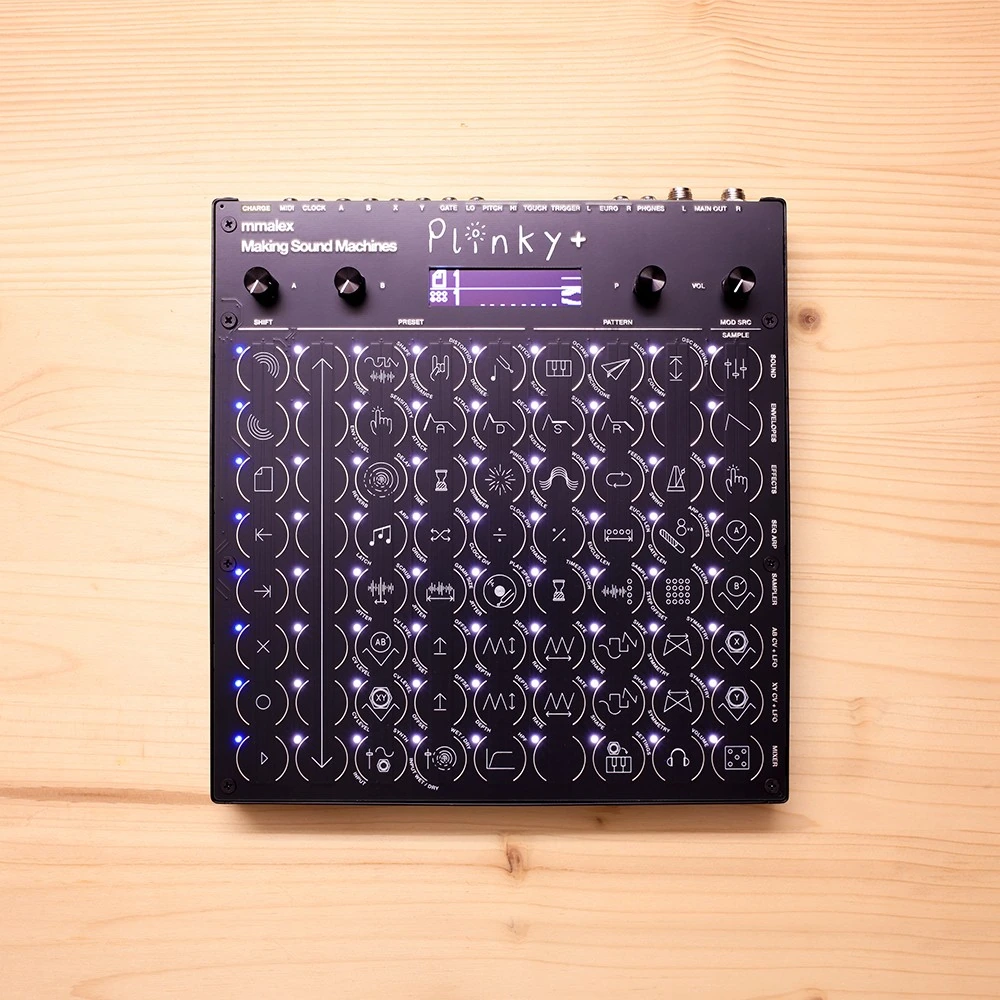
In practice. Plinky makes a touch surface the main way to shape a small polyphonic instrument.
What to keep in view
This is the original Plinky, distinct from Plinky12. Check the project’s build and power documentation.
A surface becomes a playing technique
A set of touch positions can organise notes and control parameters without a large panel of switches. A performer can learn the layout by feeling out a phrase. A builder needs a different sort of knowledge, including what is required to assemble, power and integrate the instrument.
Read next.
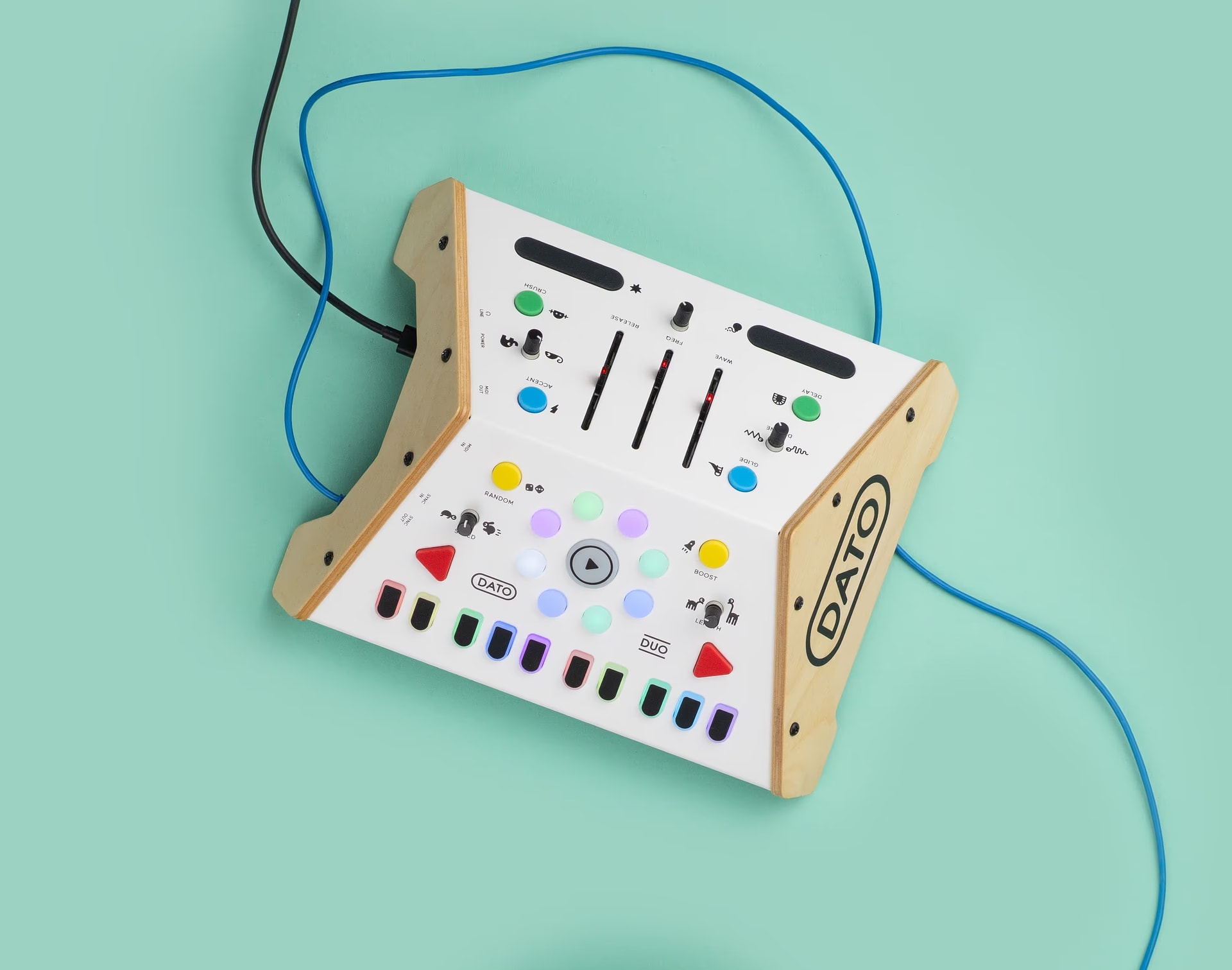
A synthesizer with a place for two
Compare a fixed grid for one performer with a small interface designed around playing together.
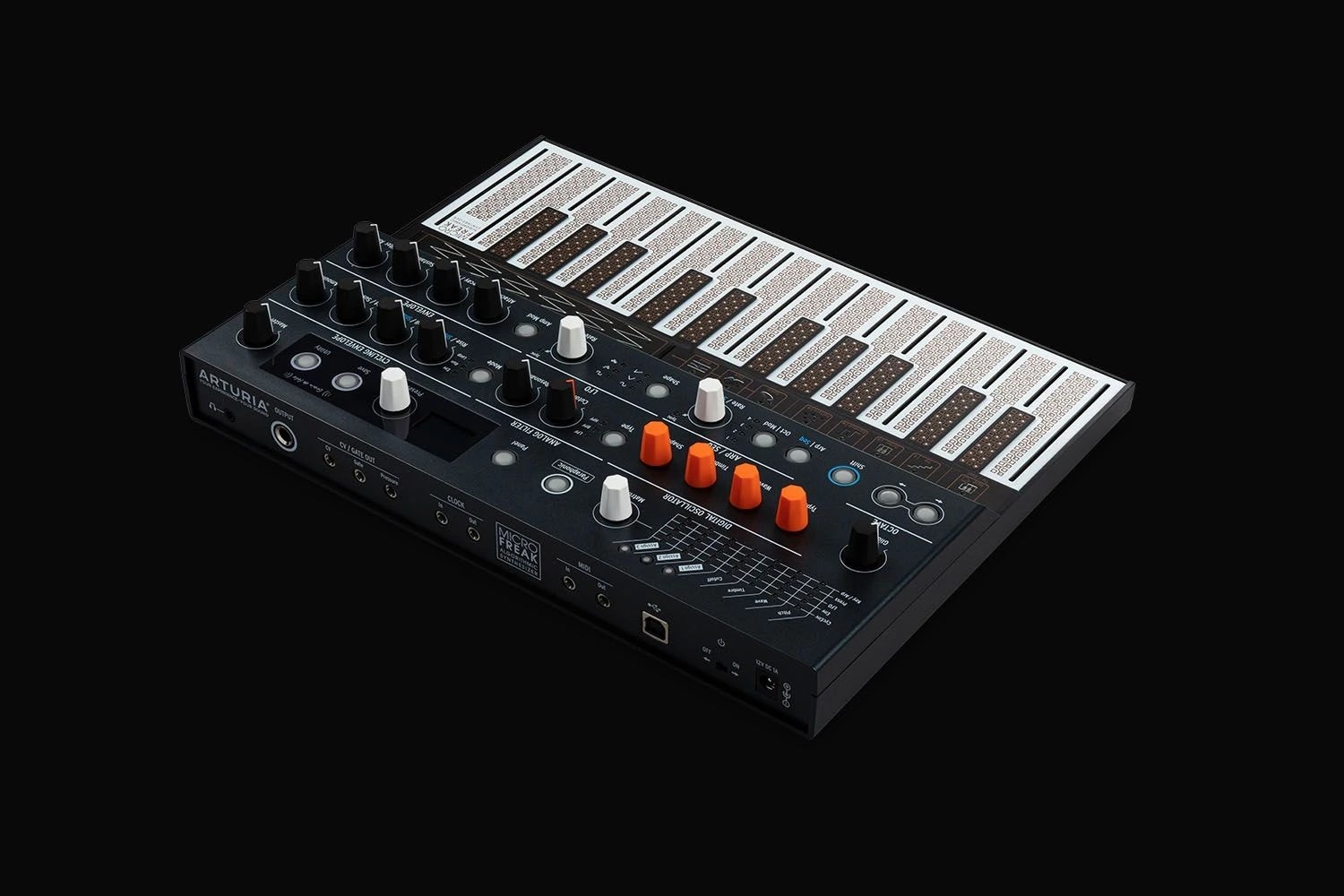
A keyboard that responds to the way you touch it
MicroFreak also uses a touch surface and retains a more familiar ordering of notes.