Electric flight finds its first lesson.
A useful route into electric aviation begins with a specific mission. For Pipistrel’s Velis Electro, that mission is a short training flight with an instructor and student on board.
 SI Slovenia
In practice. EASA granted the two-seat Velis Electro a type certificate on 10 June 2020, primarily for pilot training.
What to keep in view
Certification applies to a specific aircraft type and operating envelope. Short electric training flights do not establish a solution for long-haul aviation, and zero in-flight combustion is not zero lifecycle impact.
Match the mission to the technology
The Velis Electro combines an electric motor with a liquid-cooled battery system and dedicated charging. Its endurance and charging requirements shape what it can do and how a flight school can schedule it.
Training provides a useful starting point because lessons can involve short flights and repeated returns to the same base. Our reading is that the value lies in that fit: a narrower mission offers a place to develop operating experience without assuming that batteries can serve every kind of aviation today.
Progress with a clear boundary
Electric propulsion avoids combustion exhaust during flight, but that is only one part of the environmental account. Electricity generation, battery production and replacement, maintenance and aircraft utilisation all affect the wider result.
This makes Velis Electro a case worth following on its own terms. Flight schools can evaluate practical questions about lessons, charging and operations. The broader lesson is to find the task that a new technology can already perform credibly, then build evidence from repeated use. A successful training aircraft is meaningful without being presented as an immediate answer to long-haul travel.
Regulator-confirmed milestone · Announced 10 June 2020
Type certification for an electric trainer
EASA announced type certification of the two-seat Velis Electro on 10 June 2020, identifying pilot training as its primary intended role.
What this tells us. Certification applies to this aircraft and its approved operating limits. It does not imply that the same battery approach suits every aviation route.
Read next.
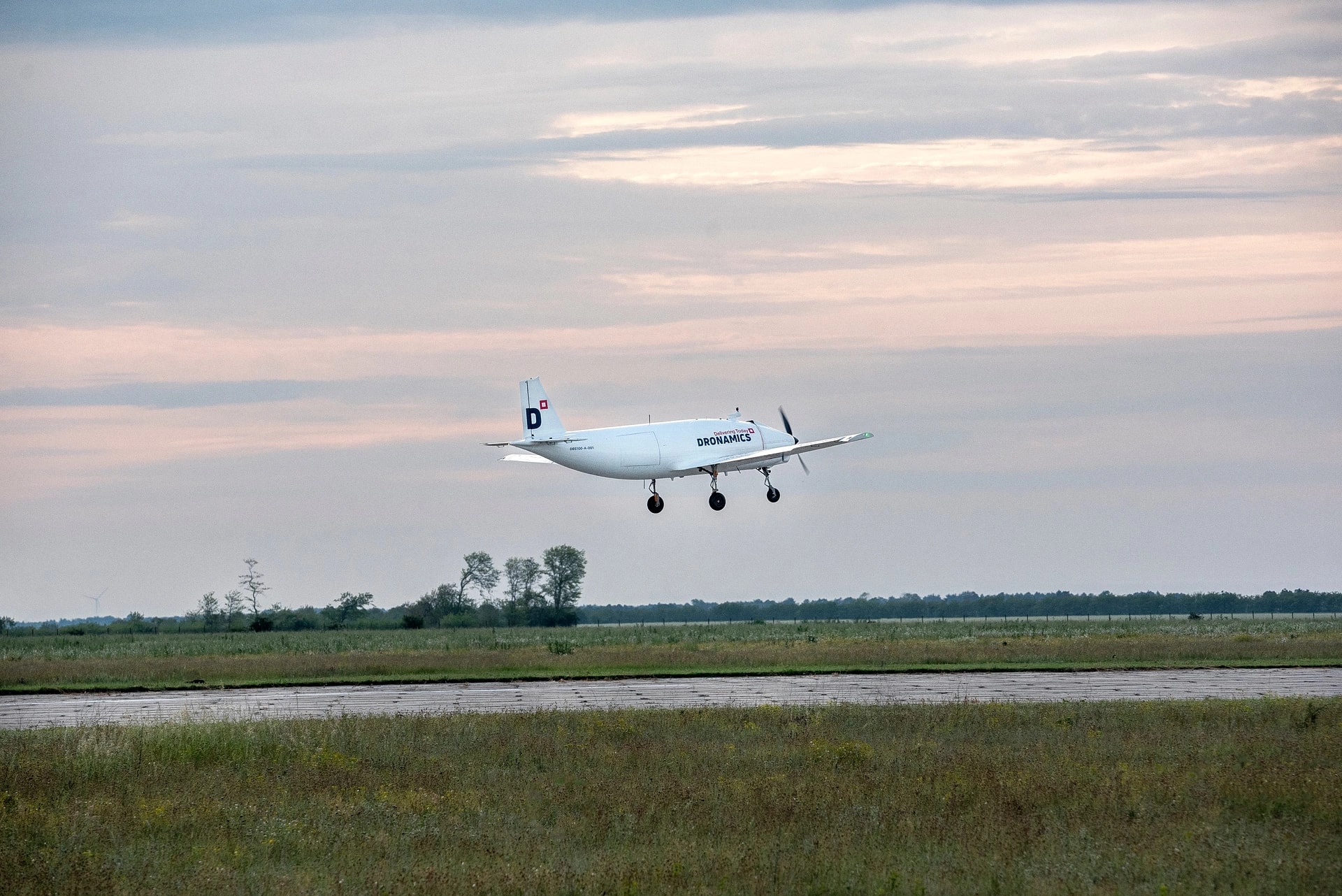
Design the aircraft around the missing cargo route.
Compare an unmanned cargo aircraft’s first-flight milestone with a certified electric trainer. Different use cases require different evidence of readiness.
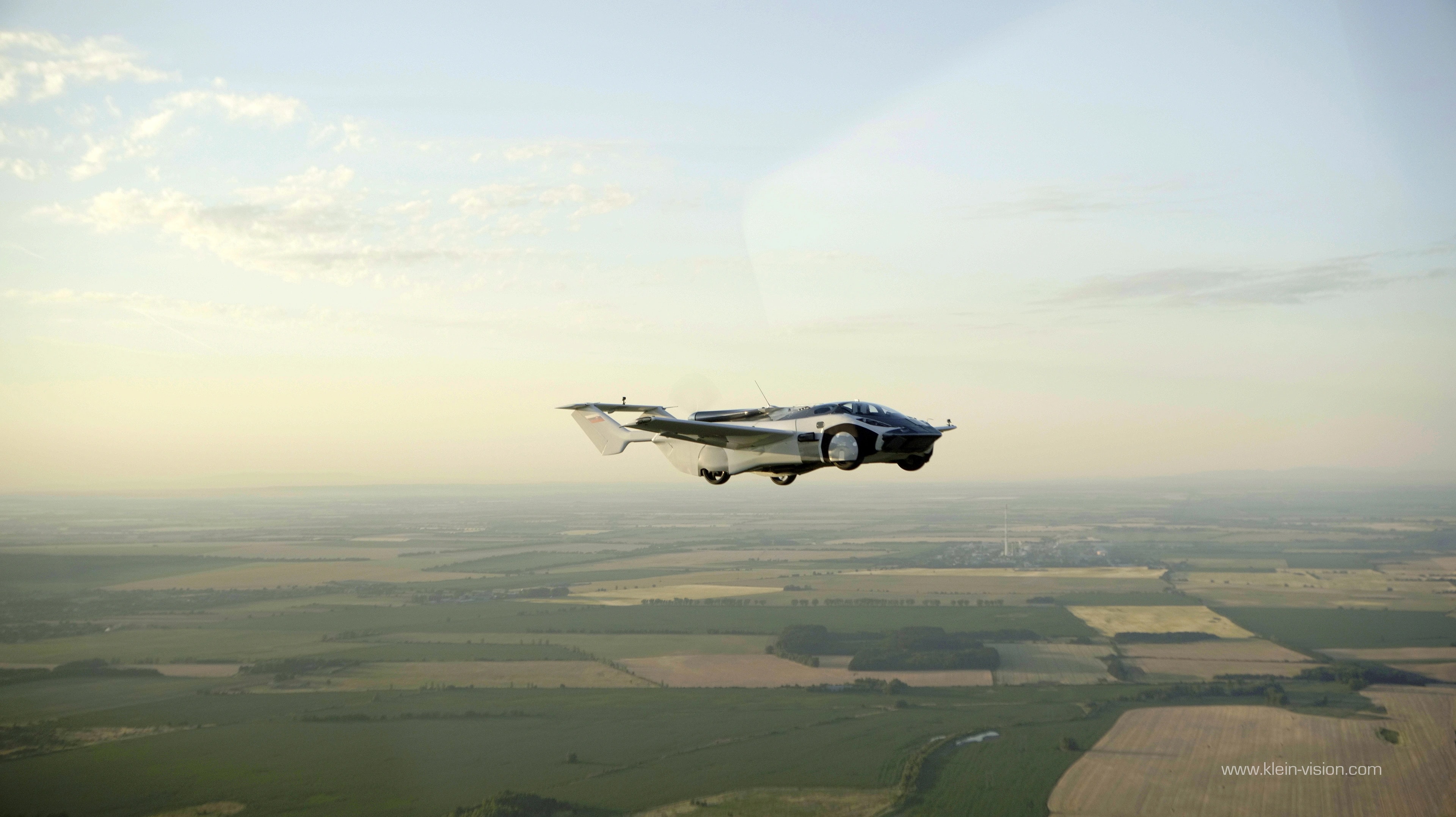
An aircraft that folds for the road.
Both demonstrate that aircraft innovation includes certification and operating constraints. Compare a transforming prototype with a certified training aircraft.