Build the material one precise path at a time.
In a composite part, the direction of the fibres matters. Mikrosam builds machines that place them along planned paths, bringing a material’s structure into the manufacturing brief.
 MK North Macedonia
In practice. An established Prilep-based manufacturer supplies automated fibre and tape placement equipment, programming software and process-monitoring systems.
What to keep in view
Equipment specifications and delivery figures come from the manufacturer. Part quality still depends on materials, programming, process qualification, inspection and the intended application.
Connect the path to the production cell
Mikrosam designs and builds composite-manufacturing equipment at its campus near Prilep. Its automated fibre and tape placement range brings together a moving head, material feed and controlled processing. The company supplies configurations for different scales and materials, rather than one universal machine.
Its MikroPlace software supports lay-up planning and machine programming. A separate quality-control system records production information such as process speed, temperature, tension and compaction pressure. The machine and its software therefore have to describe the same operation: where material goes, how it is placed and what happened during manufacture.
Make the process as legible as the part
Our reading: a composite component can look complete while concealing how it was made. Connecting design, placement and production records makes the process itself something engineers can inspect and refine. The finished geometry is only one part of the result.
The wider European lesson is geographical as well as technical. Specialist manufacturing knowledge can grow in Prilep and serve production and research elsewhere. This case is about that capability and its mechanism, not a claim that the equipment automatically certifies every part it produces.
Read next.
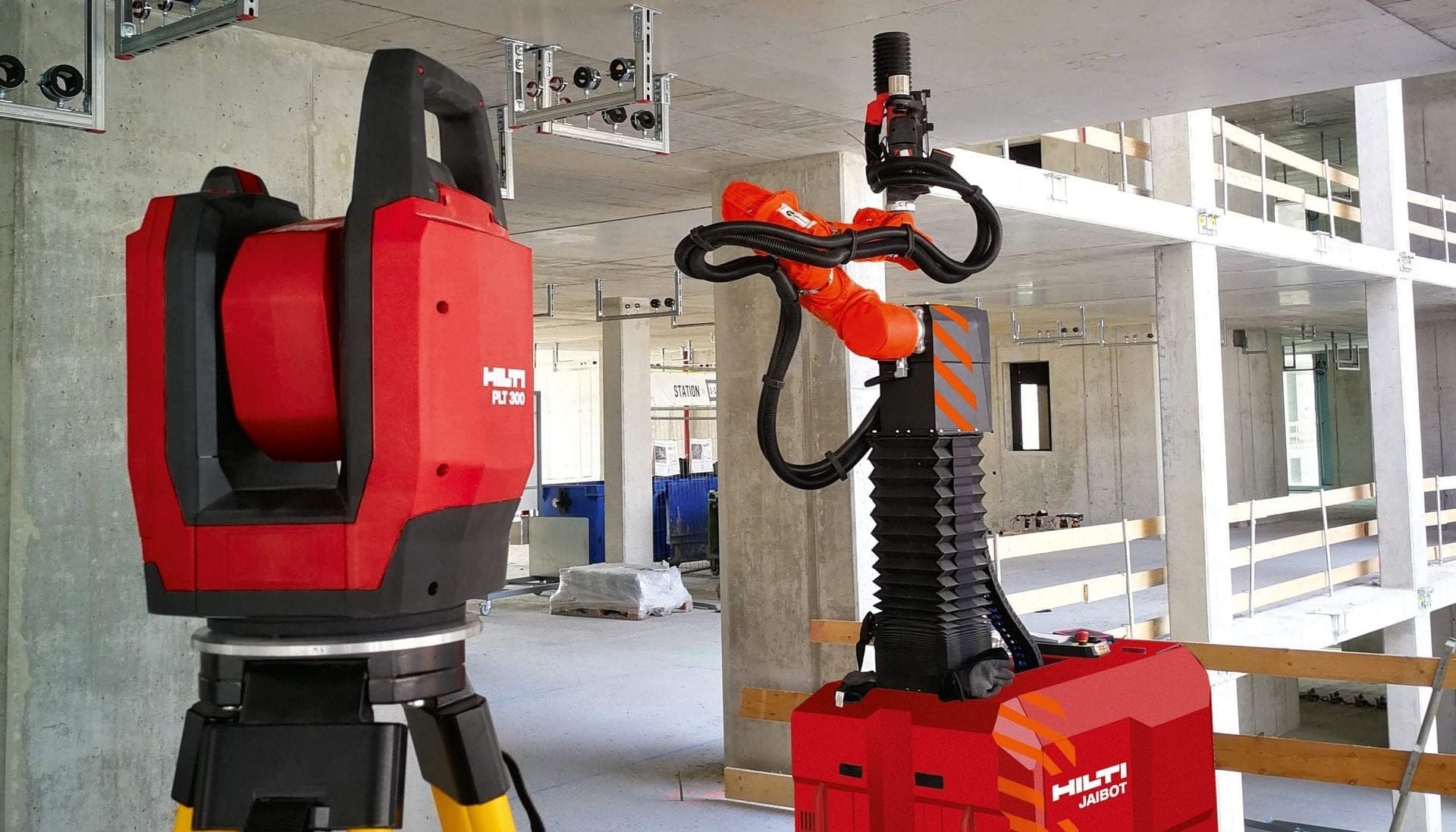
Let the robot do the overhead work.
Both turn digital instructions into repeated physical work. Drilling at a building site and laying fibre in a factory require different positioning, quality checks and human oversight.
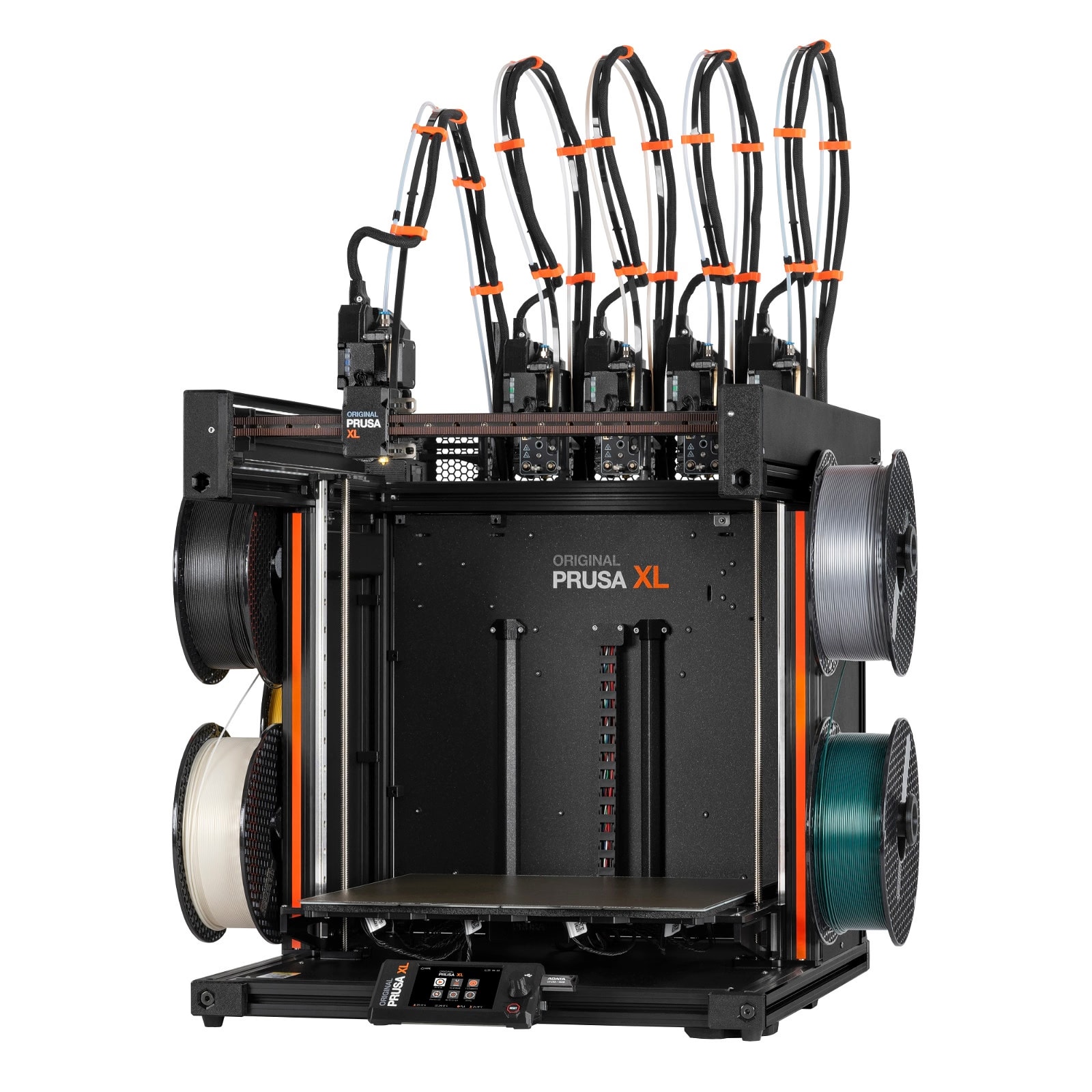
A different way to switch materials.
Both coordinate machines to place material where it is needed. Fibre orientation in a composite and separate toolheads in 3D printing solve different material and quality problems.