Record how a building can come apart before it is occupied.
A laboratory building is designed as a material bank: its parts can be separated, recorded and reused instead of becoming anonymous demolition waste.
 NL Netherlands
In practice. A completed office and laboratory building on Amsterdam Science Park, designed by MVRDV with component records and separable assemblies.
What to keep in view
A material passport does not guarantee that components will retain value or find a future user. Recovery depends on maintenance, standards and a functioning reuse market.
Reversibility begins with the joints
Matrix ONE is a six-storey office and laboratory building on Amsterdam Science Park whose structure, services and finishes were designed for disassembly. A digital material passport records components and their future reuse potential.
The project moves circularity from a recycling promise at end of life into connections, component choices and records made before occupation.
A record is only useful if it can be acted on
Our reading: laboratories usually combine short technical cycles with material-intensive construction. Matrix ONE tests whether the building can change without discarding the value already embedded in it.
Design for disassembly becomes consequential when structural grids, material passports, reversible connections and future reuse are specified together rather than added as an end-of-life promise.
Read next.
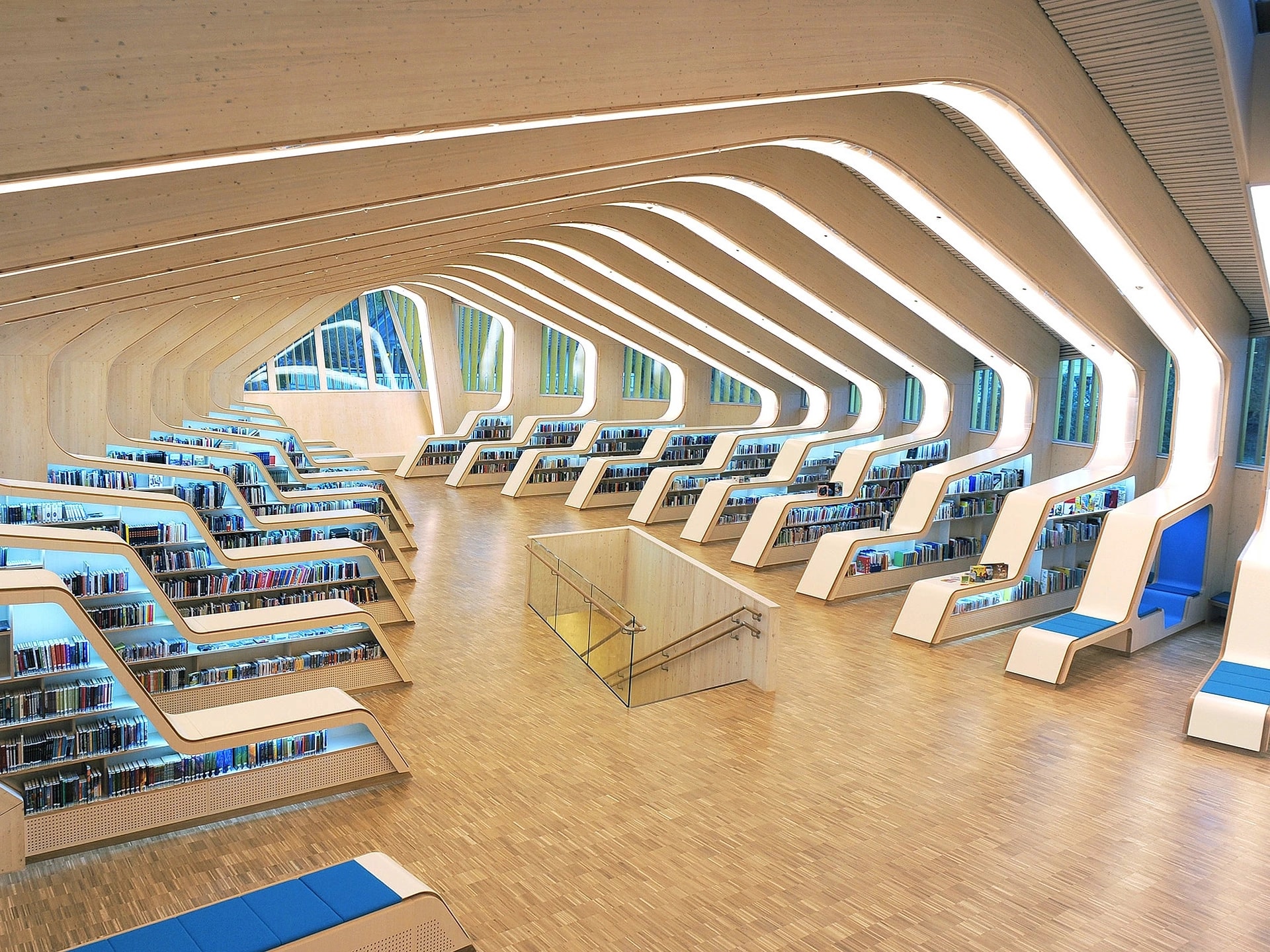
Shelves, seats and services in timber ribs.
Both coordinate building systems early. Vennesla combines roles in timber ribs; Matrix ONE emphasises components that can later separate.
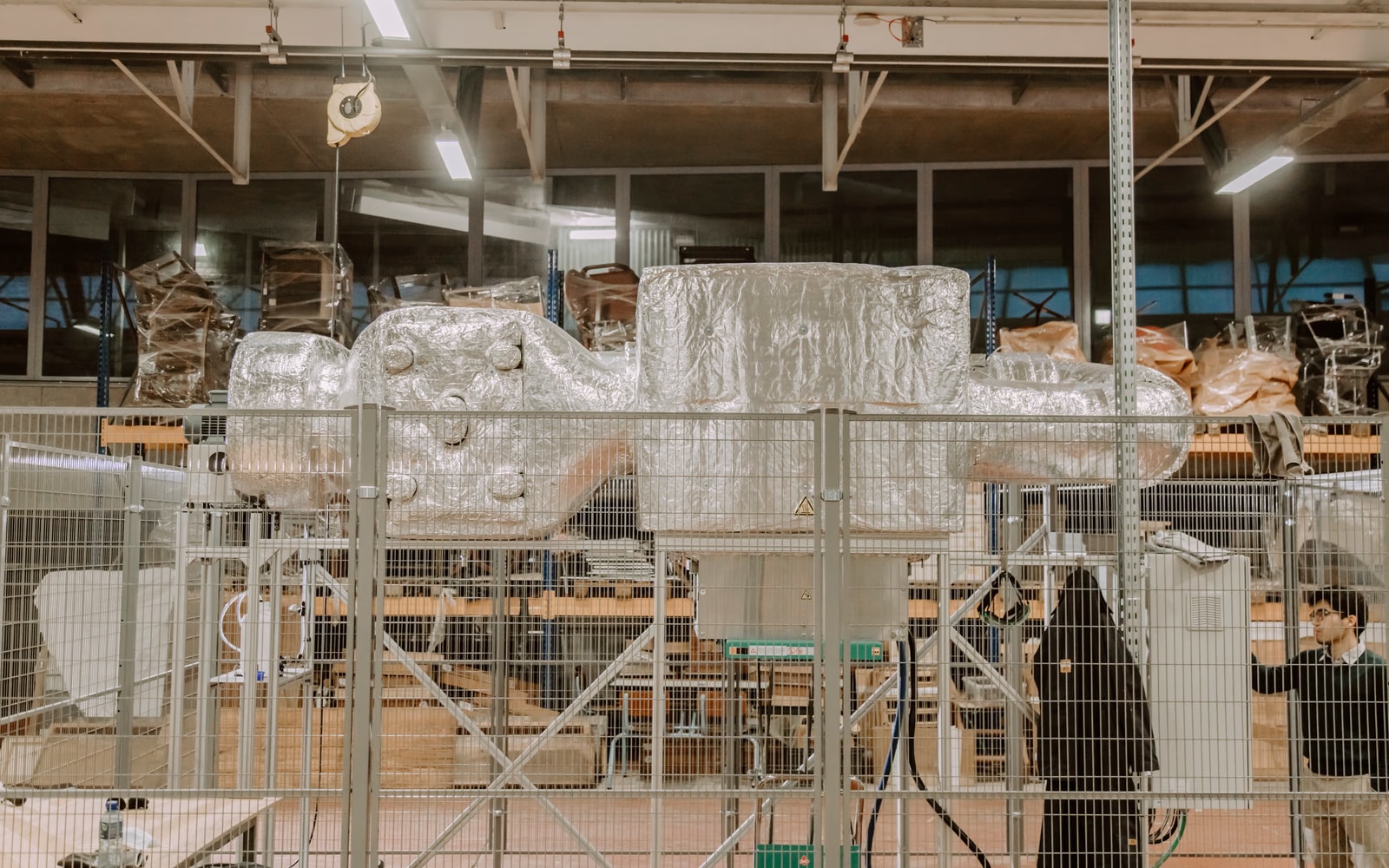
Design the seam to come apart.
Both make later separation a design decision made early. Building connections and dissolvable stitching work at very different scales.