Make an extreme instant repeatable.
The headline is ten petawatts. The deeper achievement is delivering carefully controlled pulses to experiments, then measuring what happens when light meets a target.
 RO Romania
In practice. At Măgurele, ELI-NP operates a laser system developed with Thales. The facility reported delivering 274 shots at its 10 PW output on 1 November 2024.
What to keep in view
The 10 PW figure is peak laser power, not continuous output. Prospective medical, energy and waste-treatment applications must not be confused with deployed services.
Compress the event, control the experiment
The system concentrates energy into exceptionally short pulses. Compressing the event produces the extreme peak power needed to explore how light interacts with matter under those conditions.
Delivering the pulse is only one step. Beam transport, targets, diagnostics and controlled experimental conditions let researchers investigate laser–matter interactions. The photograph shows preparation in the separate E4 experimental area, rather than the particular E6 campaign behind the reported record.
Judge the instrument by the work it enables
A record shot attracts attention; a research programme needs repeated, usable experiments. The facility’s reporting on delivered shots therefore says something different from a promotional maximum specification.
ELI-NP and Thales discuss possible longer-term applications in fields including energy and medicine. Those remain research directions, not proof that the laboratory already supplies fusion electricity or a new clinical treatment. The immediate contribution is an experimental capability that researchers can use.
Research-facility result · 1 November 2024 · reported January 2025
274 laser shots in one day
ELI-NP reports delivering 274 shots at 10-petawatt output to the E6 experimental area on 1 November 2024, using pulses of approximately 23 femtoseconds.
What this tells us. Petawatts describe peak pulse power, not continuous electrical production. This is experimental capability, not a commercial energy or medical outcome.
Read next.
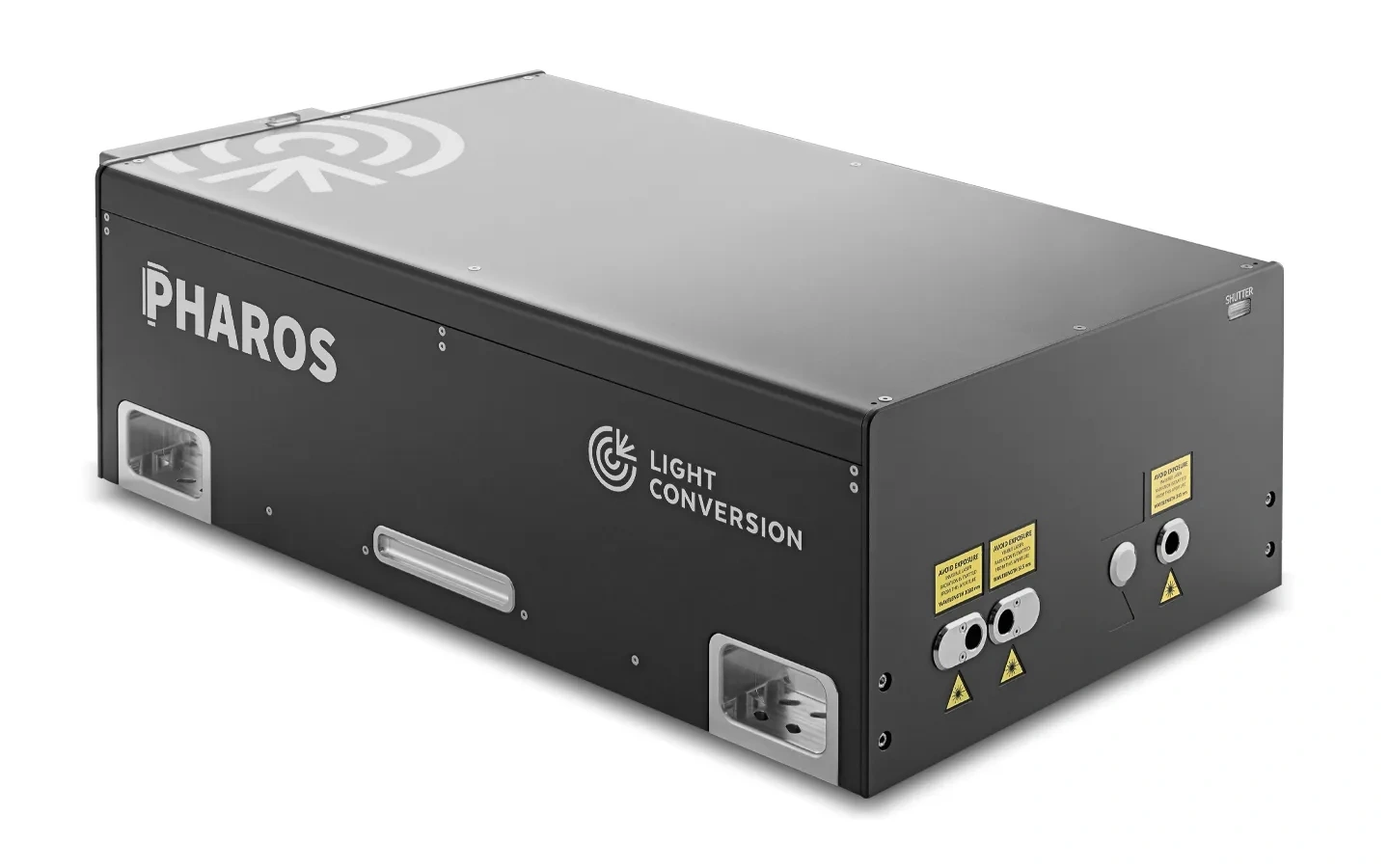
Laser pulses measured in femtoseconds.
Both make ultrashort light pulses useful to other researchers and engineers. Compare a specialised product family with a large experimental facility.
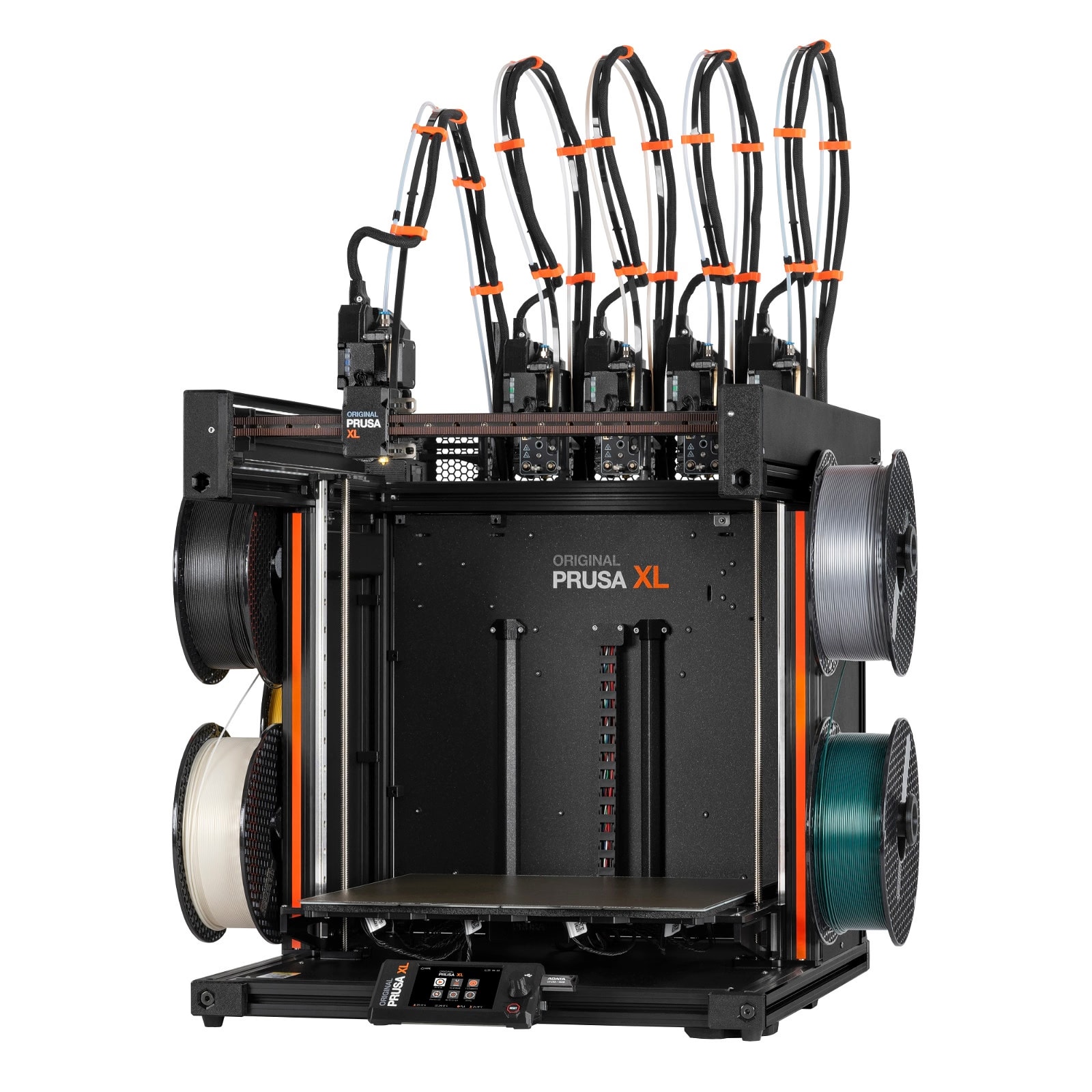
A different way to switch materials.
Both make a specialist instrument useful through controlled, repeatable operation. Compare a shared research facility with a fabrication tool designed around independent printheads.