Put sunlight to work after the harvest.
Fresh produce has a short window of usefulness. Eco Solar’s hybrid dryer uses warmed air to remove moisture, with an electric heater available when sunshine is insufficient.
 MK North Macedonia
In practice. A manufactured solar-drying system from Štip. UNECE documented its development, and the producer lists a hybrid dryer for agricultural products.
What to keep in view
This is a hybrid system with fans and electric backup, not energy-free drying. Source specifications differ between versions; we do not treat capacity or savings claims as independently measured performance.
Control the air, not just the temperature
Eco Solar builds solar dryers in Štip, North Macedonia. The process warms air, moves it past produce and exhausts the moisture it collects. Fans make the circulation active, while electric backup allows drying to continue when solar input falls. A UNECE case study documents development of an agricultural dryer with support from the national innovation fund.
The manufacturer’s product information describes temperature and humidity control and distinguishes the dryer from an optional photovoltaic electricity system. Solar thermal heat and solar electricity are not interchangeable parts of the specification. The enclosure and air path do the drying work together.
Match the machine to the crop
Our reading: processing close to a harvest can create another route for produce beyond immediate sale. The relevant question is how well the drying cycle fits a particular crop, batch size and available labour. A machine’s maximum capacity alone cannot answer that.
A useful trial would follow product quality, drying time, electricity use and cleaning between batches. That would allow a grower to compare the complete process with existing practice instead of assuming that the word “solar” guarantees a lower-impact result.
Read next.

A working greenhouse becomes the dining room.
Both make local energy conditions part of food production. Drying after harvest and growing tomatoes in a greenhouse address different points in the food system.
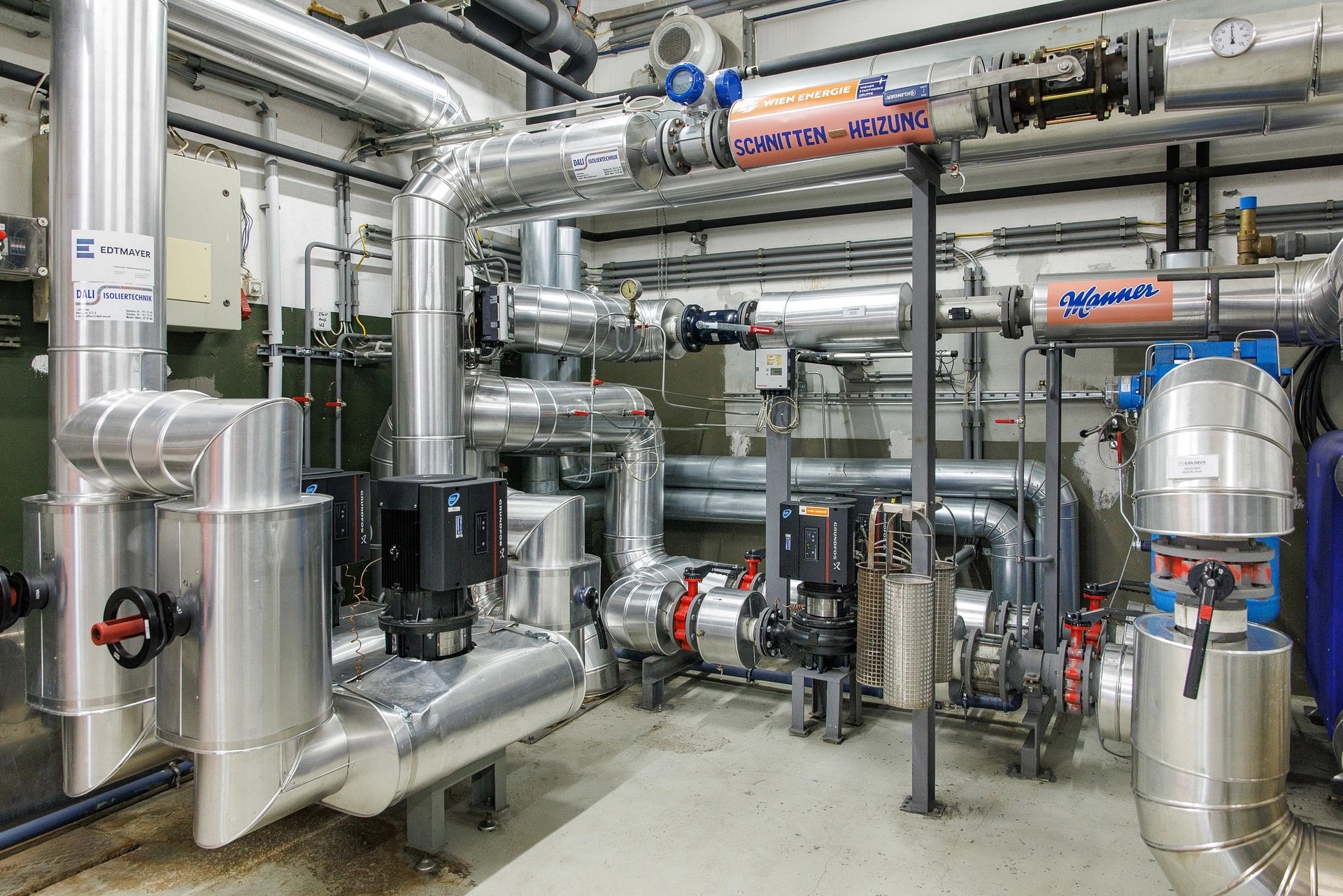
Baking heat, used twice.
Both treat heat as a resource that should have a useful job. A hybrid dryer supplies process heat, while a factory recovers heat for neighbouring buildings.