Finish the coffee. Eat the cup.
A cup usually reaches the end of its job when the drink is gone. Cupffee gives it a second part in the same coffee break.
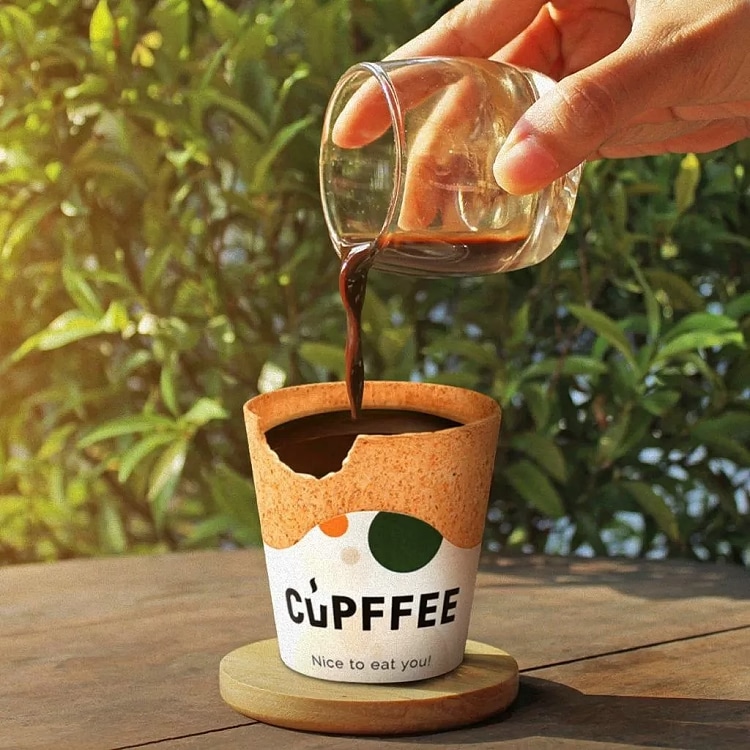
In practice. Edible cups are manufactured in Plovdiv. The airline example in this story is a documented 2019 trial.
What to keep in view
Edibility does not establish a lower environmental impact than a reusable cup. Ingredients, dietary suitability, outer packaging and actual consumption matter. The airline example refers to a 2019 trial.
Packaging becomes something to eat
Cupffee manufactures edible cups from grain-based ingredients. The company describes an industrial process in Plovdiv that includes mixing, forming, baking and packaging.
Etihad named Cupffee among the products selected for its April 2019 flight trial aimed at removing single-use plastics. That is a dated example of a service trying the product, rather than evidence of a continuing airline-wide rollout.
The ending of the experience changes
Our reading: the idea is memorable because it joins two familiar pleasures, coffee and a biscuit. The container becomes part of what the customer receives and may choose to consume.
The real outcome depends on the occasion. Ingredients need to be clear, handling needs to keep the cup clean, and the customer needs to want to eat it. An edible product that is routinely thrown away has not delivered the same result.
Read next.
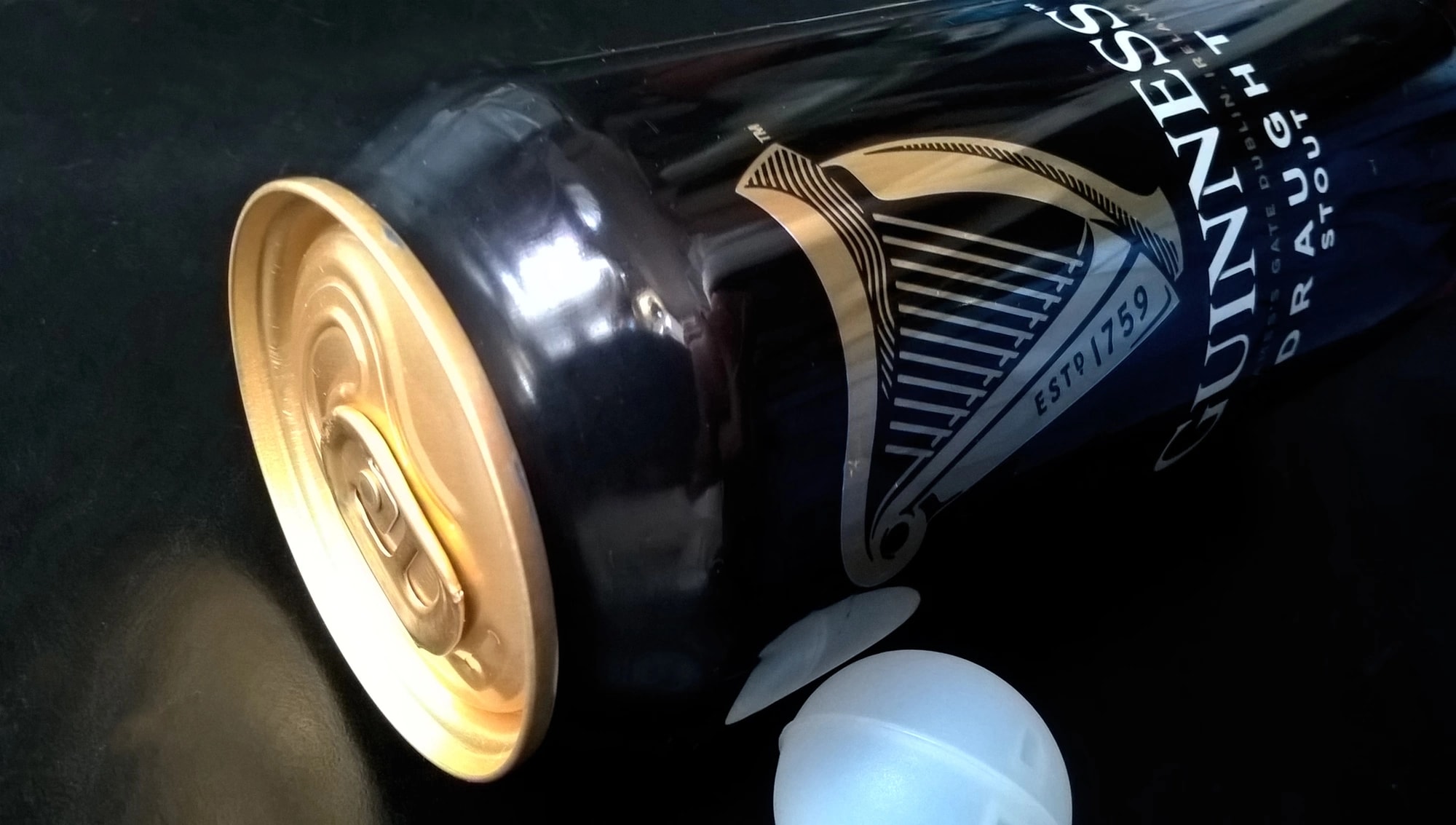
The hidden invention inside the can.
Both give a drink’s container another role. One helps prepare the sensory experience; the other changes what can happen to the vessel afterwards.
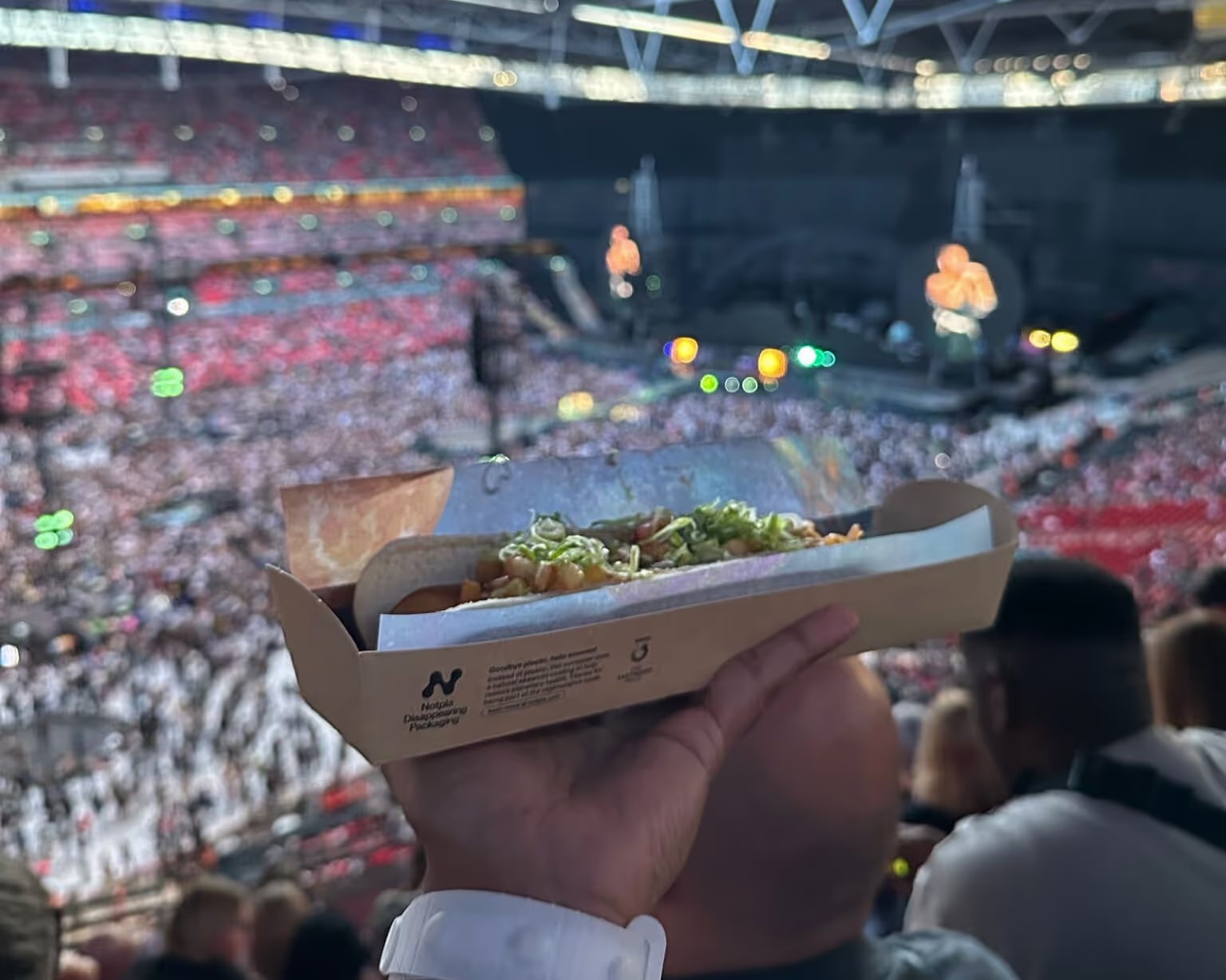
A new material. A real crowd.
Both reconsider the vessel left after a drink or meal. An edible cup and a seaweed-coated food box need different materials, hygiene conditions and disposal routes.